
Complete Guide to Egypt's Western Desert
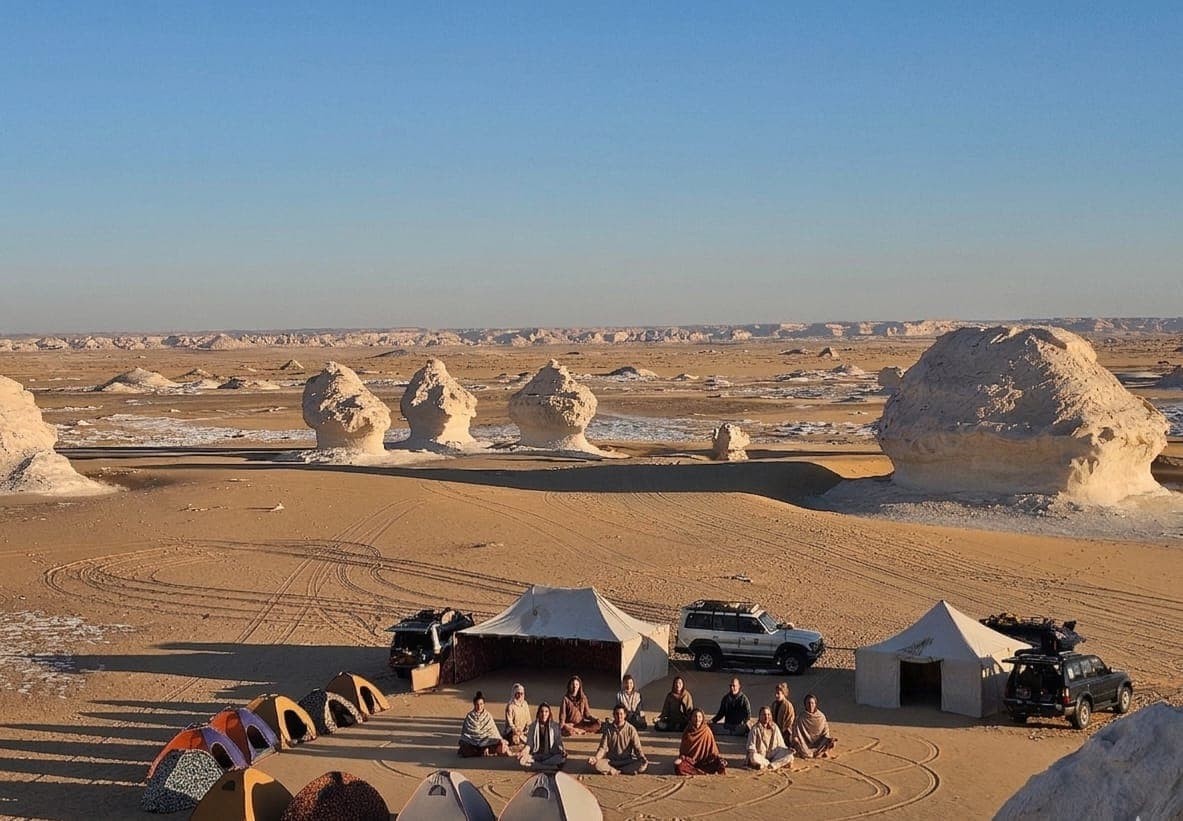
The Western Desert Egypt is one of the most remarkable and least explored landscapes on Earth. Covering two-thirds of Egypt's total land area, this vast Saharan wilderness stretches from the Nile Valley westward to the Libyan border, offering an extraordinary diversity of scenery — from the surreal chalk formations of the White Desert to the volcanic hills of the Black Desert, ancient oases, and prehistoric caves.
This comprehensive guide covers everything you need to know about visiting Egypt's Western Desert, whether you're planning a 2-day White Desert safari or an extended multi-day desert expedition.
Geography and Location
The Western Desert (also called the Libyan Desert within Egypt) spans approximately 680,000 square kilometres — roughly the size of Texas. It extends from the Mediterranean coast in the north to the Sudanese border in the south, and from the Nile Valley east to Libya in the west.
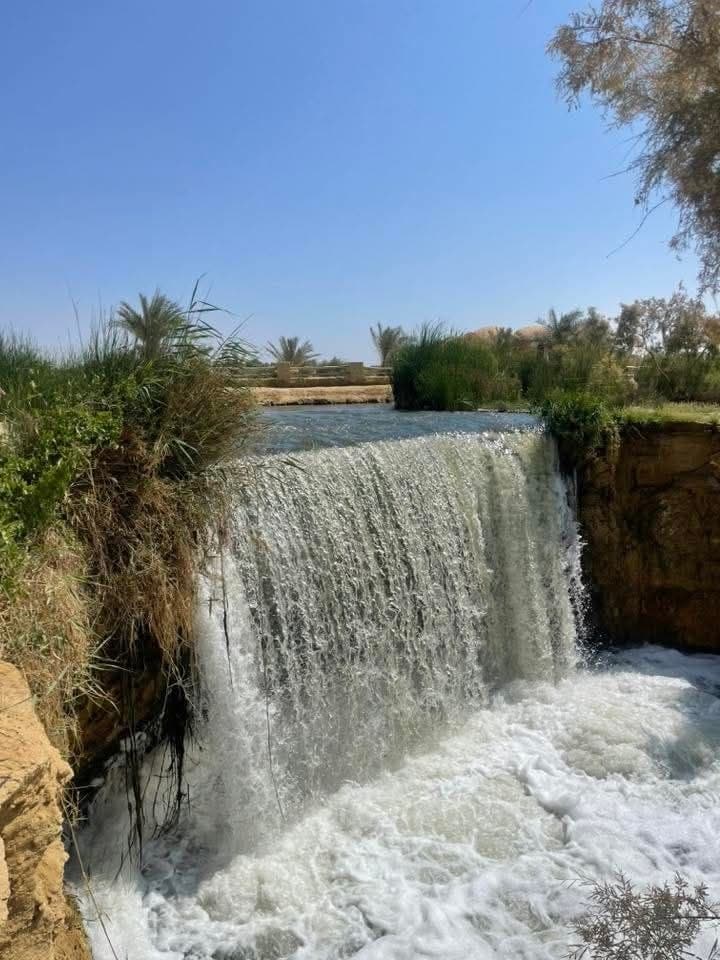
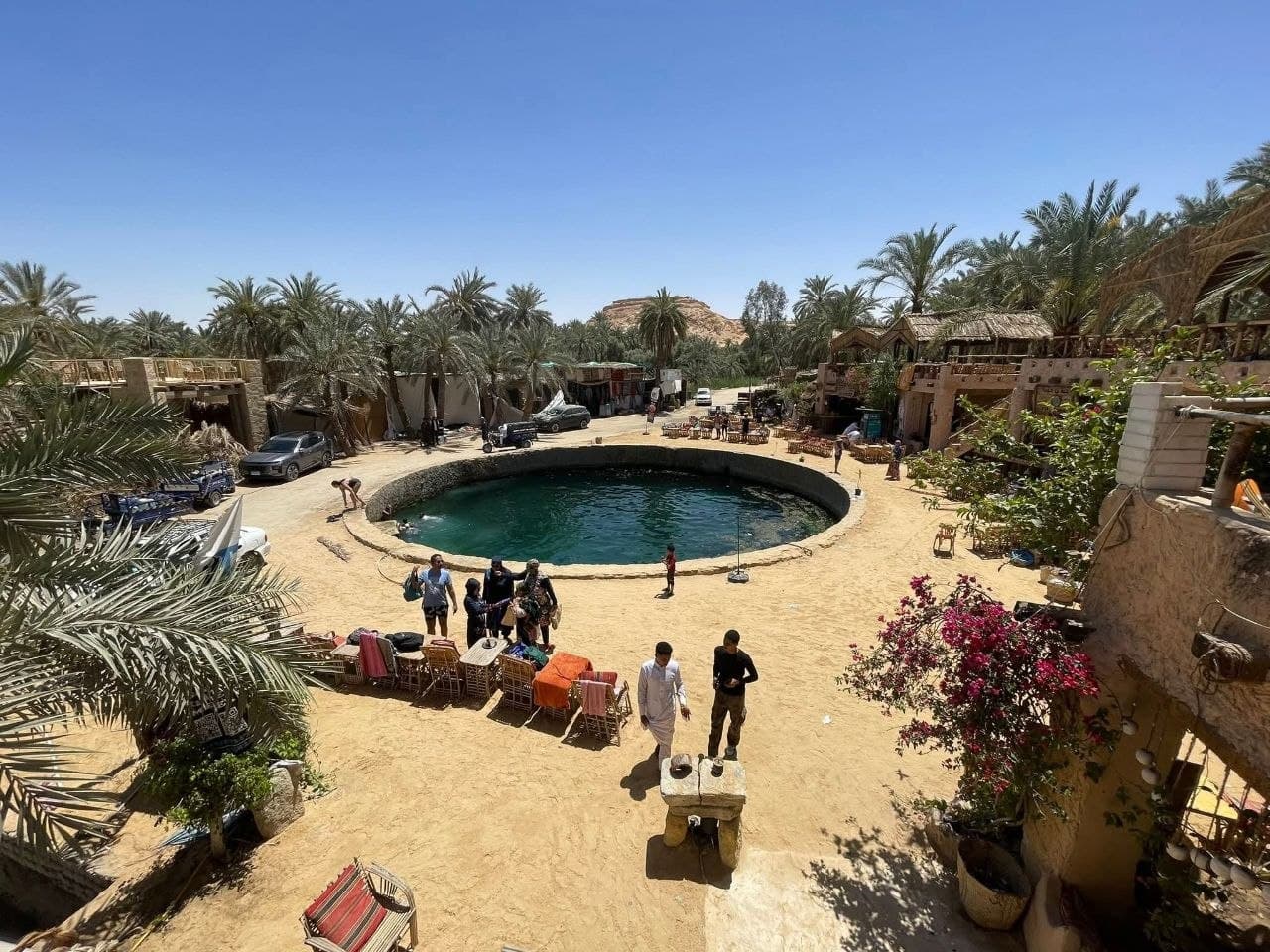
Despite its harsh appearance, the Western Desert is home to several oases — fertile depressions where underground water reaches the surface — that have supported human habitation for thousands of years. The most visited for tourism are Bahariya Oasis (gateway to the White and Black Deserts) and Siwa Oasis (near the Libyan border).
Key Destinations in the Western Desert
White Desert (Sahara el-Beyda)
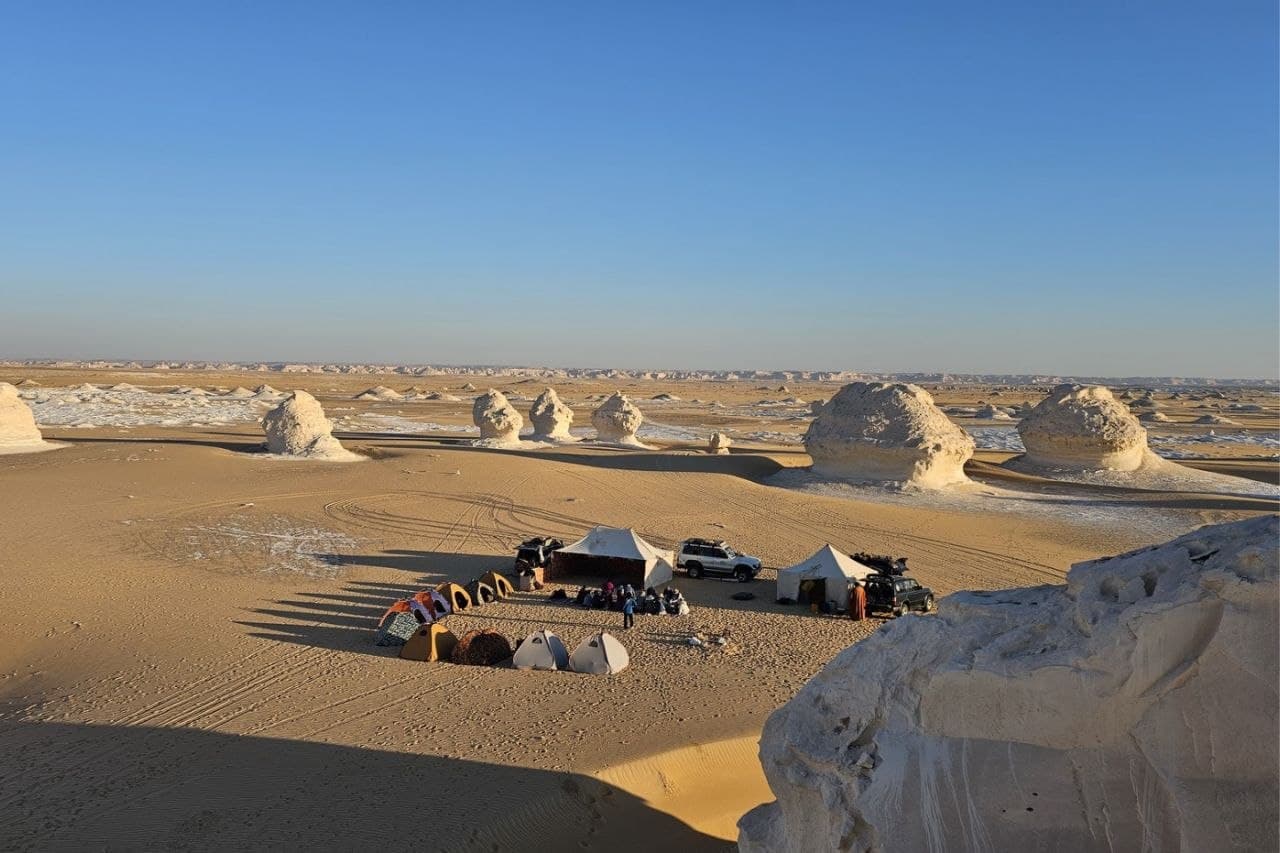
The White Desert is the crown jewel of Egypt's Western Desert. Its chalk-white rock formations — sculpted by wind erosion into mushroom shapes, pillars, and bizarre figures — create a landscape that feels like another planet. See our White Desert tour guide for full details.
Black Desert (Sahara el-Souda)
A dramatic volcanic landscape where dark dolerite stones cover hills and desert floor, creating a stark contrast with the surrounding golden sand. Read our Black Desert guide for more information.
Bahariya Oasis
The main gateway to the White and Black Deserts, Bahariya Oasis is a lush depression surrounded by desert. It features hot springs, the Valley of the Golden Mummies archaeological site, date palm groves, and a vibrant local market. Most desert safari tours begin and end here.
Siwa Oasis
Located near the Libyan border, Siwa is one of Egypt's most remote and culturally unique oases. Famous for its ancient Oracle Temple (visited by Alexander the Great), salt lakes, olive groves, and distinct Berber culture. Siwa is a destination in its own right, typically requiring a separate trip from the White Desert circuit.
Crystal Mountain
Crystal Mountain is a small quartz crystal ridge located between the Black Desert and White Desert that sparkles brilliantly in sunlight. A popular photo stop on White Desert tours.
Jara Cave
Jara Cave contains prehistoric Neolithic rock art dating back to 7,700 BC — one of the most significant archaeological sites in the Western Desert. Accessible only by 4x4 on multi-day tours.
Agabat Valley
A hidden valley within the White Desert featuring towering chalk formations and dramatic cliffs. Less visited than the main White Desert area, Agabat offers a more secluded and spectacular experience for those on extended tours.
Great Sand Sea
One of the largest sand dune fields in the world, stretching across the Egypt-Libya border. The Great Sand Sea features massive dunes reaching 100+ metres in height and is a destination for advanced desert expeditions and sandboarding.
How to Explore the Western Desert
The Western Desert can only be safely explored with experienced guides and 4x4 vehicles. There are no paved roads beyond Bahariya Oasis, and navigation requires GPS and local knowledge. Bedouin Trails offers tours ranging from 2-day safaris to extended multi-week expeditions.
By Duration
- 2-Day White Desert Tour — The most popular option. Cairo → Bahariya → Black Desert → Crystal Mountain → White Desert → Cairo.
- 3-Day Extended Safari — Adds Agabat Valley and more White Desert exploration with two nights of camping.
- 4-Day Desert Trek — Includes Jara Cave and deeper desert exploration.
- 5–7 Day Expedition — Comprehensive tour including camel trekking , Great Sand Sea, and remote desert areas.
- 10+ Day Grand Western Desert Tour — The ultimate experience covering Bahariya, White Desert, Black Desert, Jara Cave, Siwa Oasis, and the Great Sand Sea.
By Activity
- Desert Safari (4x4) — The classic way to explore, covering maximum ground with comfort.
- Camel Trekking — The most authentic desert experience — travel at the pace of a camel through pristine landscapes.
- Sandboarding — Ride the dunes in the Great Sand Sea or smaller sand formations near the White Desert.
- Desert Yoga & Meditation — Wellness retreats combining yoga, meditation, and desert camping.
- Stargazing — The Western Desert has some of the darkest skies on Earth — perfect for astrophotography and naked-eye stargazing.
Climate and Weather
The Western Desert has an extreme arid climate. Summer temperatures (June–August) can exceed 45°C during the day. Winter days (December–February) are pleasant at 18–25°C but nights can drop near freezing. The best time to visit is October through April. Rain is extremely rare — most areas receive less than 5mm annually.
The Western Desert is not just sand — it is an open-air geological museum showcasing millions of years of Earth's history through its rock formations, fossils, volcanic landscapes, and ancient cave art.
History and Archaeology
The Western Desert has been inhabited for at least 10,000 years. During the Neolithic period (when the Sahara was green), nomadic peoples hunted, farmed, and created rock art in caves like Jara. The ancient Egyptians established trade routes through the desert, and the oases served as critical waypoints.
In modern history, the Western Desert was the site of major World War II battles (El Alamein) and continues to yield archaeological discoveries including the famous Valley of the Golden Mummies in Bahariya Oasis.
Wildlife
Despite its harsh conditions, the Western Desert supports a surprising variety of wildlife. Desert foxes (fennec foxes), gazelles, desert hares, various lizard species, eagles, and falcons can be spotted. The oases support migratory birds and unique freshwater ecosystems.
Practical Information
Getting There
The main access point is Cairo, from which Bahariya Oasis is approximately 4 hours by car on a paved highway. Siwa Oasis is reached from Marsa Matruh on the Mediterranean coast (approximately 4 hours). There is no reliable public transport to the desert interior — 4x4 guided tours are essential.
What to Bring
Essential items include sun protection, warm layers for nights, sturdy footwear, and a headscarf for wind. See our complete packing guide for desert trips.
Permits
Travel beyond Bahariya Oasis requires desert permits, which Bedouin Trails arranges as part of all tour packages. Some areas near the Libyan border have additional restrictions.
Safety
The Western Desert is safe for tourists when travelling with experienced guides. Never attempt to explore off-road areas independently. Read our desert safety guide for detailed tips.
Plan Your Western Desert Trip
Use these detailed guides to plan every aspect of your Western Desert adventure:
- Best Time to Visit the White Desert — Monthly Weather Guide
- How to Get to the White Desert from Cairo
- White Desert Tour Cost — Pricing & Budget Guide
- Stargazing in the Western Desert
- White Desert vs Wadi Rum — Which Desert to Visit?
- Egypt Desert Tour — Complete Guide
- Sahara Hiking in Egypt
- Multi-Day Desert Trek Guide
Ready to explore Egypt's Western Desert?
Browse All Desert Tours