
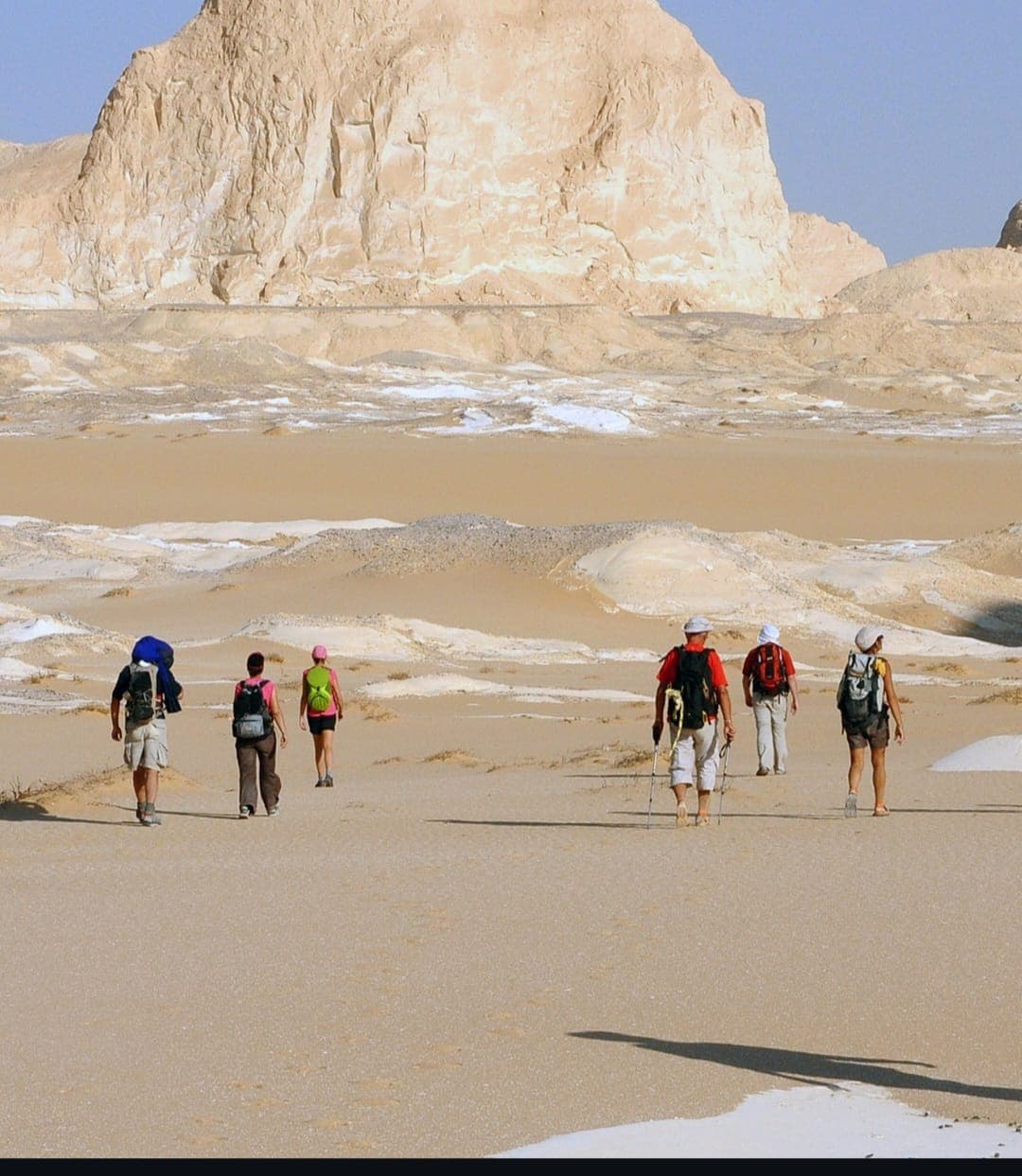
Desert Trekking Egypt — Your Complete Hiking & Trekking Guide
Desert trekking Egypt is one of the most rewarding outdoor experiences in North Africa. From walking among the surreal chalk formations of the White Desert to climbing the volcanic hills of the Black Desert, Egypt's Western Desert offers hiking and trekking opportunities unlike anywhere else on Earth. Whether you're looking for a guided day hike or a multi-day Sahara hiking tour, this guide covers everything you need to know about desert trekking in Egypt.
Why Choose Desert Trekking Egypt?
Desert trekking in Egypt offers something no gym or mountain trail can replicate. You walk through landscapes that have remained unchanged for millennia — endless sand seas, chalk-white rock formations, volcanic black hills, and crystal-studded mountains. The silence is absolute. At night, you camp under some of the darkest skies on Earth with the Milky Way stretching overhead. And throughout the trek, experienced Bedouin guides share their deep knowledge of desert navigation, survival, and culture — a living tradition passed down for generations.
Best Desert Trekking Egypt Routes
White Desert Trek (2 Days)
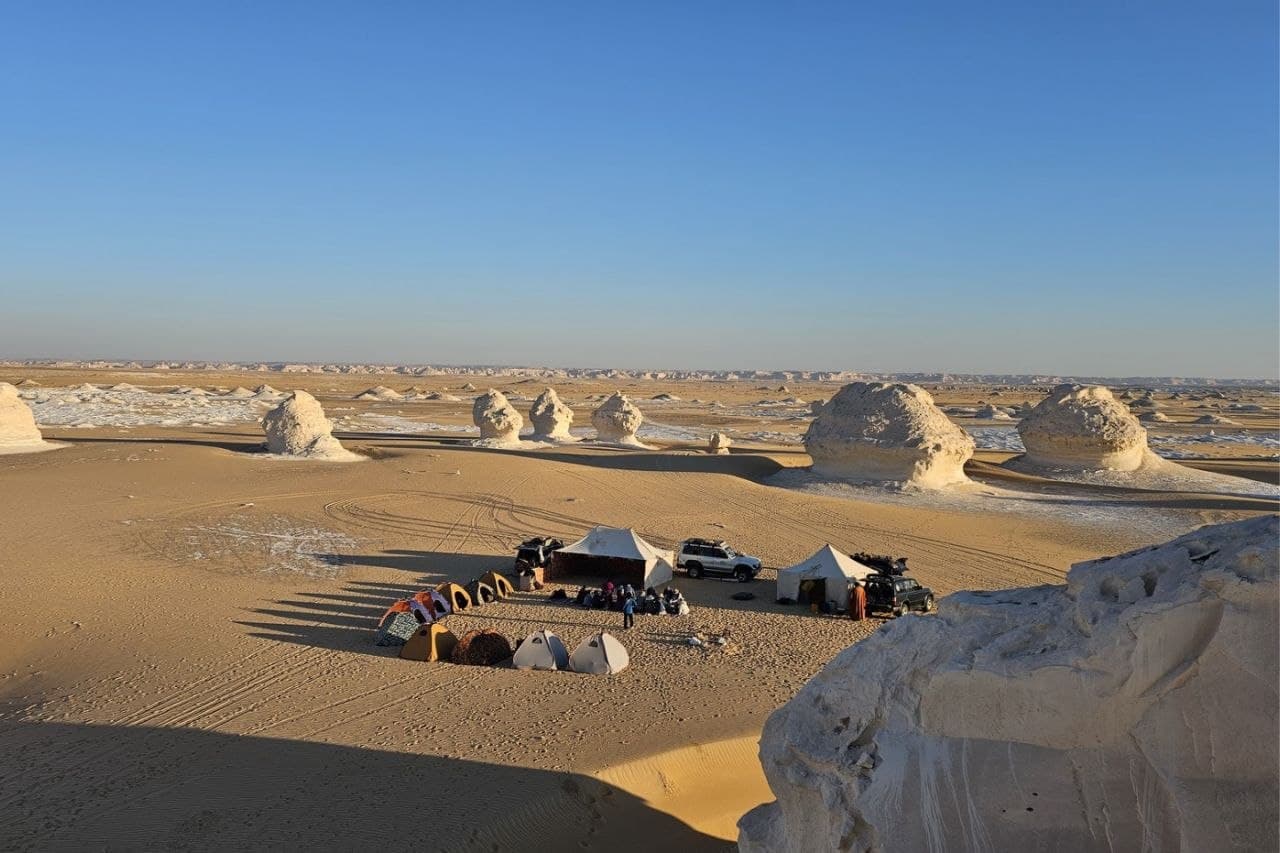
The most popular desert trekking Egypt route. Drive from Cairo to Bahariya Oasis, then trek through the Black Desert and into the White Desert. Camp overnight among the iconic chalk formations and trek back the next morning. Moderate difficulty, approximately 12-15 km of walking total. Suitable for most fitness levels.
Extended Western Desert Trek (4-5 Days)
A deeper desert trekking Egypt expedition combining hiking with 4x4 segments through multiple landscapes — Bahariya Oasis, Black Desert, Crystal Mountain, White Desert, and Jara Cave. Includes 3-4 nights of wild camping with more extensive trekking portions each day. Moderate to challenging difficulty.
Great Sand Sea Expedition (7+ Days)
The ultimate Sahara hiking tour for experienced trekkers. Cross the Great Sand Sea with camel support, visiting Siwa Oasis, Jara Cave, and remote desert formations that few travelers ever see. This is a physically demanding expedition requiring good fitness and desert experience. A truly life-changing adventure.
Best Time for Desert Trekking Egypt
The ideal season for desert trekking Egypt is October to April. Daytime temperatures during this period range from 20-30°C — perfect for walking. Nights can drop to 5-10°C, so warm layers are essential. Avoid trekking from May to September when temperatures regularly exceed 45°C. The best months are November, December, February, and March — warm days, cool nights, and clear skies.
Fitness & Difficulty Levels
Desert trekking Egypt ranges from easy walks to challenging multi-day expeditions. The standard 2-day White Desert trek involves 12-15 km of walking on mostly flat terrain — suitable for anyone with basic fitness. Longer treks (4-7 days) require better stamina as you'll walk 10-20 km per day over varied terrain including sand, rocky ground, and gentle hills. No technical climbing is required. Bedouin Trails assesses each group's fitness level and adjusts the pace accordingly.
What's Included in Our Desert Treks
- 4x4 transport from Cairo or Giza to the trekking start point and back
- Experienced Bedouin guide throughout the trek
- All camping equipment — tents, sleeping bags, mattresses
- All meals and unlimited water during the trek
- National park entry fees and permits
- Emergency satellite communication equipment
What to Expect: A Typical Desert Trek Day
Desert trekking in Egypt has a natural rhythm shaped by the sun. Days start early — before sunrise — to take advantage of cool temperatures. The first trekking session runs from dawn until around 10 am, covering 6–8 km. After a mid-morning rest with hot tea and snacks prepared by your Bedouin guide, a second session carries you to the campsite. Afternoons are for rest, exploration of nearby formations, and watching the desert light shift from gold to amber. Evenings bring star-filled skies, a fire-cooked dinner, and the extraordinary silence of the open Sahara.
Packing List for Desert Trekking Egypt
Packing correctly is essential for desert trekking in Egypt. The desert environment demands gear for extreme heat during the day and near-freezing temperatures at night, particularly from November to February.
- Hiking boots or trail shoes with ankle support
- Lightweight long-sleeve shirts (sun protection)
- Warm fleece or down jacket for cold desert nights
- Wide-brim hat and UV-protection sunglasses
- High-SPF sunscreen and lip balm
- Personal medications and basic first aid
- Headlamp with spare batteries
- Reusable water bottle (we supply all water on the trek)
Egypt Desert Trekking vs Mountain Trekking
Desert trekking in Egypt is fundamentally different from mountain trekking. There are no technical climbs, fixed ropes, or altitude concerns. Instead, the challenge is navigating by landmarks across open terrain, managing heat and hydration, and building the mental endurance to walk in profound stillness. The reward is unmatched: you move through landscapes that feel ancient and untouched — chalk formations, volcanic fields, and wind-sculpted dunes that have looked the same for thousands of years. Egypt trekking is accessible to most fitness levels and does not require previous trekking experience.
Explore related guides: White Desert Hiking Expedition, White Desert Egypt, Camel Trek Egypt, Multi-Day Desert Trek, White Desert Camping.
Frequently Asked Questions
Is desert trekking Egypt safe?
Yes — all our desert treks are led by experienced Bedouin guides who have navigated the Western Desert for generations. We carry emergency equipment, satellite phones, and first aid supplies. We never trek in extreme heat conditions.
Do I need hiking experience for desert trekking Egypt?
No previous desert experience is required for our standard 2-day treks. Basic fitness is sufficient — you should be comfortable walking 10-15 km on flat terrain. Multi-day expeditions require better stamina. We adjust the pace to match your group's ability.
What should I wear for desert trekking Egypt?
Wear comfortable, breathable hiking clothes with sun protection — long sleeves, a hat, and sunglasses. Sturdy walking shoes or hiking boots are essential. Bring warm layers for cold desert nights. Avoid sandals and cotton socks.
Can I combine desert trekking with camel riding?
Absolutely! Many of our longer treks include camel support — the camels carry your gear while you walk, or you can ride when you need a rest. Our 5-7 day Sahara expeditions combine trekking and camel riding for the ultimate desert experience.
How many kilometres do we walk per day on a desert trek?
On a standard 2-day desert trek, you walk approximately 12–18 km per day across flat to gently undulating terrain. On multi-day expeditions, daily distances range from 8 to 22 km depending on the route and pace. Your Bedouin guide adjusts the pace to the group's ability.
Is there mobile phone signal in the Western Desert?
Mobile coverage is limited or non-existent once you leave Bahariya Oasis. We carry satellite communication equipment on all desert treks for emergencies. We recommend downloading offline maps before departure.
Can children join a desert trek in Egypt?
Children aged 10 and above can join our standard 2-day treks with parental accompaniment. We assess each group individually and can adapt the route for younger participants. The 4x4 vehicle follows close to the trekking route so participants can rest if needed.
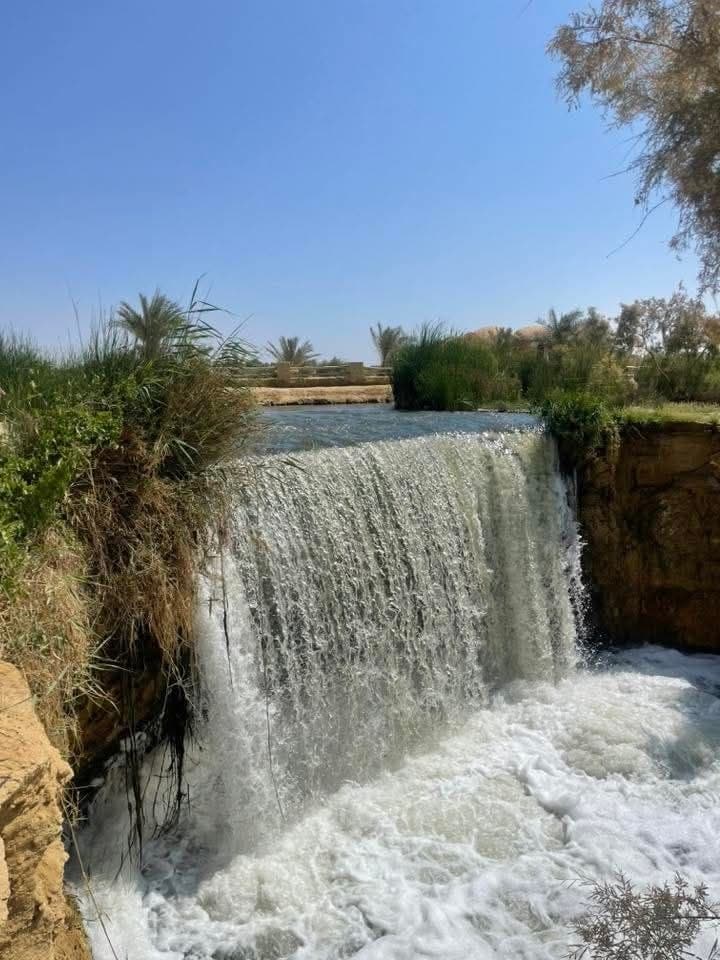
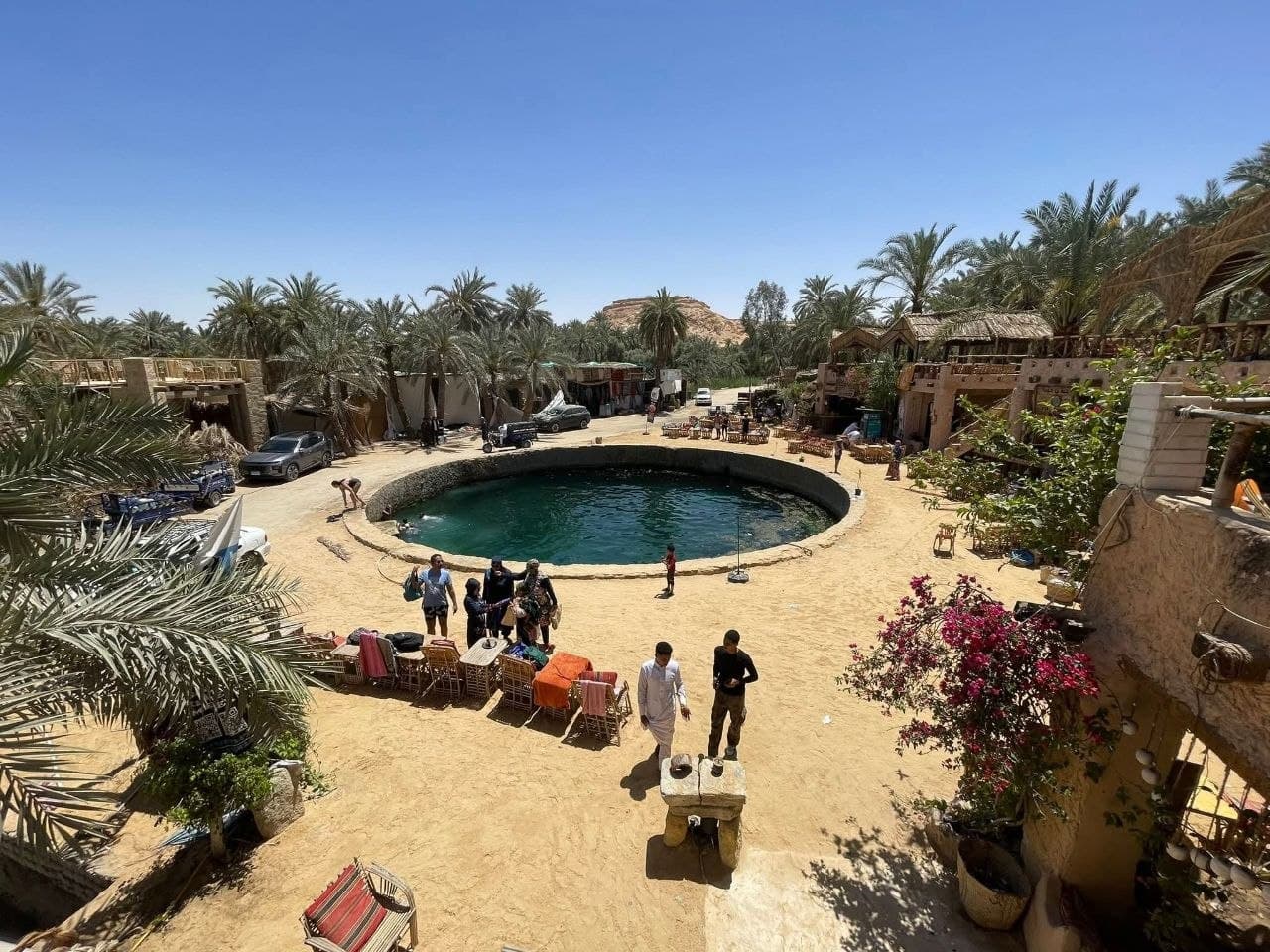
Ready to explore Egypt's deserts on foot? Browse our desert trekking tours and start your adventure.
View Desert Treks