Siwa Oasis Travel Guide: Temples, Springs, Salt Lakes & Amazigh Culture (2026)
At the far western edge of Egypt, closer to Libya than to Cairo, lies one of the most quietly extraordinary places in North Africa: Siwa Oasis.
It is the most isolated of all Egypt's oases, the most culturally distinct, and arguably the most beautiful. Where the rest of Egypt speaks Arabic, Siwa speaks Siwi, a Berber (Amazigh) language unrelated to Arabic. And where Alexander the Great conquered the rest of Egypt as a passing episode, Siwa is the place he rode 800 km across the desert to reach, consulting its oracle and being declared, according to legend, a god.
Today, Siwa is a peaceful town of around 30,000 people, surrounded by ancient ruins, hundreds of freshwater springs, vast salt lakes that blush pale pink at sunset, and dense date palm groves that swallow sound. Tourism is gentle here. No mega-resorts, no tour buses. The pace is slow, the food is fresh, and the Amazigh culture is alive in a way that catches first-time visitors off guard.
If you have already done the White Desert and want something entirely different, or if you want a single trip that holds everything remarkable about Egypt's Western Desert, Siwa is the answer. Here is the complete guide.
Where is Siwa Oasis?
Siwa Oasis sits in a deep depression in Egypt's Western Desert, roughly 50 km east of the Libyan border and about 750 km west of Cairo. It lies about 18 meters below sea level; geologically, it is an ancient evaporated seabed, and the depression stretches roughly 80 km long by 20 km wide.
Siwa is the most remote of the Western Desert oases: from the nearest neighboring oasis (Bahariya), it is roughly 420 km of pure desert driving with very limited facilities along the way. From Cairo, it takes about 9–10 hours via the direct Mediterranean coastal route (most travelers take this route via Marsa Matrouh rather than the rougher direct desert road).
Despite the distance, Siwa is deeply rewarding. Once you arrive, you step into a world distinct from anywhere else in Egypt: the architecture, the food, the language, and the rhythm of life are all unique.
Bedouin Trails Tip: Plan for at least 3 nights in Siwa, ideally 4 or 5. The oasis is too rich and too distant to rush. Many of our guests plan for two nights and end up wishing they had stayed longer. Give yourself time.
How to Get to Siwa Oasis
- Option 1: Via the North Coast (Most Common): The most popular and comfortable route. Drive or take private transport from Cairo along the Cairo–Alexandria desert highway, head west along the Mediterranean coast through Marsa Matrouh, and then turn south through the desert to Siwa. Total driving time is around 10 hours including stops (Distance: 750 km). Bedouin Trails offers comfortable private 4x4 transfers with experienced desert drivers from Cairo, Alexandria, or Marsa Matrouh.
- Option 2: Public Bus from Cairo: West Delta Bus Company operates daily overnight and daytime buses from Al-Torgoman Station in Cairo to Siwa. The journey takes 10–12 hours and costs around $10–$15 per person. It is reliable but basic.
- Option 3: Fly to Marsa Matrouh, Then Drive South: Marsa Matrouh has a small regional airport with limited domestic flights from Cairo. From Matrouh, Siwa is a 3.5 to 4-hour drive south.
- Option 4: Combined Western Desert Expedition: For travelers with more time, combining Siwa with Bahariya and the White Desert creates an unforgettable 7–10 day overland adventure, avoiding backtracking to Cairo. Contact us to design a custom itinerary.
Top Things to See & Do in Siwa
1. Temple of the Oracle (Aghurmi)
The most historically famous site in Siwa. Here, in 331 BC, Alexander the Great consulted the Oracle of Amun and was declared the son of the god—a moment that profoundly shaped his legacy. Perched on a rock outcrop overlooking palm groves and salt lakes, the ruins offer unmatched panoramic sunset views.
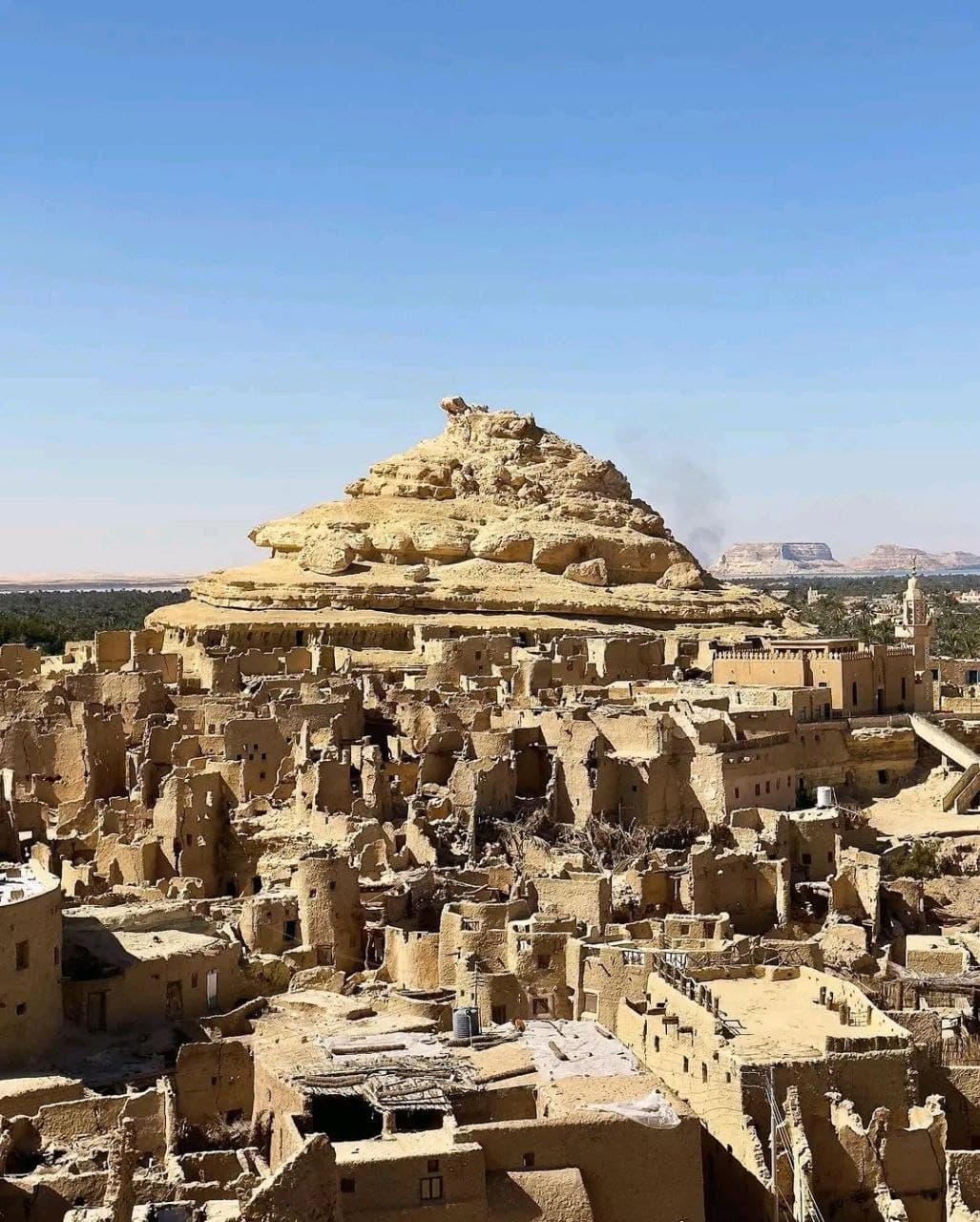
2. Shali Fortress
The medieval mud-brick citadel dominating central Siwa Town. Built in the 13th century from kersheef (a unique local mix of salt, mud, and clay), it stood until a torrential three-day rainstorm in 1926 dissolved much of the upper structures. Today, it is an evocative labyrinth of pathways and vantage points.
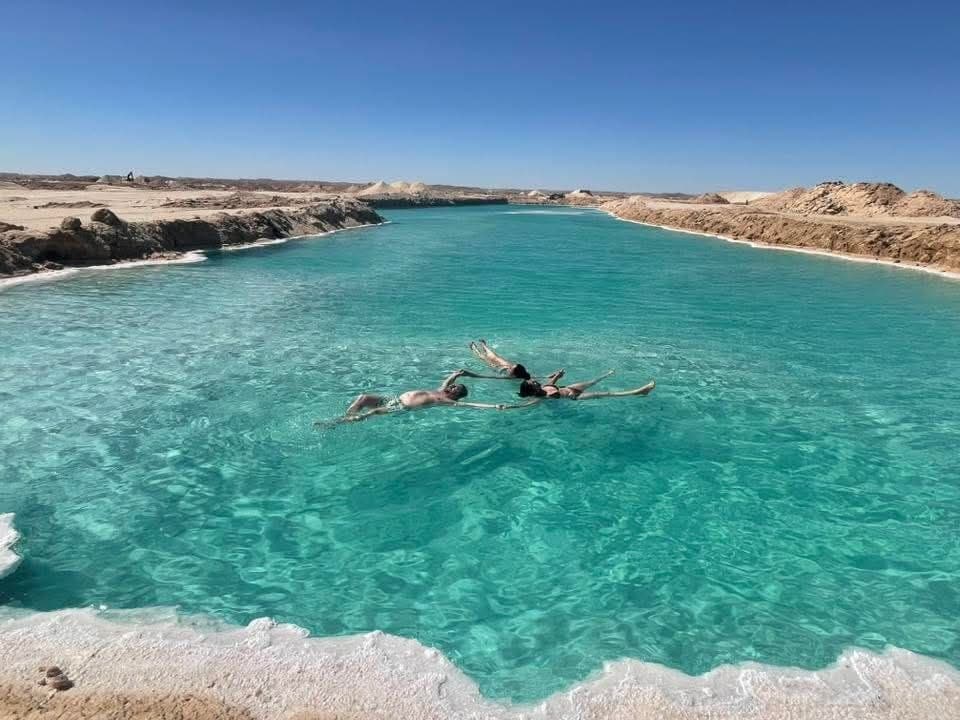
3. The Salt Lakes & Salt Pools
Siwa’s hypersaline lakes are among Egypt’s most breathtaking natural wonders. Encrusted with brilliant white salt crystals, the water glows pale pink and emerald blue. Due to the extreme mineral density, you float effortlessly on the surface just like in the Dead Sea. Bring fresh water to rinse off afterward!
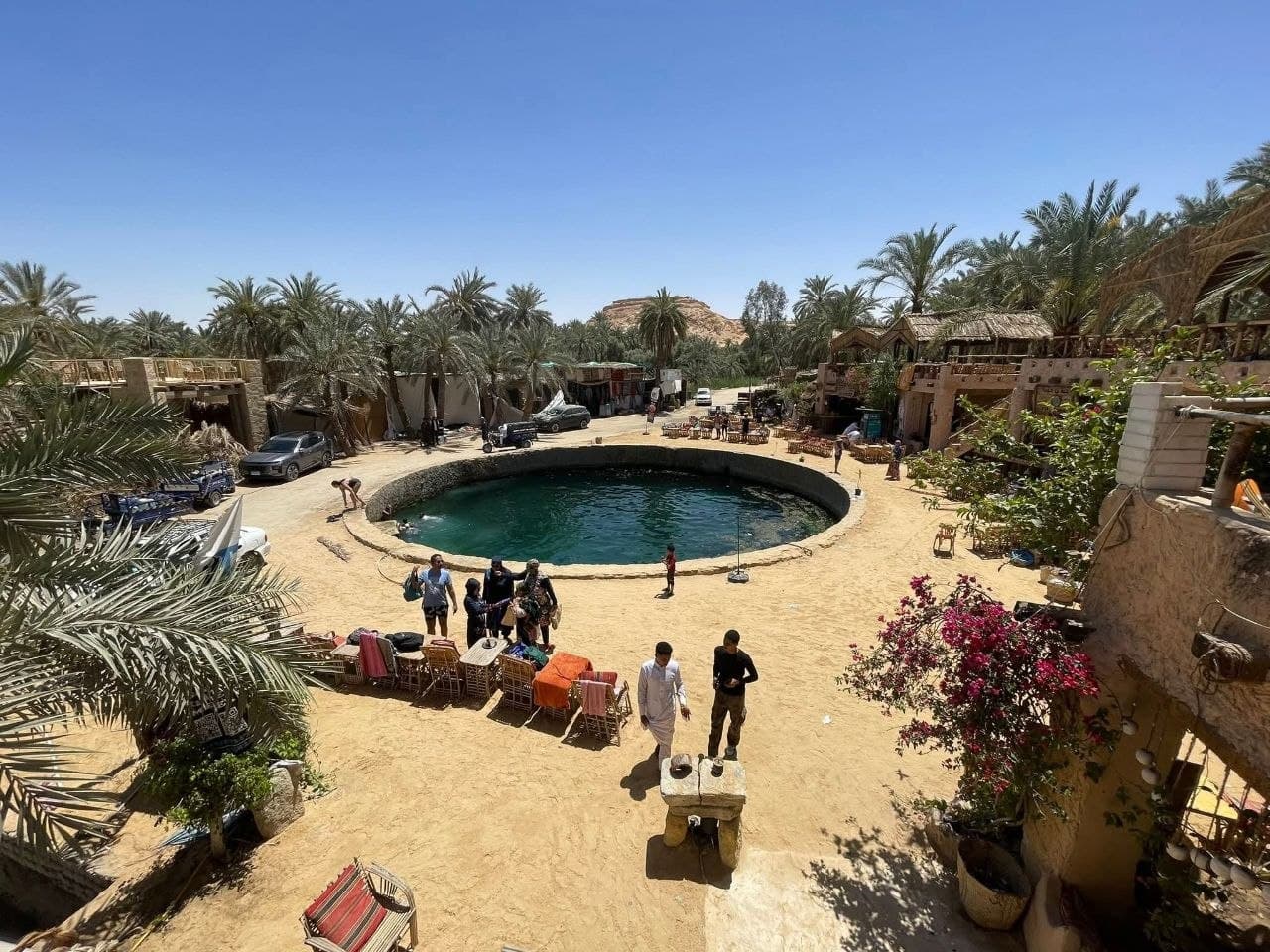
4. Cleopatra's Spring (Ein Guba)
A celebrated natural spring-fed stone pool where legend says Queen Cleopatra once bathed. Surrounded by date palms and shade-dappled cafés, it is a quintessential spot to relax and take a cool dip. Modest swimwear is recommended.
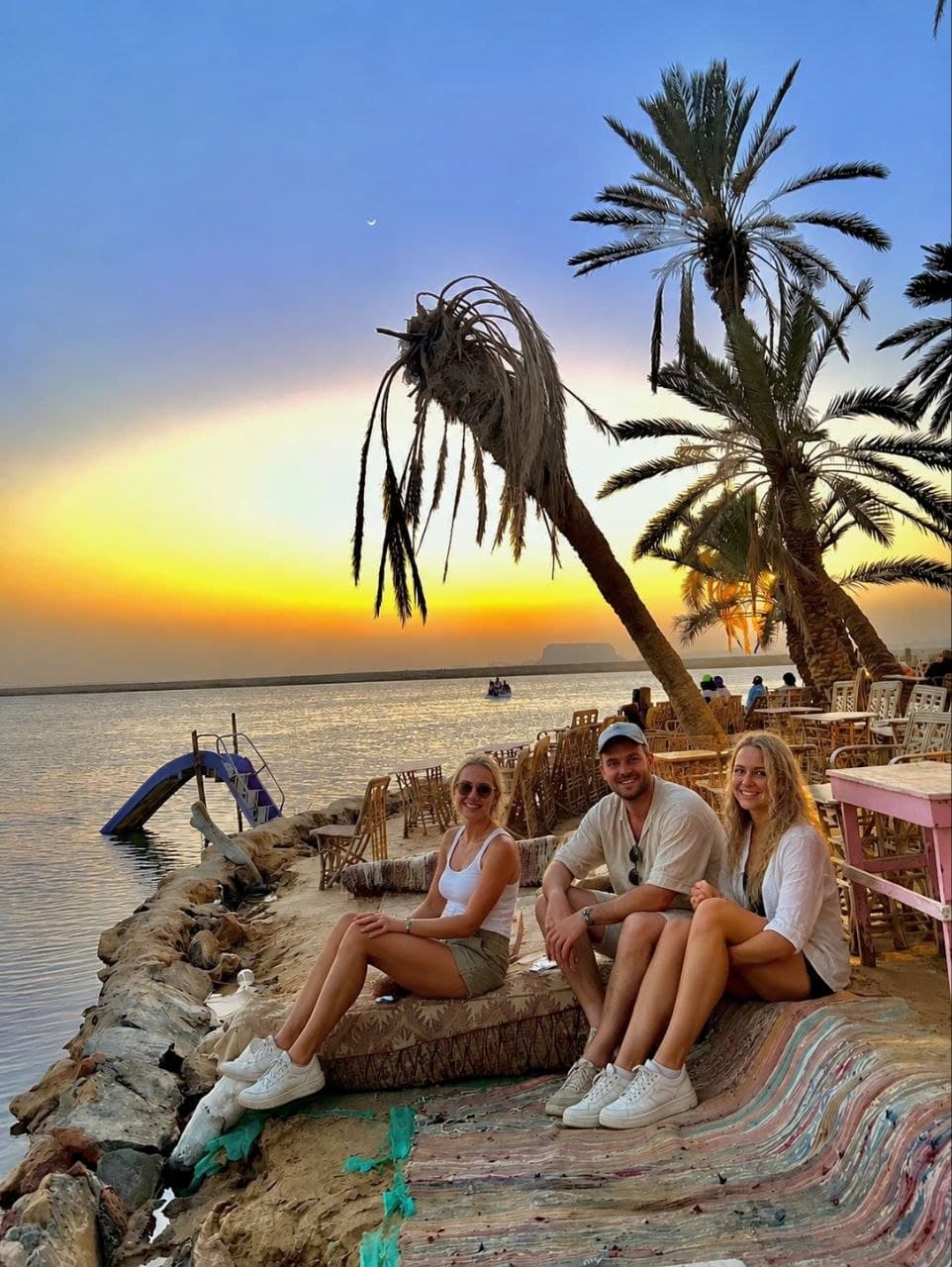
5. Fatnas Island (Fantasy Island)
A serene peninsula jutting into the brackish Lake Siwa, fringed by date palms and rustic cafés. Sunset from Fatnas Island is legendary, as golden light reflects across the calm waters against the silhouette of the desert hills.
6. Mountain of the Dead (Gebel al-Mawta)
A conical hill honeycombed with rock-cut tombs dating from the 26th Dynasty through the Greco-Roman period. Notable tombs include the Tomb of Si-Amun, featuring remarkably preserved, vibrant frescoes.
7. The Great Sand Sea
Directly south of Siwa lies the Great Sand Sea, a 72,000 km² expanse of undulating golden dunes extending into Libya. Thrilling 4x4 dune bashing, sandboarding, and stargazing are essential Siwa highlights.
8. Bir Wahed Hot & Cold Springs
Located 15 km deep within the Great Sand Sea dunes, this surreal oasis features a warm natural sulfur spring (approx. 35°C) just steps away from a refreshing freshwater lake fringed with reeds.
Siwa’s Unique Amazigh Culture
Siwa is the only place in Egypt where Siwi is spoken—an Amazigh language belonging to the North African Berber family. Siwan culture is proudly preserved across every facet of life:
- Architecture: Thick-walled homes built with traditional kersheef naturally insulate against desert heat and winter chill.
- Music: Unique polyphonic songs and celebratory desert percussion distinct from mainstream Egyptian folk.
- Crafts: Renowned geometric embroidery in vibrant primary colors, ornate Berber silver jewelry, and handwoven palm frond baskets.
- Cuisine: Fresh, wholesome dishes highlighting local dates, cold-pressed olive oil, garden vegetables, and tagines.
- Hospitality: Warm, respectful, and welcoming Bedouin and Amazigh traditions.
Siwan Food: What to Taste
- Stuffed Dates: Fresh organic dates filled with local almonds or peanuts.
- Cold-Pressed Olive Oil: Siwa produces some of the purest, most flavorful extra-virgin olive oil in North Africa.
- Tagines: Slow-simmered vegetable, lamb, or chicken stews flavored with indigenous desert herbs.
- Siwan Flatbread: Freshly baked in clay ovens and enjoyed with olive oil and za'atar.
- Mint Tea & Karkadeh: Fragrant herbal mint tea served sweet, along with chilled hibiscus tea.
Where to Stay in Siwa
- Luxury Eco-Lodges: World-renowned retreats like Adrère Amellal, built entirely of kersheef with zero electricity and candlelit ambiance, as well as Taziry Ecolodge and Siwa Shali Resort.
- Mid-Range Boutique Stays: Charming traditional hotels nestled in date groves offering peaceful courtyards and authentic architecture.
- Budget Guesthouses: Clean, welcoming local guesthouses starting around $15–$30 per night.
- Desert Camping: Bedouin Trails organizes private camping under the starry skies of the Great Sand Sea.
Best Time to Visit Siwa
The optimal season is October through April, offering warm daytime temperatures (20°C–28°C) and crisp desert nights. Avoid high summer (June to August) when midday heat exceeds 40°C.
Note: In October, the annual Siyaha Festival (Festival of Reconciliation) takes place over three days during the full moon, celebrating the date harvest with communal feasts and Sufi chanting.
Suggested 4-Day Siwa Itinerary
- Day 1: Arrival & Oasis Serenity: Arrive late afternoon, settle in, take a stroll through the palm groves, and enjoy an authentic dinner.
- Day 2: Citadel, Temples & Sunset: Explore Shali Fortress, Gebel al-Mawta, Temple of the Oracle, Cleopatra’s Spring, and sunset at Fatnas Island.
- Day 3: Great Sand Sea & Salt Lakes: 4x4 dune safari, sandboarding, Bir Wahed hot spring, and floating in the salt lakes at dusk.
- Day 4: Local Crafts & Departure: Browse local artisan markets for silver and dates, then begin your journey onward.
FAQ
How many days do I need in Siwa?
At least 3 nights, ideally 4 to 5 nights to appreciate the remote desert pace without rushing.
Is Siwa safe to visit?
Yes, Siwa is one of the safest, most peaceful, and welcoming destinations in Egypt.
Can I drink the water from the springs?
While natural springs are pure, bottled or filtered water is recommended for travelers to prevent stomach sensitivity to local mineral contents.
Do I need to dress modestly in Siwa?
Yes. Siwa is a conservative and traditional community; covering shoulders and knees is strongly appreciated.
Is alcohol available in Siwa?
Alcohol is not sold publicly in town. Select high-end eco-lodges may serve residents, but expectations should remain modest.
Are there ATMs and internet in Siwa?
Yes, ATMs and Wi-Fi are available in town and major lodges, though cash can occasionally run low and mobile reception drops in the deep desert.