Sandboarding in Egypt: The Desert Sport You Have to Try (2026)
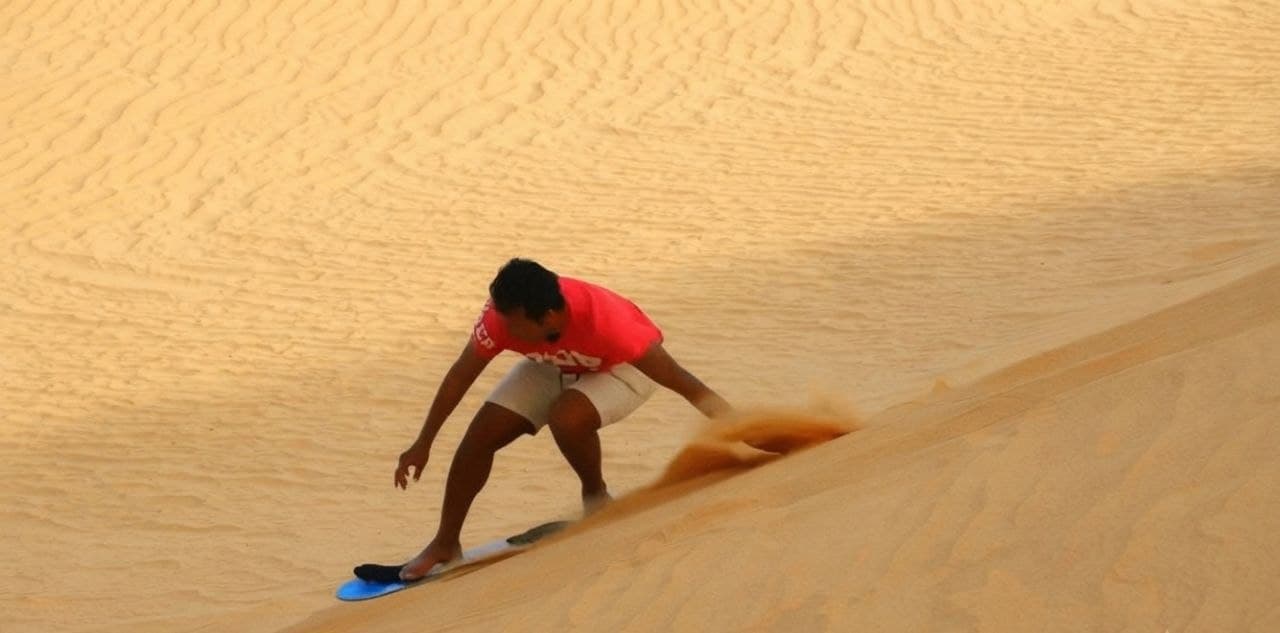
Egypt’s deserts host one of the most underrated adventure sports on the planet: sandboarding. Imagine snowboarding, but down a 60-meter dune of pure golden sand, with open desert rolling to the horizon, the sun warming your back, and a soft landing waiting every single time you fall. It is the kind of activity almost anyone can pick up within ten minutes of arriving at the crest, and it is absolute pure fun.
If you are traveling to Egypt and have even a mild sense of adventure, sandboarding belongs on your itinerary. This guide explains where to go, how to ride, and what to expect—written directly by desert guides who run weekly sessions throughout the season.
What Is Sandboarding?
Sandboarding is exactly what it sounds like: riding down sand dunes on a specially waxed board. The boards look very similar to snowboards (in fact, many are repurposed snowboards fitted with sand-specific bases) and feature simple foot straps or bindings. You hike up the crest, strap in, face downhill, and glide.
Sand creates slightly more friction than snow, meaning speeds are moderate and falls are remarkably gentle. This makes sandboarding vastly easier and safer for beginners than winter snowboarding. Most people can descend a steep dune with confidence after just 15 to 20 minutes of trying. Children as young as 6 or 7 can easily participate with supervision.
Variations include sand sledding (sitting down on a sturdy sled or board to slide), stand-up dune surfing without footstraps (popular in certain dune fields), and motorized 4x4 dune bashing—often paired alongside sandboarding excursions.
Bedouin Trails Tip: Don't try to look like a pro on your very first run. Start by sitting down and sliding down on your backside to gauge the speed and feel of the slope. After 2–3 runs, try standing with one foot loose in skateboard style. Once comfortable, strap both feet in and carve your descent.
Where to Sandboard in Egypt
- 1. Wadi El Rayan (Fayoum) — Most Accessible: The most popular sandboarding destination in Egypt, located just 2.5 to 3 hours southwest of Cairo. The dunes here are long (offering 50–80m of smooth riding slope), forgiving, and scenic, overlooking magic lakes. It is the premier choice for day trips and weekend getaways.
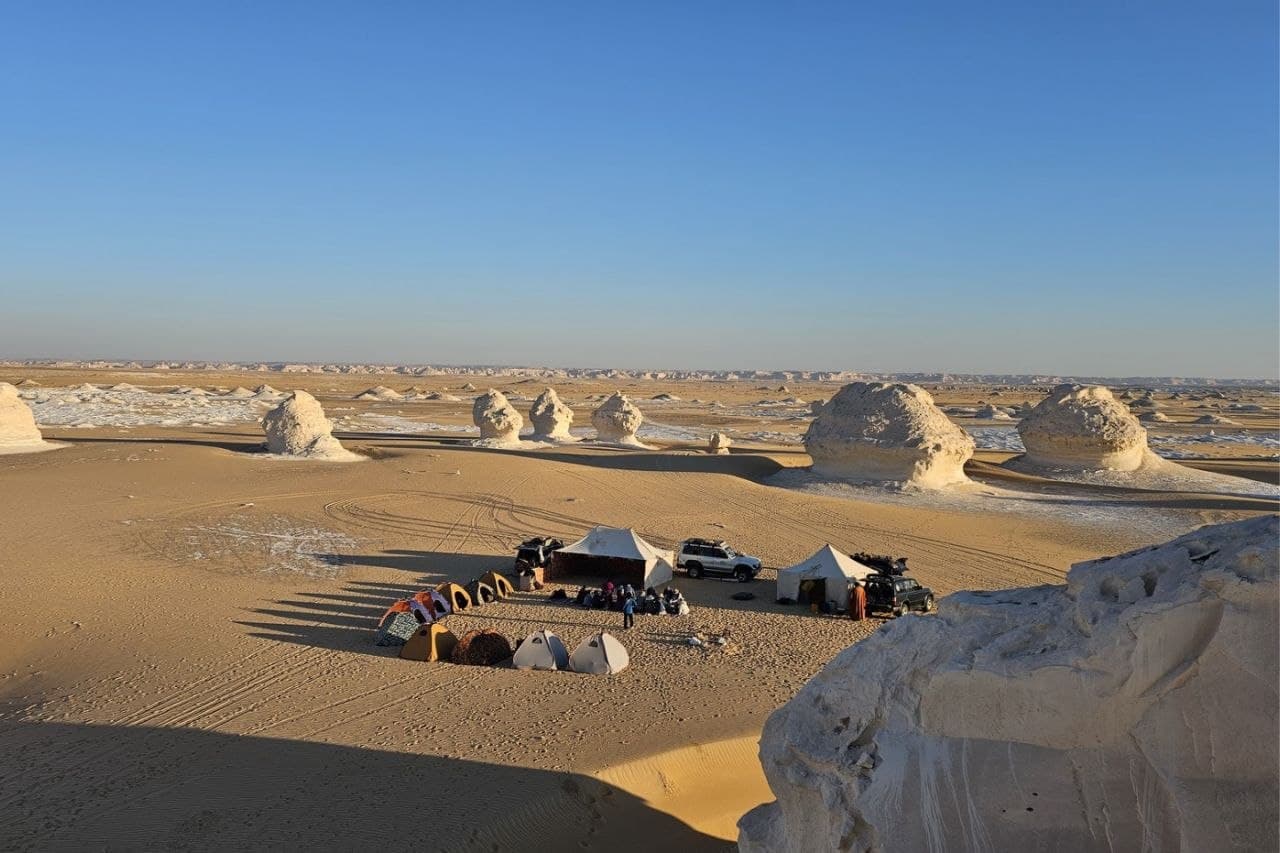
- 2. The White Desert — Most Visually Dramatic: Smaller dunes than Fayoum, but backdropped by incredible glowing chalk formations. While less technical for speed purists, it delivers unmatched photography and magical desert ambiance.
- 3. The Great Sand Sea (Siwa Oasis) — The Ultimate Thrill: Egypt’s largest, steepest, and most epic dune field. Stretching over 72,000 km², the dunes south of Siwa reach up to 100 meters in height. Sandboarding here is part of an unforgettable expedition, frequently combined with natural hot springs and legendary sunsets.
- 4. Black Desert & Bahariya Oasis Edge — Compact Fun: Rolling dunes situated along the transition between Bahariya and the Black Desert. Often included as a quick, exciting stop during wider Western Desert safaris.
How to Sandboard: Step-by-Step for Beginners
Here is the standard learning progression followed by our guides:
- Step 1: Sit or Belly-Slide. Place the board flat at the top of the dune. Sit or lie down on it, push off with your hands, and slide down. This works on the first try for 100% of riders.
- Step 2: Try the Skateboard Stance. Turn the board slightly across the fall line. Place your front foot on the board while pushing with your back foot in the sand. Step on and glide down.
- Step 3: Strap Both Feet In. Once comfortable balancing upright, fasten both foot straps. Point the board straight down the slope and lean slightly back. Expect a soft tumble or two—the sand is completely forgiving.
- Step 4: Practice Turning and Carving. Shift your weight onto your toes or heels to control your direction and carve across the face of the dune.
Most beginners master all four steps within a single two-hour session, riding down massive dunes with total confidence.
What to Wear and Bring
- Sturdy closed-toe shoes (trainers or hiking boots): Board bindings require solid footwear; flip-flops or sandals will slip off.
- Long pants: Lightweight cotton or athletic track pants protect against sand friction when sliding.
- Wide-brimmed sun hat or Shemagh: Protects your head and neck from strong desert sun.
- UV-blocking sunglasses: Crucial for glare reduction and shielding eyes from windblown grains.
- Broad-spectrum SPF 50 sunscreen: Apply generously before your session and reapply often.
- A complete change of clothes: Fine desert sand gets into everything; leave a fresh set in the support vehicle.
- Plentiful drinking water: Hiking up dunes is great exercise; carry at least 1.5 liters per person.
- Camera or GoPro: Sandboarding produces some of the most dynamic action photos of your Egypt vacation.
- Optional gear: Light gloves or elbow pads if you plan on attempting advanced speed runs.
Best Time of Day and Season
The ideal hours are early morning (07:00 – 10:00) or late afternoon (15:00 – 17:30). During these windows, the sand is pleasantly cool underfoot and the low-angle sun creates dramatic golden lighting across the dune ridges. Midday sun makes the sand uncomfortably hot to touch.
Best Season: October through April. Summer temperatures on dune surfaces can exceed 60°C (140°F) at midday. Autumn, winter, and early spring provide warm air and perfect sand conditions.
Is Sandboarding Safe?
Yes, sandboarding is one of the safest adventure sports in the world—significantly safer than snowboarding or skiing due to softer impact surfaces and lower terminal velocity.
Common minor occurrences:
- Sand friction burns: Minor skin grazes from bare-skin contact during falls (prevented by wearing long pants).
- Sand in eyes or ears: Easily managed with wraparound sunglasses and headwear.
- Mild muscle soreness: Primarily from the rewarding workout of climbing back up the dunes.
Serious injuries are exceptionally rare. Our teams have guided thousands of riders without major incidents.
Pricing and Cost
As a standalone excursion from Cairo or nearby oases, sandboarding typically costs $20 to $40 per person for a 1–2 hour session, including board rental, wax, and local 4x4 transfers.
When booked as part of a comprehensive Bedouin Trails expedition (such as our Fayoum, White Desert, or Siwa tours), sandboarding is generally included in the itinerary at no extra charge.
Combining Sandboarding with Other Adventures
Sandboarding works best as a 2-hour highlight within a broader desert adventure:
- Fayoum Day Trip: Sandboarding + Lake Qarun + Wadi Al-Hitan (Whale Valley) + Tunis Pottery Village.
- Siwa Expedition: Great Sand Sea boarding + Cleopatra’s Spring + Sunset Dune Bashing.
- White Desert Safari: Sandboarding + Chalk Monolith Exploration + Stargazing Camp.
FAQ
How hard is sandboarding to learn?
Surprisingly easy. Almost all first-timers can glide down standing up within 15 to 20 minutes. It is much more forgiving and accessible than snowboarding on snow.
Do I need to be physically fit?
Moderate fitness is helpful since climbing up the sand dune requires leg effort. However, you can pace yourself, rest under the shaded support canopy, and slide as many or as few times as you wish.
Where is the best sandboarding spot in Egypt?
Wadi El Rayan in Fayoum is best for easy access from Cairo. The Great Sand Sea near Siwa is the ultimate choice for massive, towering dunes. The White Desert offers the most picturesque, surreal backdrop.
Can you sandboard year-round?
It is strongly recommended from October to April. In peak summer (June–August), desert sand temperatures can become dangerously hot for bare hands and feet.
Does sandboarding harm the desert environment?
No. When conducted on designated active dune systems, wind naturally reshapes and resets the sand tracks within hours, leaving zero ecological footprint.
Can I bring my own snowboard?
Yes, though standard snowboards create more drag unless thoroughly applied with specialized sand wax. Renting locally adapted sandboards is generally easier and more effective.