Camel Safari in Egypt: Everything You Need to Know Before Riding
Most travelers come to Egypt expecting to ride a camel at some point—usually for ten minutes around the Giza Pyramids, led by a handler walking in circles. That is not a camel safari.
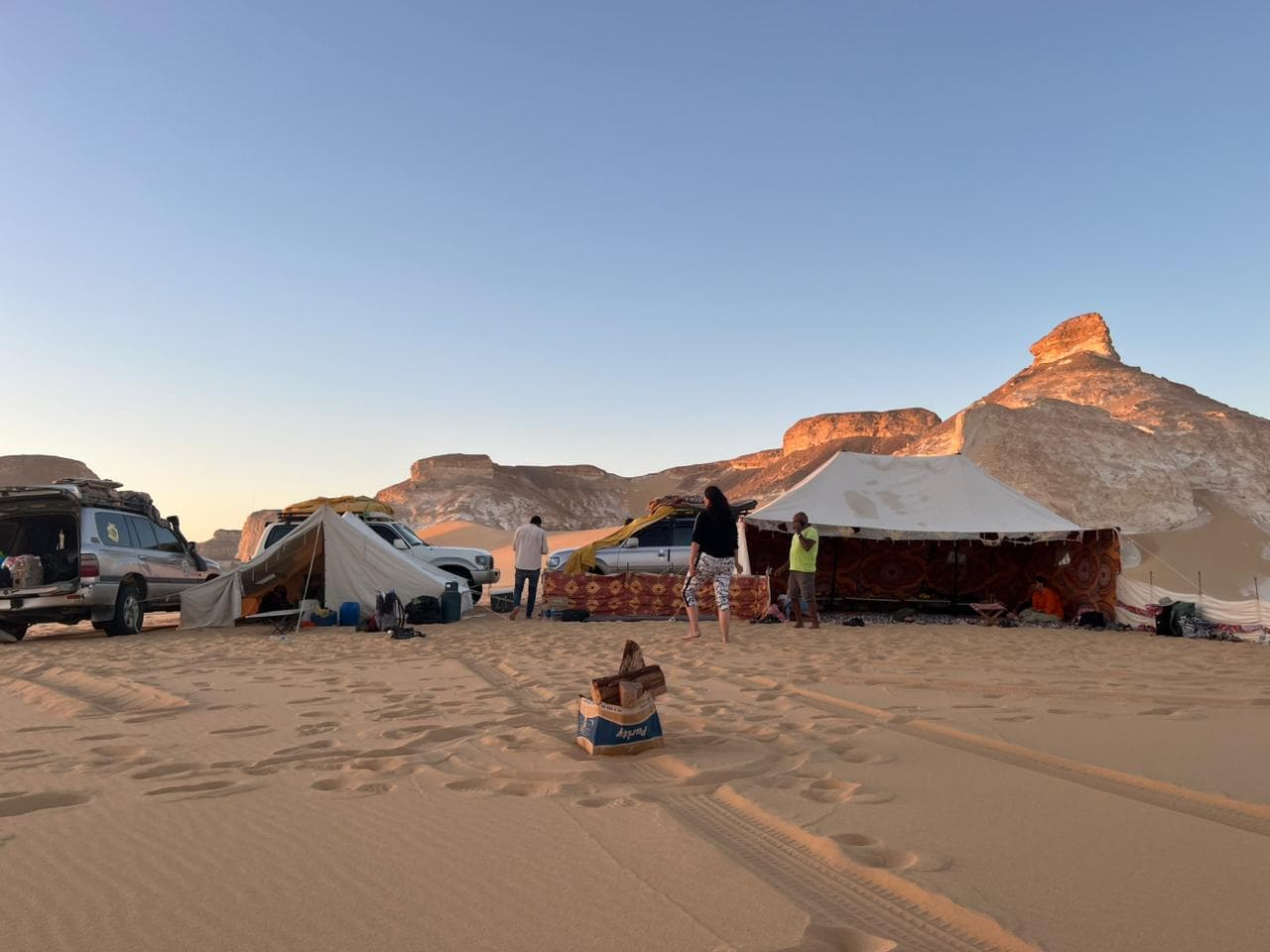
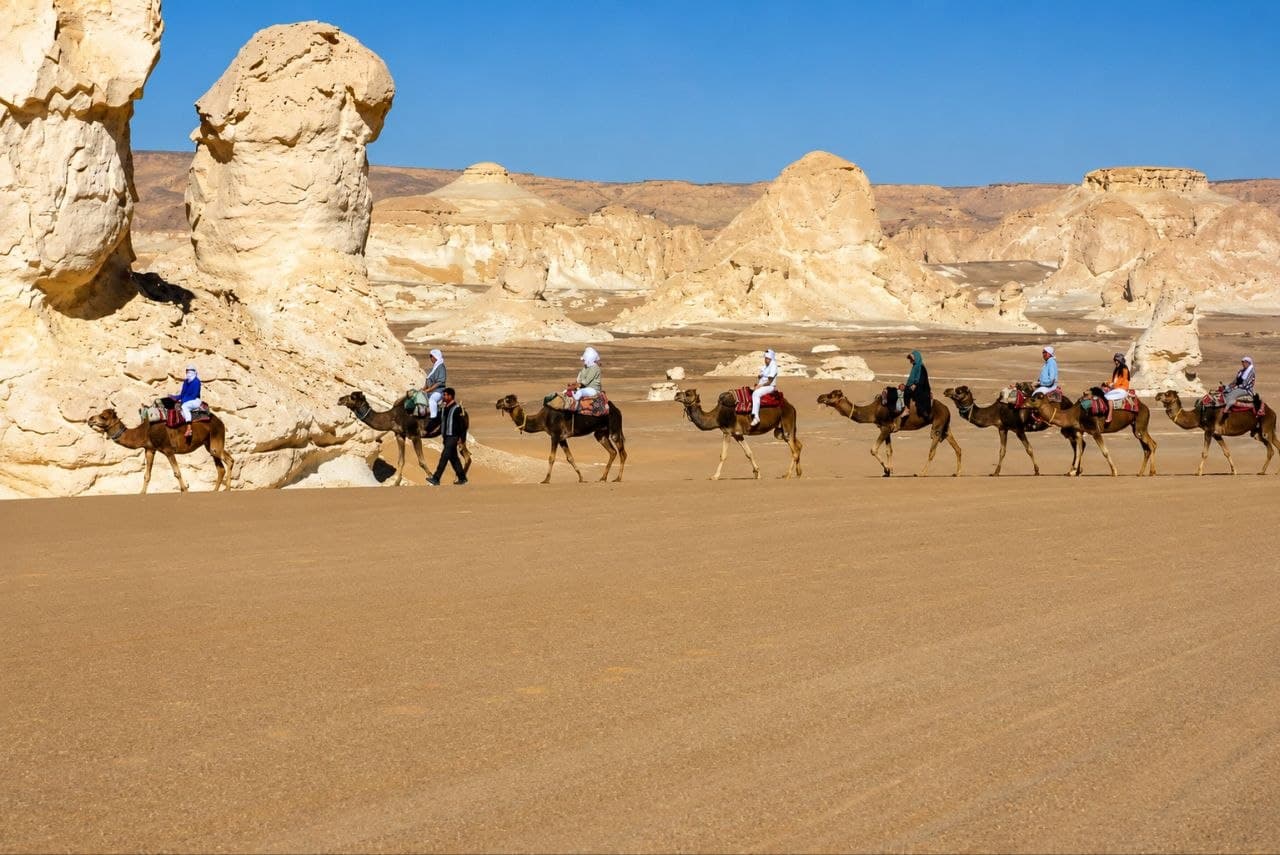
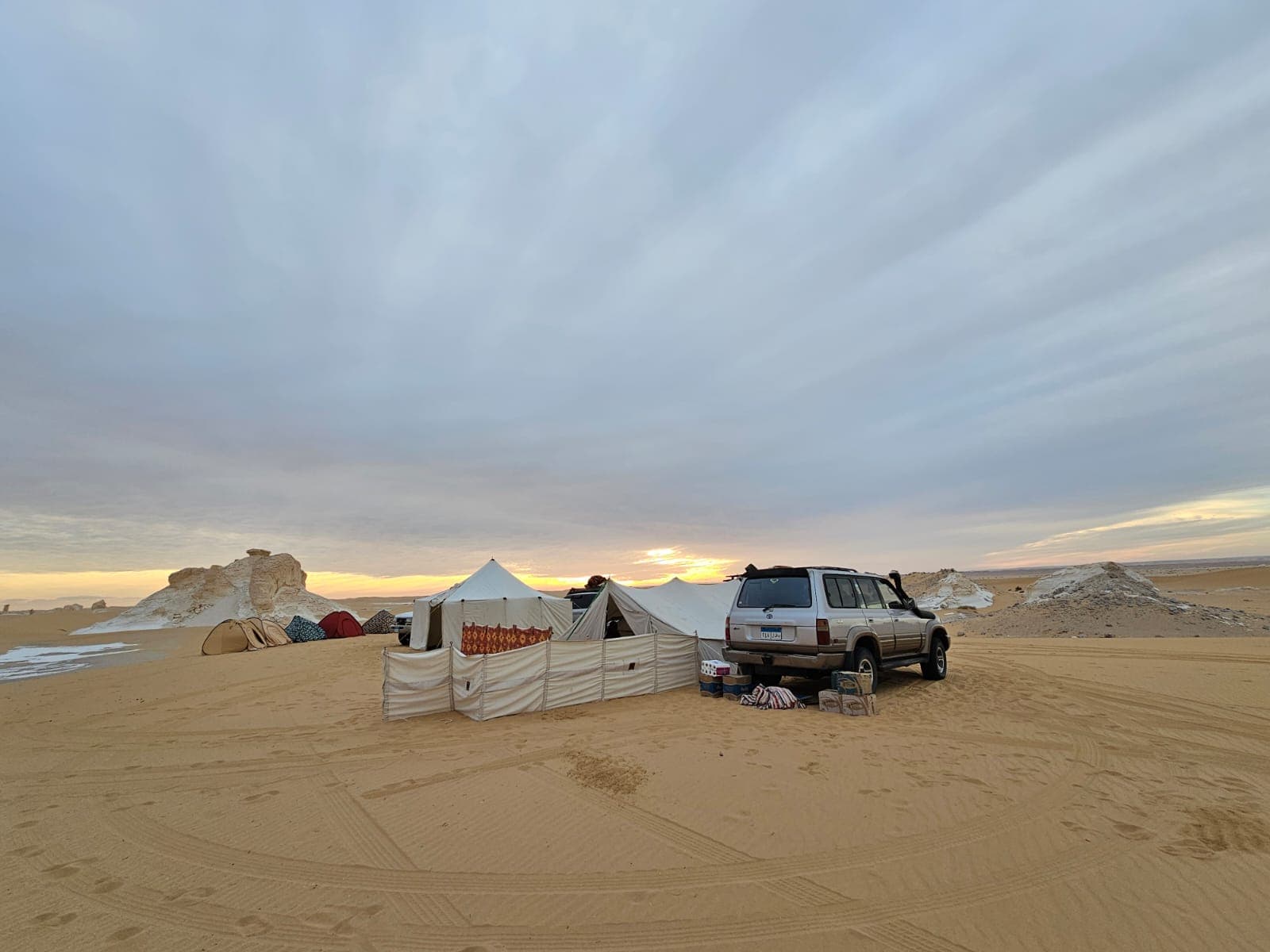
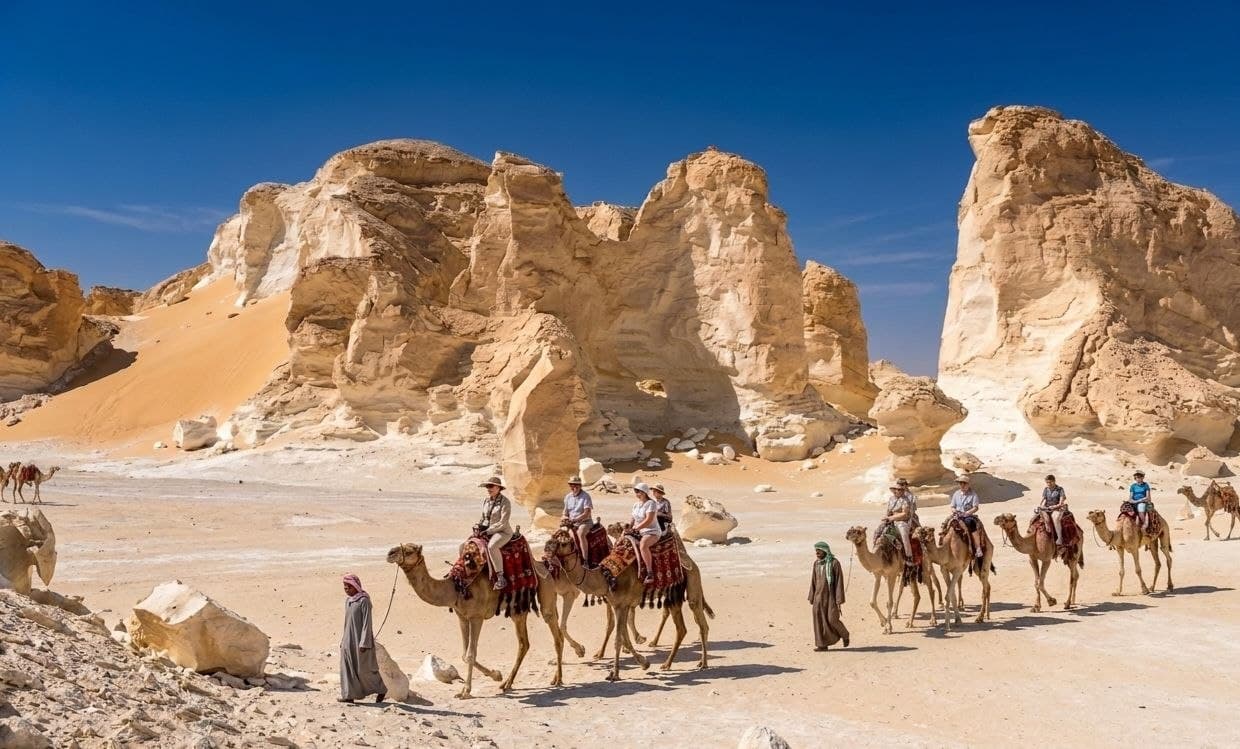
A true camel safari is something completely different: a multi-day journey on camelback across open desert wilderness, covering 15 to 25 kilometers a day, sleeping in Bedouin camps under star-filled skies, learning to ride properly, and experiencing the ancient rhythm of travel that shaped these deserts for thousands of years. It is one of the most transformative travel experiences available in Egypt, offering a slow, quiet, and deeply meditative way to witness the White Desert and beyond.
This is the complete guide to camel safaris in Egypt: what to expect, how to prepare, which trip style fits you, and how to book with ethical operators who truly respect their animals and their guests.
What Is a Camel Safari in Egypt?
A camel safari is a multi-day trek on dromedary (single-humped) camels across Egypt's Western Desert. Trips range from gentle 1-day introductions to immersive 7-day expeditions across the White Desert with full Bedouin support. Camels carry riders and all necessary gear—food, fresh water, bedding, and supplies. A dedicated support crew—typically one handler for every 3–4 camels—manages animal care, trail navigation, and camp setup.
Each day follows a timeless rhythm: 4–5 hours of riding in the cool morning air, a long midday shaded rest and freshly prepared lunch, another 2–3 hours of afternoon riding, and arriving at a new campsite before dusk. Daily distances average 15–25 km depending on terrain and pace.
What makes it truly extraordinary is the silence. While 4x4 desert tours fill the air with mechanical roar, a camel safari is nearly noiseless—just the soft thud of camel pads on sand, an occasional soft grunt, and the gentle creak of palm-fiber saddles. You experience the desert with an intimacy no vehicle can provide.
Bedouin Trails Tip: A camel safari is genuinely transformative for travelers who give it time. A single-day ride is pleasant, but cannot deliver the true deep wilderness immersion. Plan for at least 3 days to experience the real magic.
What Riding a Camel Actually Feels Like
Riding a camel is very different from riding a horse. A camel moves both legs on one side together, creating a distinct rolling, sway-like gait that takes 30–60 minutes to get used to. You sit atop a padded wooden or woven frame saddle, resting your feet in stirrups. Many riders feel slight muscle stiffness on day one—particularly in the inner thighs and lower back—but the body adapts remarkably fast.
Well-treated camels are exceptionally calm, gentle animals. They walk with steady footing, respond smoothly to gentle vocal cues and light taps of a riding crop, and rarely require force. They drink infrequently (often once every 2–3 days), graze lightly along the path, and can sustain long daily treks effortlessly.
You can dismount whenever you like. Many travelers choose to walk alongside their camels for portions of each day—the walking pace matches the camel's stride (around 5–6 km/h), allowing you to stretch your legs and enjoy changing perspectives.
Where Camel Safaris Operate in Egypt
- The White Desert: The premier and most dramatic setting in Egypt. Multi-day camel treks through the White Desert and its surreal chalk rock formations offer unparalleled scenery and complete silence in a protected reserve far from vehicular tracks.
- Sinai Peninsula: Camel trekking is also available in the Sinai mountains, particularly around Saint Catherine's Monastery and adjacent high peaks. This is a rugged, culturally distinct mountain experience with historic Bedouin trails.
- Siwa Oasis: Shorter camel excursions operate from Siwa town into the Great Sand Sea, typically offered as half-day or full-day sunset treks rather than multi-day cross-country expeditions.
A Typical Day on a Multi-Day Camel Safari
Here is what an average day looks like on a 4-day camel expedition:
- 05:30: Gentle wake-up call, fresh Bedouin tea brewed over embers, camp stirs to life.
- 06:30: Camels packed and saddled; mount up and head out into the morning coolness.
- 07:00 – 10:30: Prime morning trek—crisp air, golden low-angle light, long shadows across dunes.
- 10:30 – 12:00: Mid-morning tea break in natural shade while camels graze desert scrub.
- 12:00 – 14:00: Slower midday riding or resting under canopy during peak sun.
- 14:00 – 16:00: Extended midday oasis/shade stop for a fresh cooked lunch, reading, resting, or photography.
- 16:00 – 18:00: Golden afternoon ride as temperatures drop, arriving at the evening campsite.
- 18:00 – 22:00: Setting up camp, sunset appreciation, hot traditional dinner around the fire, stargazing.
- 22:00: Sleep under open skies or in spacious safari tents.
Daily distances average 18–25 km, perfectly manageable for any adult with average fitness.
Who Camel Safaris Are (and Aren't) For
Ideal for:
- Travelers with reasonable fitness seeking a slow, immersive wilderness expedition.
- Photographers: the unhurried pace and golden desert light provide exceptional opportunities.
- Couples and small private groups wanting an unforgettable, intimate adventure.
- Anyone fascinated by traditional Bedouin culture and nomadic lifestyles.
- Desert enthusiasts who have done 4x4 tours and crave a deeper, quieter connection.
- Mindfulness and wellness travelers looking for digital detox and total tranquility.
Not recommended for:
- Individuals with severe back, hip, or knee conditions that make straddle seating painful.
- Travelers on tight schedules (true camel safaris require at least 2–3 full days).
- Anyone uncomfortable being away from mobile connectivity for multiple days.
- Travelers sensitive to extreme summer heat (safaris operate October through April).
What to Pack and Wear
- Loose-fitting long pants: Cotton or linen trousers prevent saddle chafing.
- Long-sleeved lightweight shirt: Essential protection from intense sun and wind.
- Wide-brimmed hat or Shemagh scarf: Traditional cotton scarves protect neck and face from sun and blowing sand.
- Sturdy closed-toe shoes: Lightweight hiking boots or trainers (sandals are unsuitable for riding).
- UV400 sunglasses: Vital against harsh desert glare.
- Broad-spectrum SPF 50 sunscreen: Reapply regularly throughout the day.
- Insulated water flask: Keeps personal drinking water cool in the saddle bag.
- Compact daypack: For your camera, daily snacks, sunscreen, and layers.
- Lip balm with SPF: Desert air is extremely dry.
- Personal toiletries and pain relief: Ibuprofen helps with initial muscle soreness.
- Warm evening layers: Desert temperatures drop sharply after sunset; pack a fleece or down jacket.
Animal Welfare: How Camels Are Treated at Bedouin Trails
Not all camel operators uphold high ethical standards. Some overload their animals, work them through peak heat without rest, or use aggressive handling methods. At Bedouin Trails, animal welfare is foundational. We partner exclusively with respected Bedouin handlers who maintain generational bonds with their herds.
Our camel care standards ensure:
- Selective temperament: Calm, healthy, well-trained camels comfortable around travelers.
- Rotational rest: Adequate recovery days between multi-day expeditions.
- Proper nutrition and hydration: High-quality fodder and fresh water before, during, and after treks.
- Pre-trip health checks: Regular veterinary and handler assessments before departures.
- Humane handling: Gentle vocal directions and light guide sticks; never harsh striking or harmful equipment.
If you ever have questions or concerns regarding animal welfare during your trek, inform your guide immediately. We maintain zero tolerance for mistreatment.
Pricing and Booking Information
A private multi-day camel safari with Bedouin Trails typically ranges from $250 to $500 per person per day, depending on group size, chosen route, and included amenities. This rate covers all riding camels, baggage camels, expert Bedouin guides and handlers, all meals, water, premium camping gear, and round-trip transfers from Cairo or Bahariya.
Peak season runs from November through February; early booking (4–8 weeks in advance) is highly recommended.
FAQ
Is camel riding uncomfortable?
The first 30–60 minutes require getting used to the rolling movement, and some riders feel minor stiffness on day one. By day two, your body naturally synchronizes with the camel's rhythm. The padded saddles used by Bedouin Trails provide substantially better comfort than traditional rigid wooden frames.
What level of physical fitness is required?
Moderate, everyday fitness is plenty. You do not need to be an athlete; you will spend hours sitting and parts of each day walking alongside your mount. Anyone who can comfortably walk for a couple of hours can enjoy a camel safari.
Are camels safe to ride?
Yes, very safe. Well-trained working camels are gentle, steady-footed, and docile with novice riders. Incidents are rare and almost always involve improper dismounting. Your guides provide hands-on safety training on morning one.
Can I go on a camel safari if I am pregnant?
We do not advise camel trekking during pregnancy. The swaying motion and terrain can cause physical strain, and any unexpected bump poses unnecessary risks.
What is the food like on a camel safari?
Bedouin desert cuisine is fresh, hearty, and widely praised: flatbread baked on campfire embers, grilled meats, spiced rice, fresh vegetable stews, lentil soup, and crisp salads. Vegetarian, vegan, and special dietary needs are readily accommodated with prior notice.
Do camels bite or spit?
Camels generally only spit or snap when severely agitated, stressed, or mistreated. Well-cared-for Bedouin camels are calm, gentle, and accustomed to humans. Treat them with calm respect and you will have an affectionate trail companion.