Fayoum Oasis Guide: Egypt's Best-Kept Secret (2026)
Just 100 km southwest of Cairo—closer than you might ever imagine—lies one of Egypt’s most surprising and versatile destinations. Fayoum Oasis is the only Egyptian oasis fed directly by the Nile (via the historic Bahr Yussef canal), the only one with a permanent expansive lake, and the only place in the country where you can stand among 40-million-year-old fossilized whales, explore ancient Middle Kingdom pyramids, visit a vibrant artists' pottery village, and sandboard down pristine desert dunes—all within a single weekend trip.
Yet, most international travelers and even many Egyptians completely overlook Fayoum. It sits just off the classic tourist circuit of the Giza Pyramids, Luxor, and Aswan. Massive tour buses do not stop here, and there are no towering mega-resorts. That is precisely what makes a trip to Fayoum feel refreshingly authentic: quieter, unhurried, deeply local, and genuinely Egyptian.
This comprehensive guide is created by experienced desert guides who have led expeditions in this region for years: where to go, what to see, where to stay, and why a two-day Fayoum itinerary might just be the most rewarding weekend escape in Egypt.
Where is Fayoum and Why is It Different?
Fayoum is a massive natural depression located about 100 km southwest of Cairo. Unlike the remote Western Desert oases (such as Bahariya, Farafra, Dakhla, Kharga, and Siwa), Fayoum lies close to the Nile Valley and is fed by a natural tributary channel, the Bahr Yussef canal, sustaining continuous human settlement and agriculture for over 6,000 years.
Three Features That Make Fayoum Unique:
- Lake Qarun: A massive 230 km² lake sitting at the heart of the oasis. It is the only permanent lake in any Egyptian oasis, creating unique microclimates and rich wetland ecosystems not found elsewhere in the country.
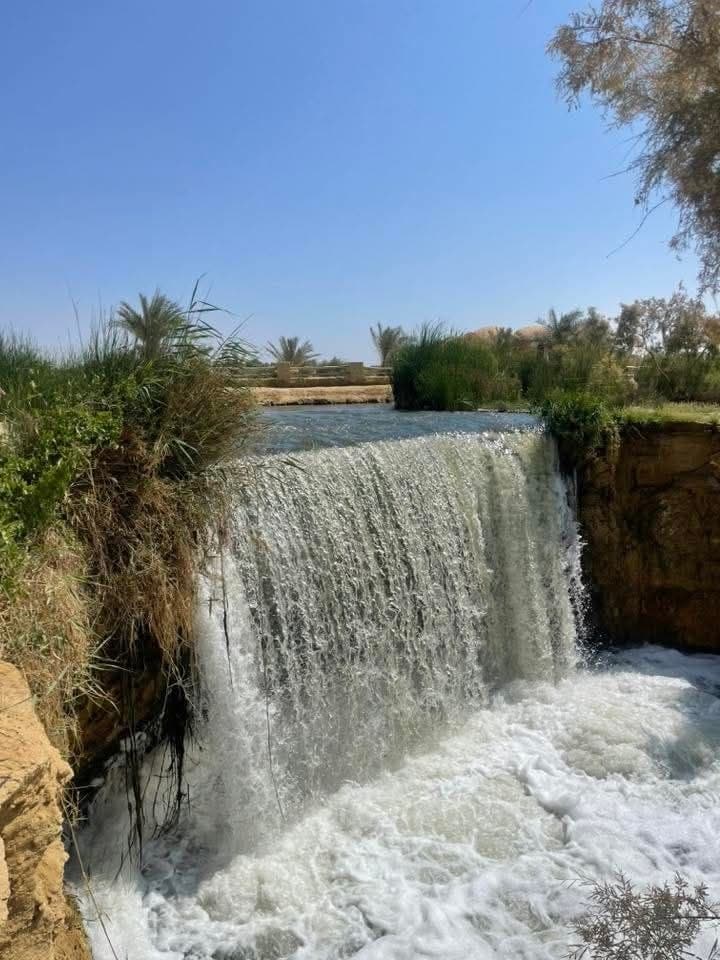
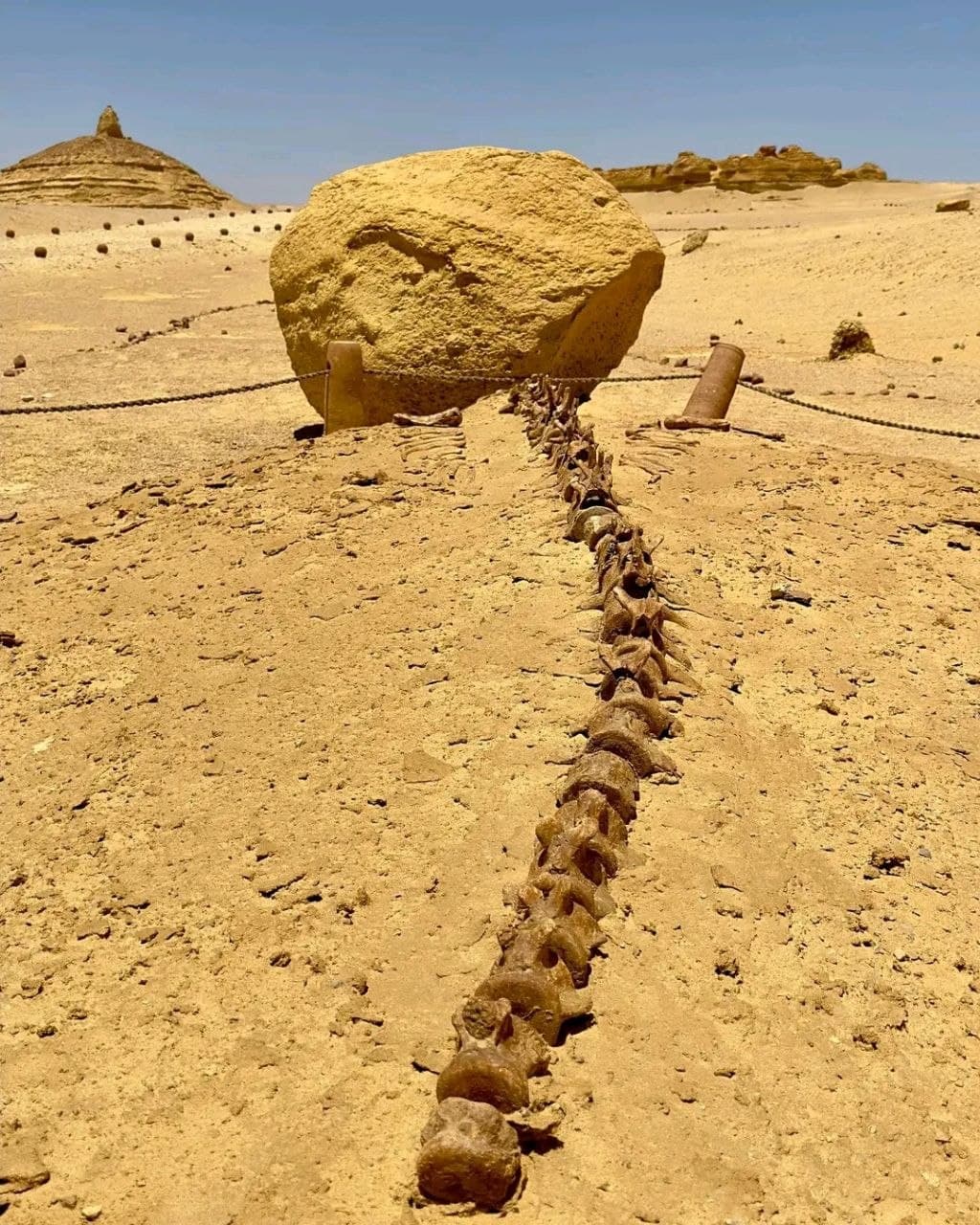
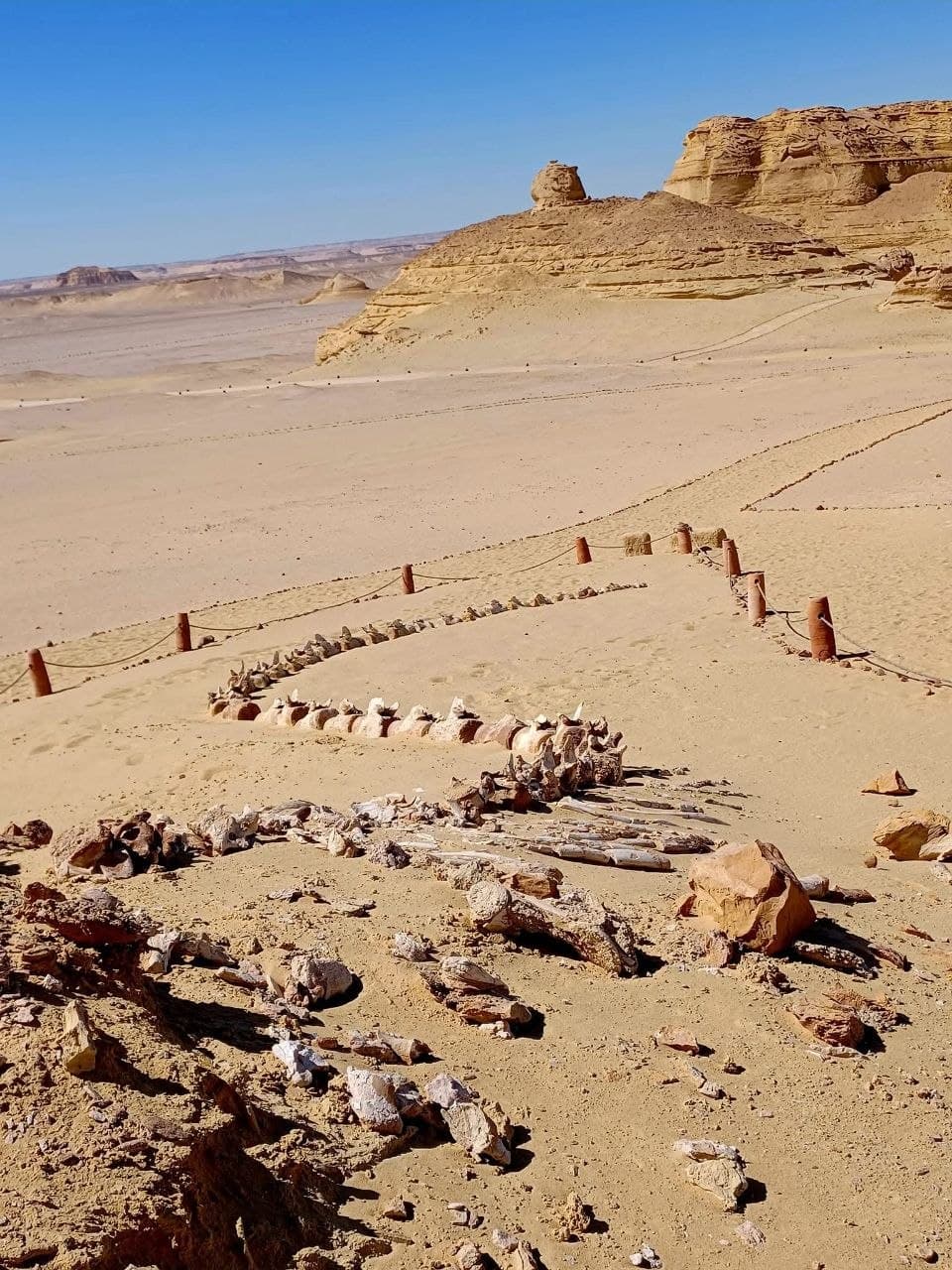
- Nearby Geological Wonders: Home to Wadi El Hitan (Whale Valley)—a renowned UNESCO World Heritage site preserving 40-million-year-old fossilized whales—and the Wadi El Rayan Protected Area, featuring natural waterfalls, freshwater lakes, and golden dunes.
- Tunis Village: An internationally renowned pottery and art village on the southern shores of Lake Qarun, originally revitalized by Swiss master potter Evelyne Porret in the 1980s, now housing dozens of artisan workshops, ceramic studios, and boutique eco-lodges.
Add ancient Middle Kingdom pyramids, the world’s oldest paved road, and top-tier desert sandboarding, and you get a destination that punches far above its weight.
Bedouin Trails Tip: Fayoum is hands down Egypt’s best weekend trip from Cairo. If you have 1–2 nights and do not want to endure the 9-hour drive to Siwa or 5 hours to the White Desert, Fayoum is the ultimate answer. Drive down Friday morning, stay Friday and Saturday nights, and head back Sunday having sandboarded desert dunes, explored UNESCO fossil beds, visited artisan workshops, and watched the sun set over Lake Qarun.
How to Get to Fayoum from Cairo
Fayoum is one of the most accessible travel destinations from Cairo. The drive is short and roads are well-paved.
- By Private Car (Recommended): Driving from central Cairo takes around 1.5 to 2 hours along the Cairo–Fayoum Desert Highway. The road is fully paved, dual-carriageway, and dotted with multiple modern rest stops and service stations.
- Organized Guided Tour: The smartest and most hassle-free option for first-time visitors. A guided expedition manages all transportation between distant sites (Lake Qarun, Tunis Village, Wadi El Hitan, and Wadi El Rayan are situated in different directions), private 4x4 desert transit, artisan visits, and boutique accommodation.
Top Highlights: What to See in Fayoum
1. Wadi El Hitan (Whale Valley)
Egypt’s most remarkable yet under-visited UNESCO World Heritage site. Wadi El Hitan preserves the fossilized remains of Archaeoceti—early primitive whales that still possessed hind legs and feet—dating back roughly 40 to 37 million years when the Tethys Ocean covered this terrain. Visitors can walk along an open-air desert pathway viewing fully articulated whale skeletons preserved in situ on the desert floor where they settled, alongside fossilized mangrove roots and prehistoric sharks' teeth. An excellent climate-controlled fossil museum is also located at the site. (Located 80 km southwest of Fayoum city in the Wadi El Rayan reserve).
2. Wadi El Rayan Protected Area
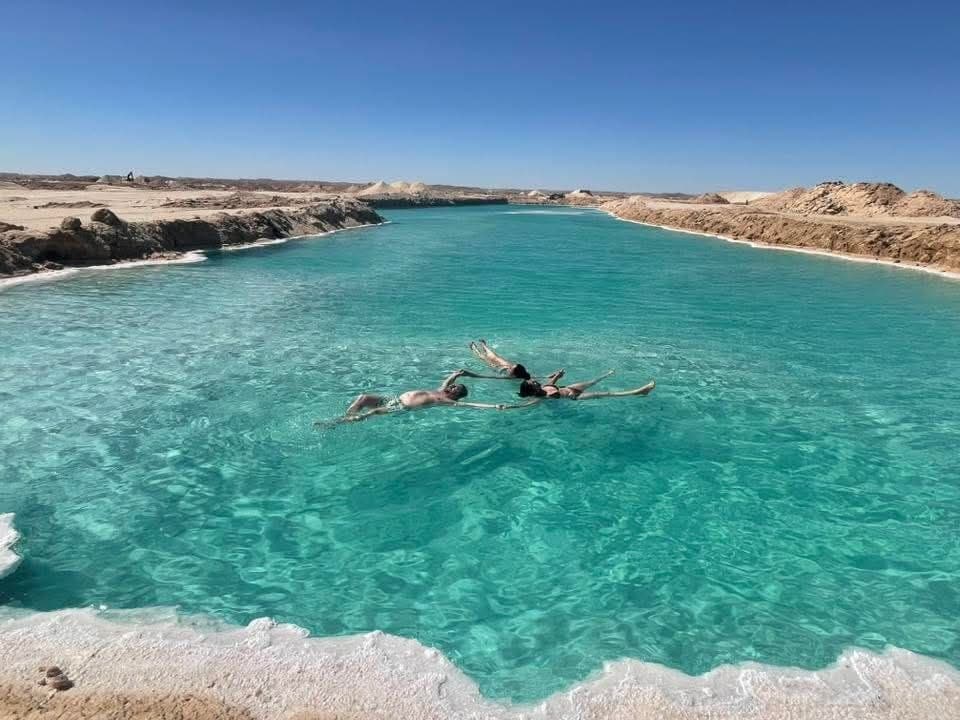
A vast nature reserve south of Lake Qarun featuring two large freshwater lakes connected by Egypt’s only permanent natural waterfalls. The towering, pristine dunes framing the lakes are among the finest in Egypt for sandboarding—offering long, smooth, forgiving runs perfect for all skill levels. Most excursions combine dune surfing with swimming and lake relaxation.
3. Tunis Village
A picturesque rural village perched on the southern ridge overlooking Lake Qarun. Transformed into an international ceramics colony by Swiss potter Evelyne Porret, Tunis is filled with flowering bougainvillea, open ceramic ateliers, family-run guest lodges, and traditional restaurants. It represents the cultural heartbeat of the oasis and an idyllic spot for peaceful evenings.
4. Lake Qarun
The ancient lake spanning the northern belt of the oasis basin. While slightly saline today, Lake Qarun offers serene water vistas, lush palm groves, and dramatic sunset backdrops. Waterfront lodges and fish restaurants along the southern edge provide scenic dining experiences.
5. Hawara Pyramid
A monumental mud-brick pyramid built by 12th Dynasty Pharaoh Amenemhat III (Middle Kingdom, c. 1850 BCE). Although weathered today, the pyramid was once adjoined by a colossal multi-chambered funerary complex renowned in ancient accounts by Herodotus, Strabo, and Pliny as the legendary "Labyrinth"—described as grander and more intricate than the Great Pyramid of Giza.
6. Meidum Pyramid
A striking, partially collapsed step pyramid located en route between Cairo and Fayoum (technically at the entrance of the oasis corridor). Built during the 4th Dynasty (c. 2600 BCE), its outer casing collapsed in antiquity, leaving behind a dramatic three-tiered tower rising out of the sand that visitors can enter and explore.
7. Qasr Qarun (Temple of Dionysias)
A well-preserved Ptolemaic stone temple situated near the western tip of Lake Qarun. Dedicated to Sobek (the crocodile deity) and Dionysus, it features intact interior sanctuaries, roof platforms with desert panoramas, and underground passageways, entirely free of large tourist crowds.
Best Things to Do in Fayoum
- Sandboarding on Desert Dunes: Glide down the smooth, sweeping slopes of Wadi El Rayan.
- Birdwatching at Lake Qarun: Spot resident and migratory flocks including flamingos, herons, and egrets during the winter months.
- Walking the Prehistoric Ocean Floor: Discover in situ whale skeletons at Wadi El Hitan.
- Pottery Workshops in Tunis Village: Learn hand-thrown ceramic craft or purchase authentic artisan tableware directly from resident makers.
- Swimming at Wadi El Rayan Waterfalls: Enjoy Egypt’s unique desert cascades.
- Sunset Dining over the Lake: Savor authentic Egyptian cuisine and mint tea as the sun dips below the oasis horizon.
- Archaeological Discovery: Explore the Pyramids of Hawara, Meidum, and the historic Temple of Qasr Qarun.
Where to Stay in Fayoum
Fayoum excels in boutique eco-lodges, vernacular mud-brick retreats, and charming family-run guesthouses, predominantly clustered in and around Tunis Village and along Lake Qarun. There are no generic high-rise commercial resorts, which has preserved the oasis’s peaceful character. Nightly rates generally range from $30 to $80 including hearty homemade breakfasts. For adventurers, organized desert camping under the starry skies of Wadi El Rayan is also readily available.
Best Time to Visit Fayoum
The ideal window to explore Fayoum is from October through April, when temperatures are mild and pleasant, averaging between 18°C and 28°C (64°F–82°F). Winter (December to February) brings massive migrations of waterfowl and flamingos to Lake Qarun. Avoid the peak summer months (June to August), when open desert temperatures at Wadi El Hitan can easily exceed 40°C (104°F).
Recommended 2-Day Fayoum Itinerary
- Day 1: Arrival, Pottery, Lakes & Sunset
- Morning: Drive from Cairo (1.5–2 hrs), arrive in Tunis Village, and enjoy a traditional Egyptian countryside lunch.
- Afternoon: Tour the artisan ceramic workshops in Tunis Village, visit the Wadi El Rayan waterfalls, and stroll the lakeshore.
- Evening: Watch the sunset across Lake Qarun, followed by dinner and an overnight stay at a Tunis Village eco-lodge.
- Day 2: Wadi El Hitan & Desert Adventure
- Early Morning: 4x4 drive to Wadi El Hitan (1.5 hrs), explore the open-air fossil walking trail and visitor museum (allow 2–3 hours).
- Afternoon: Desert picnic lunch, followed by thrilling sandboarding on the pristine dunes of Wadi El Rayan.
- Late Afternoon: Relaxed drive back to Cairo arriving before evening.
FAQ
Is Fayoum Oasis safe for international travelers?
Yes, Fayoum is exceptionally peaceful and welcoming, with strong agricultural and artisanal roots and no safety concerns. Tunis Village is well-accustomed to international guests.
Can I visit Fayoum as a day trip from Cairo?
While technically possible, a day trip is rushed and will only allow you to skim one or two highlights. To properly experience Wadi El Hitan, Tunis Village, Lake Qarun, and sandboarding, staying 1–2 nights is highly recommended.
Is sandboarding in Fayoum suitable for beginners?
Yes, the dunes in Wadi El Rayan offer gradual, smooth slopes ideal for first-timers. Equipment is straightforward and most visitors master basic runs within minutes.
Is Wadi El Hitan worth the journey?
Absolutely. As one of the world's most unique UNESCO World Heritage paleontological sites, walking among intact 40-million-year-old whale skeletons lying open in the desert is an unforgettable adventure. Plan for at least 2–3 hours.