Egypt Desert Photography: Pro Tips for Capturing the White Desert (2026)
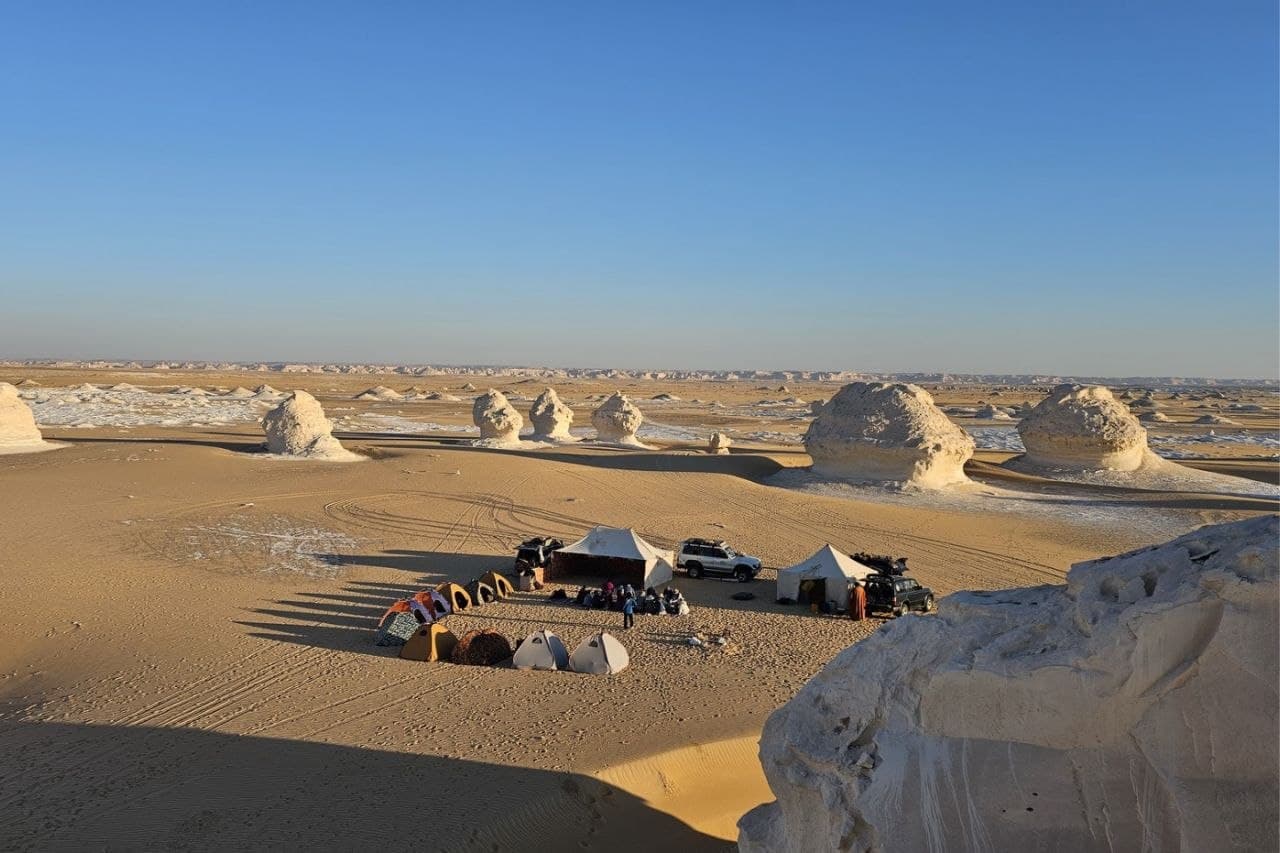
If photography is the primary reason you are considering an Egypt desert tour, the White Desert in Egypt is your quintessential destination, and a properly organized White Desert safari featuring overnight White Desert camping is the precise formula to maximize your portfolio. This is the complete operator's guide to Egypt desert photography: where to shoot, optimal timing, essential gear, golden hour structuring, and why a dedicated private White Desert safari outperforms generic group safari packages for serious visual creators.
Written by Bedouin Trails, the specialist operator conducting photo-centric Egypt desert tour expeditions across Western Desert Egypt every season.
Why the White Desert Is the Ultimate Destination for Egypt Desert Photography
Several unique geological and environmental characteristics establish Western Desert Egypt, and the White Desert specifically, as one of Earth's most rewarding landscape photography destinations:
- Unrivaled Chalk Formations: Mushroom rocks, isolated inselbergs, and the sweeping cliffs of Agabat resemble no other geological structures on Earth, giving your portfolio immediate distinction.
- Dramatic Natural Lighting: The low-angle desert sun casts elongated, razor-sharp shadows, while reflective chalk surfaces bounce soft, warm ambient light into shadow crevices.
- Zero Light Pollution: Night astrophotography during an overnight White Desert camping expedition is world-class, with the Milky Way spanning vividly from horizon to horizon.
- Compelling Foreground Diversity: Stellar landscape photography demands captivating foreground anchors; chalk monoliths act as powerful focal subjects rather than simple base elements.
- Seamless Accessibility: Unlike remote wilderness areas worldwide, the White Desert in Egypt is reached within 4 to 5 hours of scenic travel from Cairo.
Bedouin Trails Tip: The single most decisive factor in outstanding Egypt desert photography is not your camera body, but the total hours you spend in the field during golden hour. A 2-night White Desert safari delivers four golden hour sessions (two sunrises, two sunsets); a standard single-day tour delivers zero. Schedule your journey accordingly.
Best Lighting Windows for Egypt Desert Photography
The Golden Hour (Sunrise & Sunset)
The 45 to 60 minutes surrounding sunrise and sunset reveal the White Desert in Egypt at its visual zenith. Chalk sculptures absorb warm amber-to-rose tones, shadows stretch dramatically across rippled dunes, and dynamic range compresses sufficiently for balanced single-frame exposures. Every professional White Desert safari is strictly scheduled around these prime windows.
The Blue Hour (10–25 Minutes Post-Sunset)
The most underrated lighting phase in Egypt desert photography. As the sun dips below the horizon, residual ambient light causes white chalk formations to glow ethereally against deepening cobalt skies. This exquisite color contrast lasts merely 15 minutes. Day-trippers inevitably miss this window; an overnight White Desert camping itinerary places you in the field to capture it flawlessly.
Night & Astrophotography
Once astronomical darkness settles over your White Desert camping location, the Milky Way takes center stage. Consult our Stargazing in Egypt Desert Guide for dedicated night sky shooting techniques.
Midday Harsh Sun
The most challenging light for Egypt desert photography: high contrast, blown highlights, and flat textures. Utilize midday hours for rest, scouting compositions, or close-up macro work exploring fine chalk fossils and rock textures.
Top Locations for Egypt Desert Photography
1. The Mushroom Formations
The defining visual icon of Egypt desert photography. Towering mushroom-shaped chalk monoliths rising from fine sand. Best photographed at sunset shooting eastward, capturing rich backlighting on the chalk crowns.
2. Isolated Chalk Inselbergs
Standalone limestone towers ideal for dramatic silhouette compositions at dusk and high-contrast rim lighting during early dawn.
3. The Agabat Region
A breathtaking valley of dramatic chalk ridges streaked with iron oxide veins. The striking contrast of rust-red sand and stark white chalk creates the most visually complex images in Western Desert Egypt.
4. Crystal Mountain
Located between the Black Desert and White Desert, this natural quartz crystal arch is a historic landmark of Egypt desert photography, showing best in late afternoon light.
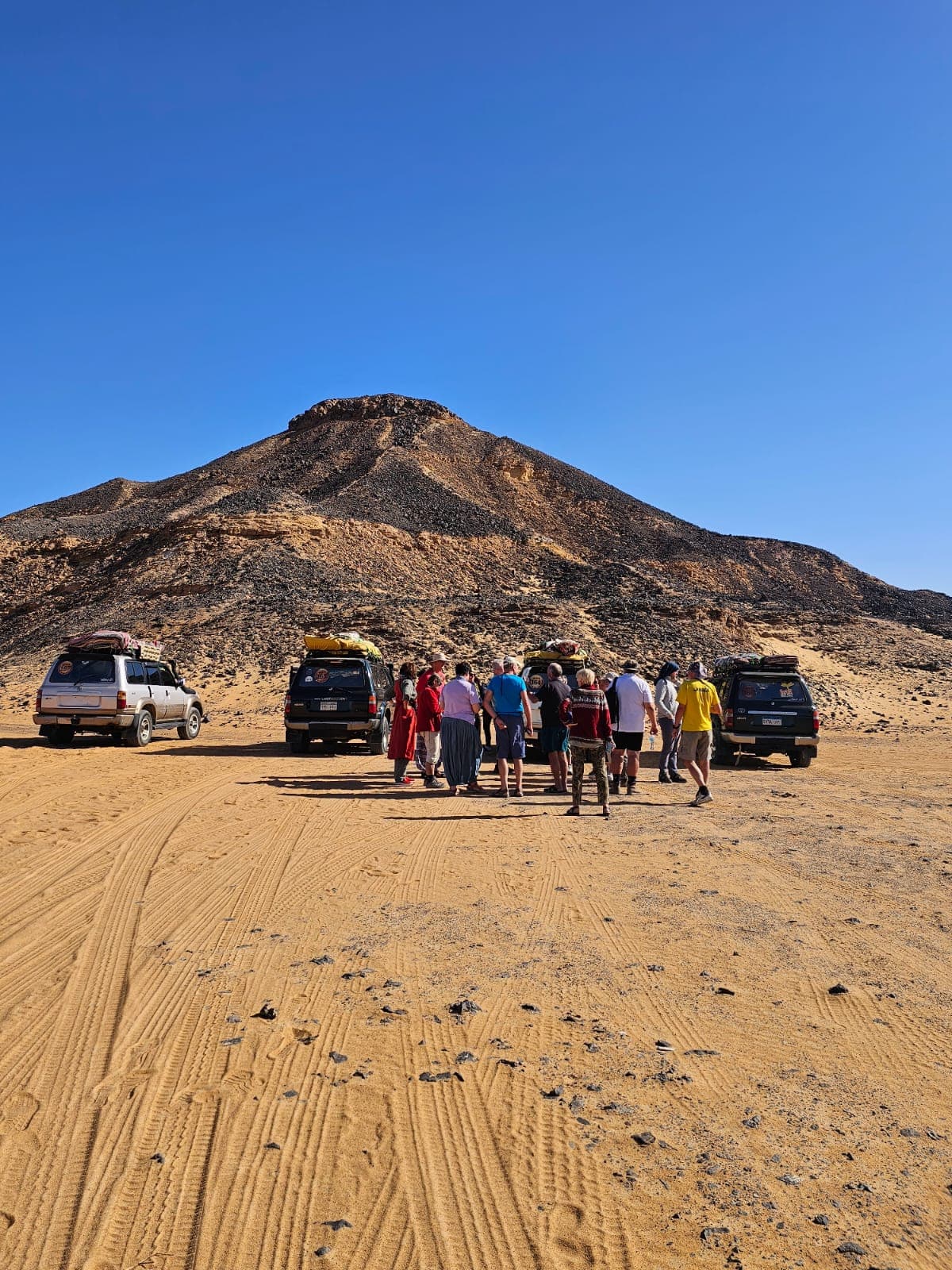
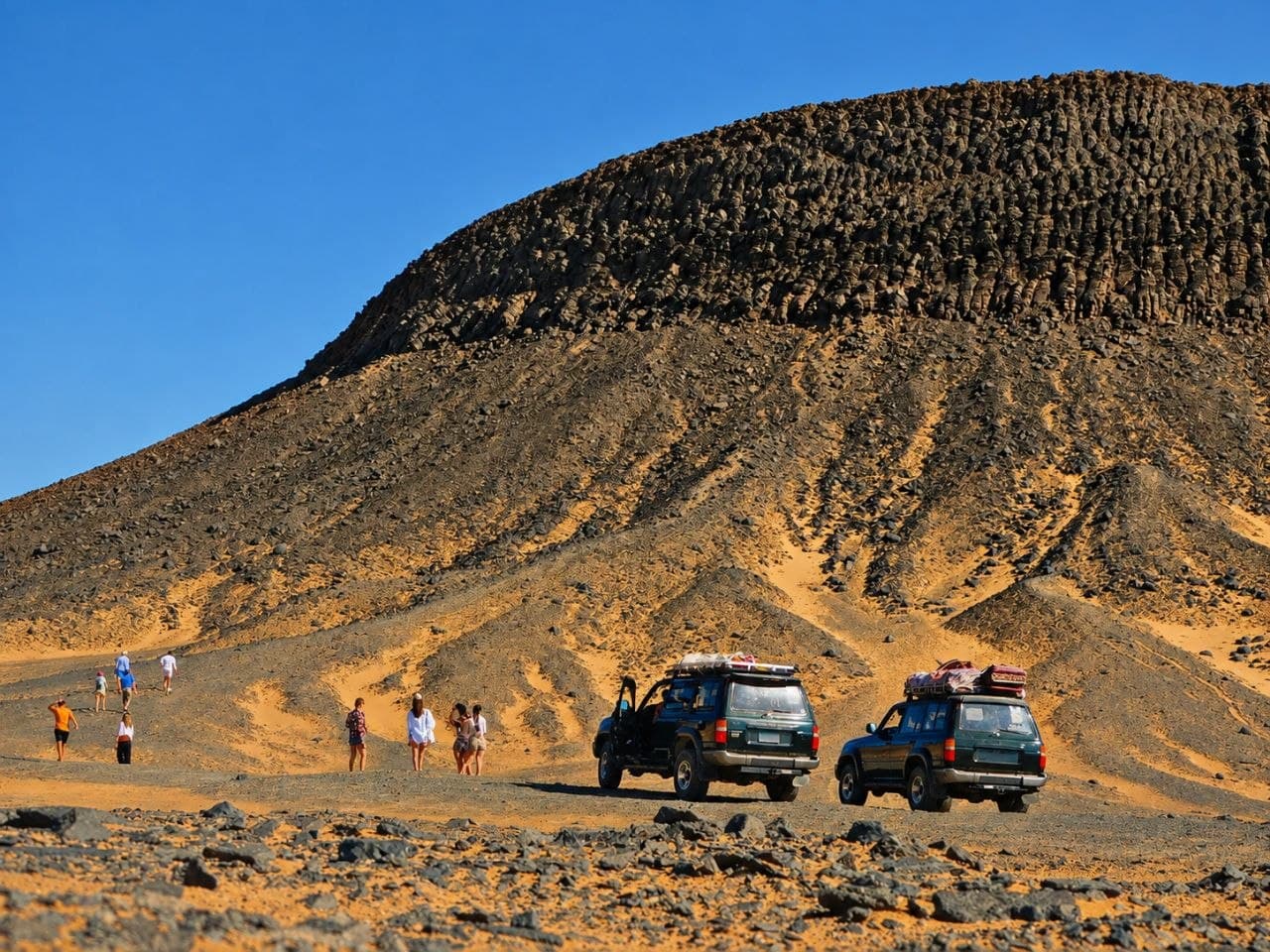
5. Black Desert Volcanic Cones
Dark basalt-topped conical hills set against expansive skies, offering striking sunrise silhouettes against the luminous eastern horizon.
Essential Gear for Egypt Desert Photography
Camera Bodies:
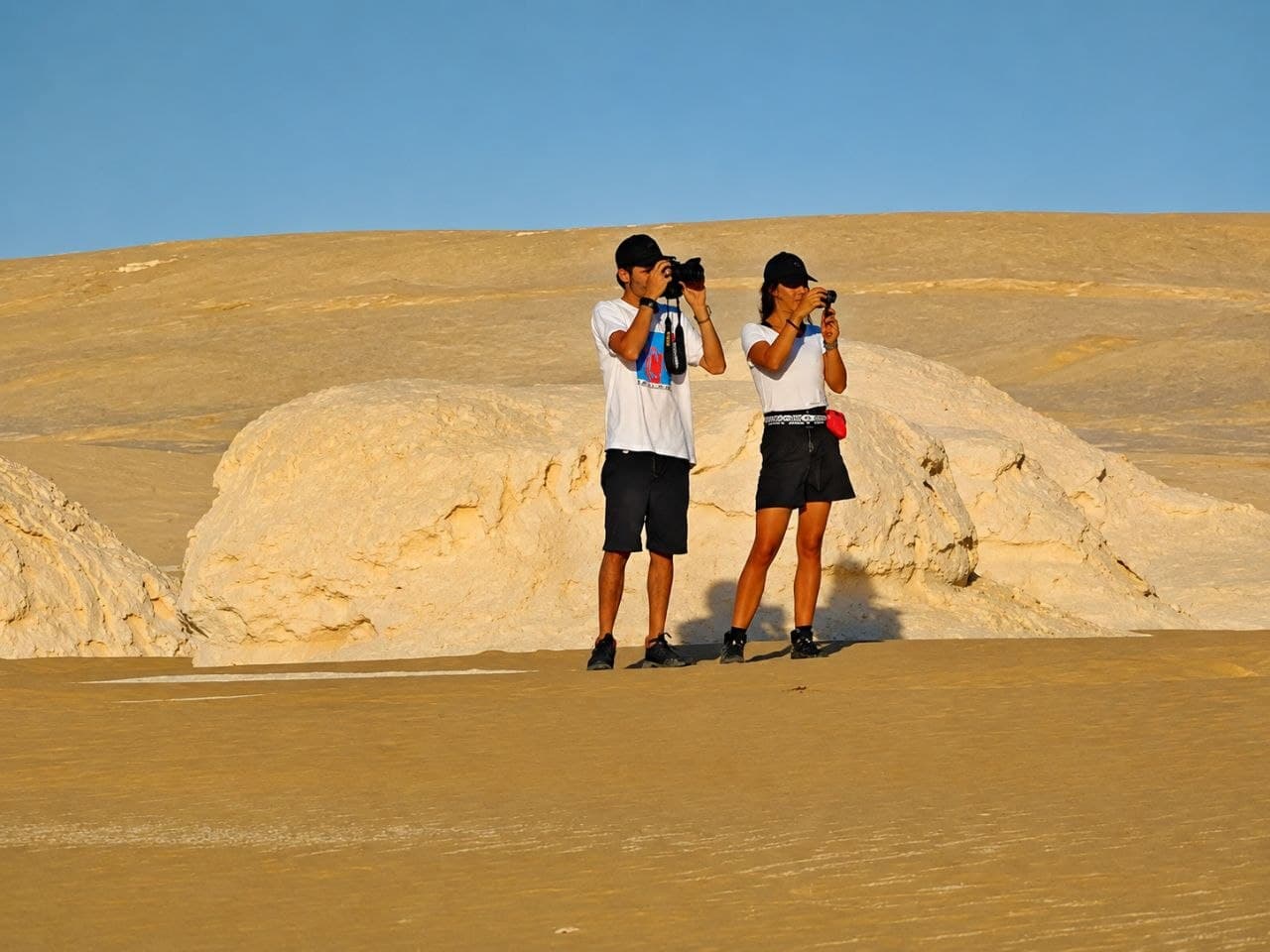
- Full-Frame DSLR or Mirrorless: Provides superior dynamic range and ultra-clean high-ISO performance for high-contrast desert scenes.
- Crop-Sensor Bodies: Fully capable of capturing professional landscape images across the White Desert.
- Smartphones with Pro/Manual Controls: Excellent for daylight behind-the-scenes and quick captures; limited for night astrophotography.
Lenses:
- Ultra-Wide Angle (14–35mm): Crucial for vast desert expanses and sweeping night skies.
- Standard Zoom (24–70mm): The primary workhorse for versatile landscape framing.
- Telephoto Zoom (70–200mm): Essential for compressing distant chalk formations and isolating geological abstracts.
- Macro Lens (Optional): Perfect for midday chalk textures and mineral details.
Crucial Accessories:
- Sturdy Tripod: Non-negotiable for blue hour exposures, panorama stitching, and night photography.
- Circular Polarizer (CPL): Cuts atmospheric glare, deepens blue skies, and enriches natural color saturation.
- Graduated ND Filter (2-Stop Soft): Balances bright sunrise/sunset horizons against foreground chalk.
- Lens Cleaning Cloths & Rocket Blower: Fine chalk dust penetrates everywhere during White Desert camping.
- Spare Batteries: Desert night chills deplete lithium power rapidly.
- High-Capacity Memory Cards: Always shoot uncompressed RAW.
- Red-Light Headlamp: For moving around camp without impairing night-adapted vision.
What to Leave Behind:
- Drones: Regulated within the National Park; confirm permissions prior to travel.
- Bulky Studio Lighting: The natural desert sun and moonlight provide all the illumination you need.
- Excessive Heavy Hard Cases: 4x4 luggage capacity on an Egypt desert tour is limited.
Structure of a Photo-Centric White Desert Safari
Standard Egypt desert tour day trips visit the White Desert at midday — the worst possible light. A specialized photography safari with Bedouin Trails follows a radically different structure:
- Day 1: Morning departure from Cairo, arriving in the White Desert by 3:00 PM. Scouting sunset locations, shooting the golden hour and blue hour, sunset dinner, setting up night astrophotography, overnight camping.
- Day 2: Pre-dawn wake-up, shooting morning golden hour, relaxed midday break with optional macro photography. Relocating to a new evening location for golden and blue hour sessions, followed by a second night of astrophotography.
- Day 3: Final dawn photo shoot, followed by a scenic drive back to Cairo by evening.
This itinerary yields 4 golden hours, 2 blue hours, and two full nights of dedicated Egypt desert photography, compared to barely 30 minutes of usable light on a standard day tour.
Best Months for Egypt Desert Photography
- Peak Months (December, January, February): Low solar elevation, long shadows, crisp air, minimal atmospheric haze, and comfortable White Desert camping conditions.
- Excellent (November, March): Slightly higher sun angles, pristine skies, and fewer travelers.
- Good (October, Late April): Narrower golden hour windows, but strong overall photographic potential.
- Avoid (May – September): Harsh overhead sun, severe midday heat shimmer degrading telephoto clarity, and uncomfortable overnight conditions.
Combining Photography with Other Desert Expeditions
- Photography + Multi-Day Desert Trekking: Slow-paced walking reveals angles invisible from a 4x4 vehicle.
- Photography + Camel Trekking Egypt: Traditional camel caravans add timeless narrative depth to landscape compositions.
- Photography + Bahariya Oasis Tour: Introduces authentic mudbrick architecture and lush palm groves to your portfolio.
- Photography + Stargazing Expeditions: The ultimate pairing for landscape astrophotographers.
FAQ
Is the White Desert suitable for photographers of all skill levels?
Yes. Beginners capture breathtaking images immediately because the landscape itself is extraordinary, while advanced photographers can push technical boundaries in dynamic range and astrophotography.
Should I shoot in RAW or JPEG for Egypt desert photography?
Always shoot in RAW. The immense dynamic range of desert light — from deep chalk shadows to blinding sand highlights — demands RAW files for highlight recovery and shadow lifting in post-processing.
Can I fly a drone during a White Desert safari?
Drone operations inside Egypt's National Parks are strictly regulated and require specialized permits. Always verify current regulations with Bedouin Trails before bringing a drone.
What are the most photographed rock formations in the White Desert?
The Mushroom Rock cluster, the Agabat valley, and the isolated limestone towers are the top three focal points. Your guide will also lead you to secret, lesser-known rock monoliths.
How much camera gear can I bring on an Egypt safari tour?
Gear is limited only by 4x4 vehicle space. Most visiting photographers bring one or two camera bodies, 2–3 lenses, a sturdy tripod, and a compact accessory bag. Pack efficiently.
Can I bring a motorized star tracker for astrophotography?
Yes, highly encouraged for dedicated night-sky shooters. The pristine darkness of Western Desert Egypt produces exceptional deep-sky results. Notify Bedouin Trails in advance so we can tailor campsite positions.