Dakhla Oasis in Egypt: The Ancient Western Desert Oasis
Beyond the White Desert and past Farafra, deep in Egypt's Western Desert, lies Dakhla Oasis: a vast green depression of date palm groves, Roman temples, medieval mudbrick towns, and some of the most welcoming people you will meet anywhere in Egypt.
Located roughly 10 hours by road from Cairo, Dakhla is rarely visited by international tourists, yet it is quietly one of the most rewarding oases in the country.
Where Siwa has fame and Bahariya has proximity and scale, Dakhla has genuine authenticity. Its ancient town of Al-Qasr is among the finest preserved medieval Islamic villages in Egypt, while its Roman temples and Christian monastic remains bear witness to thousands of years of continuous history. This is the oasis for travelers seeking a slower, deeper, and more authentic Egyptian experience.
Where is Dakhla Oasis Located?
Dakhla is the third of the southern Western Desert oases, situated between Farafra to the northwest and Kharga to the southeast. It lies approximately 350 km south of the White Desert and about 800 km from Cairo. The depression stretches about 80 km in length, with a population of around 80,000 residents distributed across two main towns—Mut, the modern administrative capital, and Al-Qasr, the historic medieval town—alongside dozens of smaller farming villages.
Geologically, Dakhla sits on the edge of a massive underground Nubian Sandstone aquifer that has fed the oasis with natural freshwater springs for millennia. This natural fertility supports extensive date palm plantations, olive groves, fruit orchards, and seasonal agricultural crops.
Bedouin Trails Tip: Dakhla is best visited in combination with Kharga Oasis and the Cairo–Luxor overland desert route. Visiting Dakhla on its own from Cairo requires a long round-trip drive that is hard to justify for a single oasis. However, as part of an extended 7–10 day Western Desert expedition, it is truly unbeatable. Check out our Cairo to Luxor via the Western Desert route guide for the complete itinerary.
How to Get to Dakhla Oasis
Dakhla is remote, and while there is no shortcut, several practical overland routes exist:
- From Cairo via Bahariya and Farafra: Around 10 hours of direct driving, usually split into a relaxed 2-day journey with an overnight stop in Bahariya Oasis or camping in the White Desert.
- From Luxor via Kharga Oasis: Approximately 6 hours northwest across the Western Desert highway. This route is ideal for travelers crossing the desert from Cairo to Luxor rather than taking a backtracking round-trip.
- By Air: Very limited and unreliable. A small airstrip in Dakhla occasionally handles domestic flights from Cairo via Kharga, but flight schedules change frequently and are not dependable for regular travel planning.
Top Things to See in Dakhla Oasis
1. Al-Qasr (The Medieval Islamic Town)
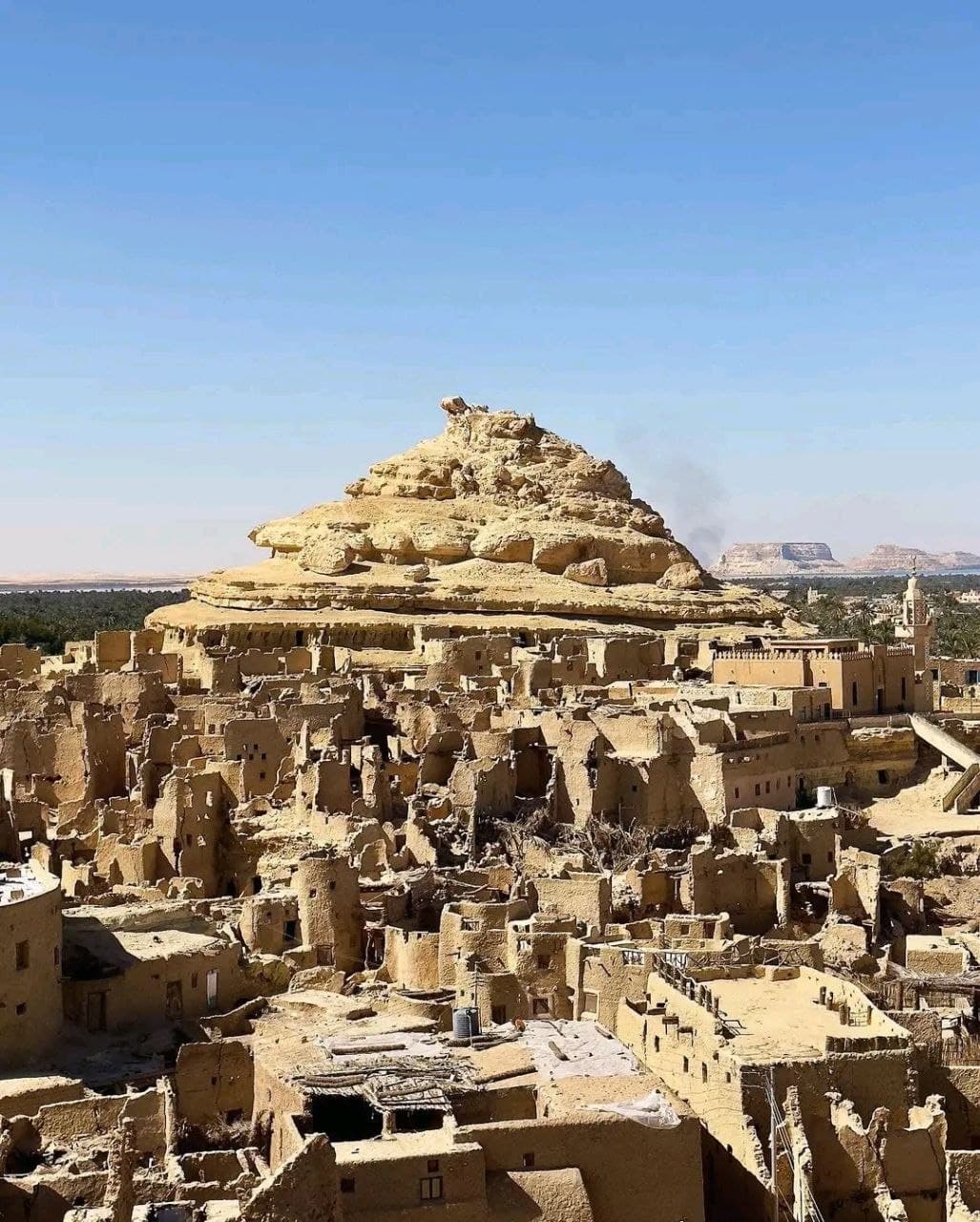
The undisputed crown jewel of Dakhla. Al-Qasr is an exceptionally well-preserved medieval Islamic town built almost entirely from sun-dried mudbrick. It features narrow covered alleyways, multi-story traditional houses, a 12th-century wooden-minaret mosque, ancient olive oil presses, and grain mills. Much of the old town remains intact and partially inhabited. Walking through its maze-like shaded alleys feels like stepping onto a living movie set. Plan for at least 90 minutes; hiring a local guide enriches the visit tremendously.
2. Deir El-Hagar (The Roman Temple)
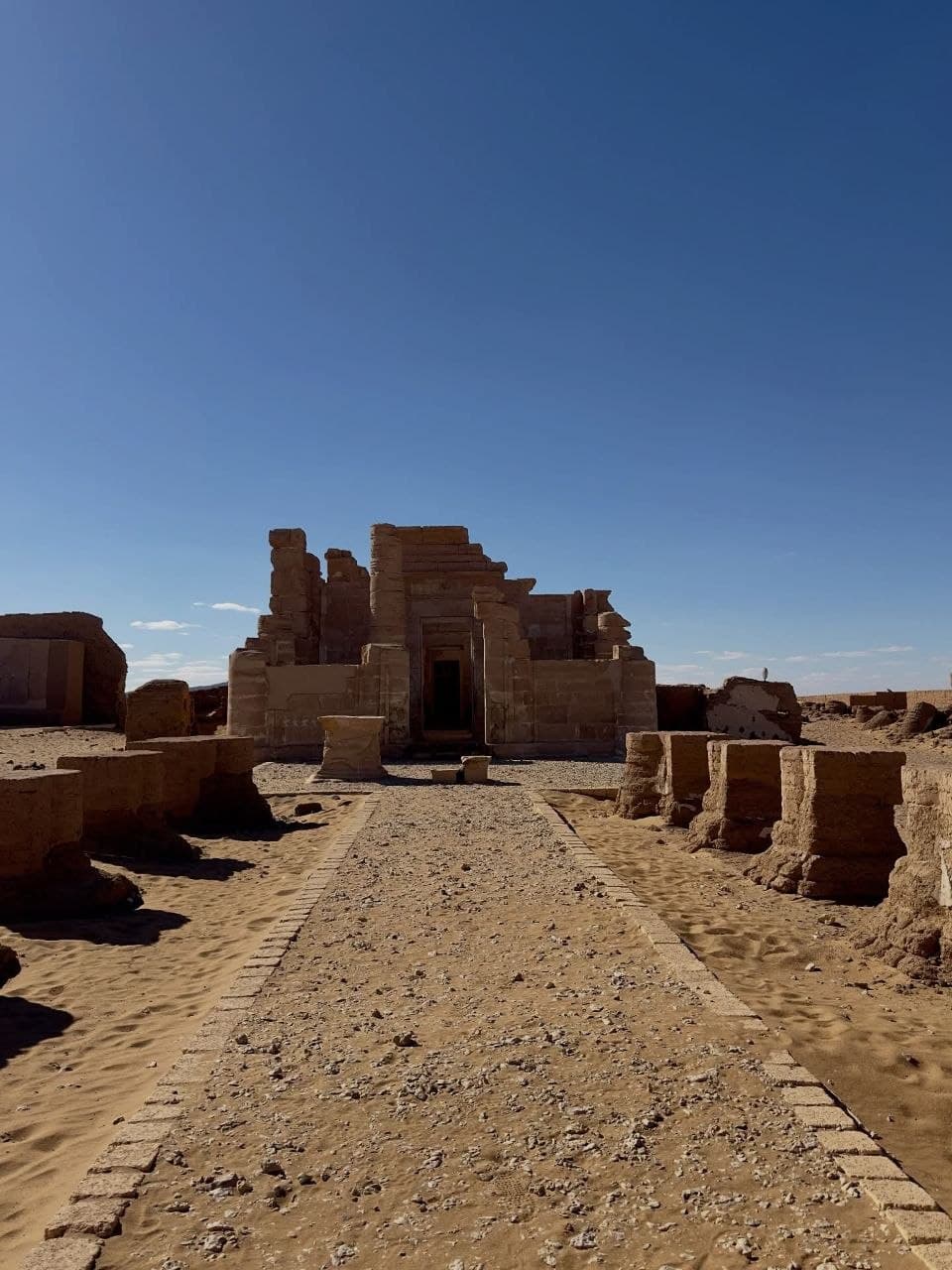
A beautifully preserved sandstone Roman temple dedicated to the Theban Triad (Amun-Ra, Mut, and Khonsu), built during the reigns of Emperors Nero, Vespasian, and Domitian in the 1st century AD. Carefully restored in the 1990s, the temple stands complete with vivid carved reliefs and hieroglyphic inscriptions, ranking among the best-preserved Roman monuments in Egypt's deserts.
3. Muzawaka Tombs
Rock-cut tombs dating back to the Greco-Roman period, renowned for their colorful wall murals that blend classical Roman and traditional ancient Egyptian artistic styles. The tombs of Petosiris and Petubastis are accessible to visitors, and their original pigments remain strikingly vivid after more than 2,000 years.
4. Mut (The Modern Capital)
The bustling administrative and commercial heart of Dakhla, offering lively local markets, traditional eateries, and convenient access to nearby thermal springs. Spending half a day here offers an authentic look at modern everyday oasis life.
5. Thermal Hot Springs
Numerous natural thermal sulfur springs bubble up across the oasis basin. Mut Talata (Mut 3) and Bir Al-Gebel are the most accessible and popular spots. With water temperatures ranging from 35°C to 45°C, they provide a deeply soothing soak during cooler winter months.
6. Palm Groves and Traditional Olive Presses
Dakhla's date palm groves are among the lush and picturesque in Egypt, stretching continuously for miles against golden desert cliffs. Small artisanal olive presses operate throughout the autumn harvest, welcoming travelers to observe traditional cold-pressing methods.
The Unique Culture of Dakhla
Much like Siwa, Dakhla possesses a distinctive cultural heritage, although Arabic is the native language spoken here (unlike Siwa's Berber/Amazigh language). The vernacular architecture, regional costumes, and local cuisine all reflect generations of oasis self-sufficiency. Date production is central to daily life, olive oil milling remains a cornerstone local industry, and the warm, slow-paced hospitality of the locals leaves a lasting impression on visitors.
If you are drawn to the authentic rhythm of rural Egyptian life—bustling souks, village mosques, doorstep conversations, and artisan crafts—Dakhla delivers an experience richer than almost any other oasis in the country.
Where to Stay in Dakhla Oasis
Accommodations in Dakhla are charming, authentic, and unpretentious. Standout options include the Desert Lodge, an eco-friendly mudbrick property perched on a cliffside with breathtaking panoramic views over the oasis and desert escarpment. There are also cozy family-run guesthouses near Al-Qasr and clean, simple budget hotels in Mut. Mid-range rooms typically cost between $30 and $80 per night, with basic budget guesthouses available for less.
Best Time to Visit Dakhla Oasis
The ideal travel window spans from October to April, matching the Western Desert season. Daytime temperatures range pleasantly between 18°C and 28°C, while evenings are crisp and cool. Summers (June to August) are extremely hot, with temperatures regularly surpassing 40°C, making extensive outdoor exploration uncomfortable.
Late October through early March is the absolute sweet spot. Visiting during the olive harvest (October–November) or the date harvest (September–October) adds an extra cultural dimension to the trip.
Suggested 3-Day Dakhla Itinerary
- Day 1: Arrival & Historic Al-Qasr: Arrive from Farafra or the White Desert, check into your lodge, enjoy an afternoon guided walking tour through medieval Al-Qasr, watch the sunset over the mudbrick rooftops, and dine at your lodge.
- Day 2: Temples, Tombs & Local Oasis Life: Spend the morning exploring Deir El-Hagar Roman Temple and the Muzawaka Tombs. Enjoy lunch at a local restaurant in Mut, followed by an afternoon dip in the Mut 3 thermal springs and a walk through the date palm groves.
- Day 3: Journey Onward: Continue south toward Kharga Oasis (3 hours) if completing the Cairo–Luxor desert crossing, or head north back toward Farafra and Cairo.
FAQ
Is Dakhla Oasis worth visiting?
Yes, especially as part of a comprehensive Western Desert overland journey. Traveling solely to Dakhla from Cairo requires a significant drive for a standalone destination, but as a highlight of a 7–10 day desert expedition, it is an extraordinary stop.
Is Dakhla Oasis safe for tourists?
Yes, Dakhla is very safe. Like the other main Western Desert oases, it is a peaceful, tightly-knit agricultural community with no security concerns for international travelers.
How long should I spend in Dakhla?
A stay of 1 to 2 nights is ideal to explore all major historical sites and experience the serene oasis atmosphere without rushing.
Can I visit Dakhla on a self-drive road trip?
While roads are fully paved, long distances between fuel stations and limited roadside services make self-driving challenging without local desert driving experience. A private guided tour with a professional driver is strongly recommended.
How does Dakhla compare to Siwa Oasis?
Both are enchanting, remote Western Desert oases, but they differ culturally. Siwa has an indigenous Berber (Amazigh) heritage, whereas Dakhla is entirely Arabic-speaking with its own deep-rooted oasis agricultural traditions. Both are well worth visiting for distinct perspectives on desert life.