Bahariya Oasis in Egypt: The Comprehensive Guide to the Gateway of the Western Desert
Nearly every traveler heading to the White Desert passes through Bahariya Oasis, but most barely look around. They eat lunch at the same restaurant, switch to 4x4 vehicles, and head south toward the chalk formations they came to see. This is a shame, because Bahariya itself is one of the most intriguing and culturally rich oases in the Western Desert, complete with hot springs, a museum filled with Golden Mummies, palm groves stretching to the horizon, and an unhurried rhythm that feels worlds away from Cairo.
This guide is for the traveler who wants to experience Bahariya properly: either as a destination in its own right, or as a meaningful first or last stop on a desert safari into the White Desert and beyond.
Where is Bahariya Oasis Located?
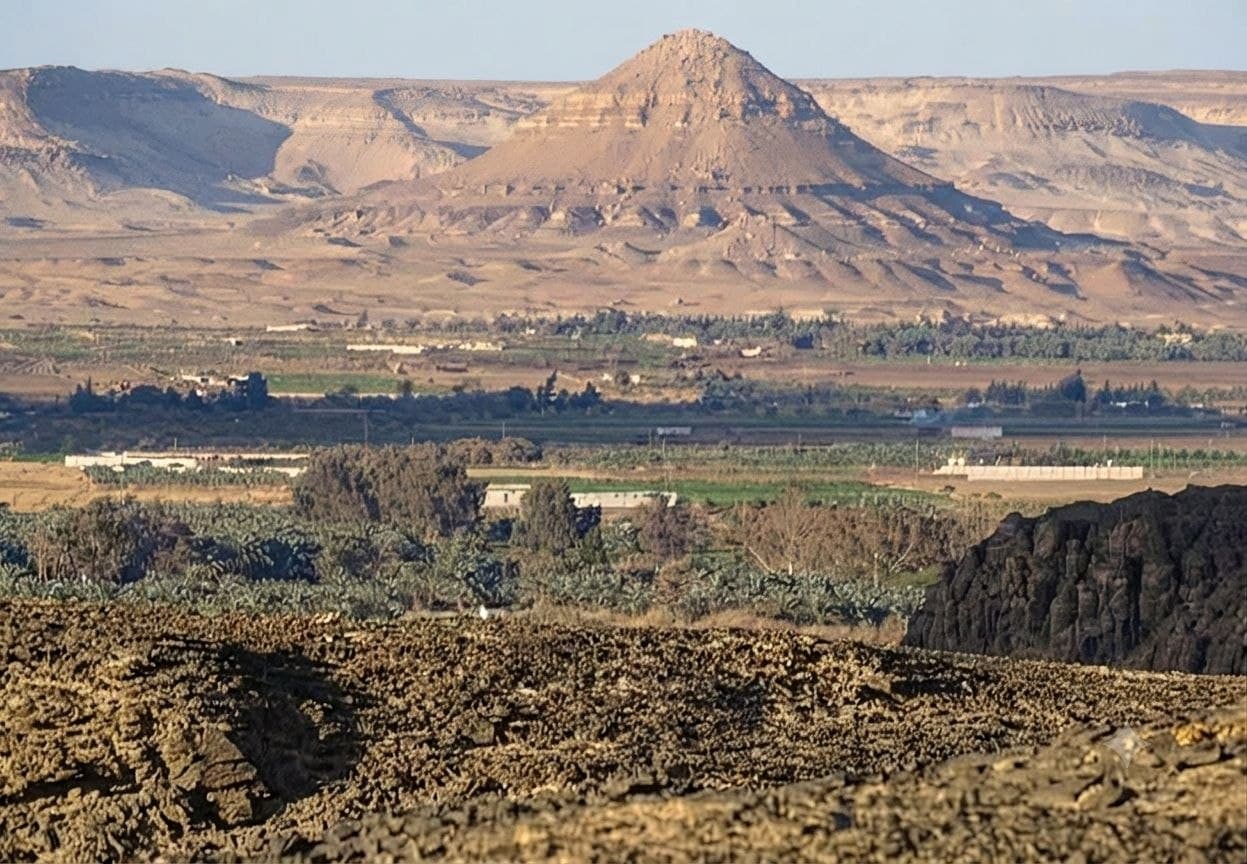
Bahariya Oasis lies in a massive depression roughly 360 km southwest of Cairo, in the heart of Egypt's Western Desert. The main town is Bawiti, with smaller villages scattered throughout the surrounding palm groves. The oasis is approximately 94 km long and 42 km wide, supporting a population of about 30,000 residents.
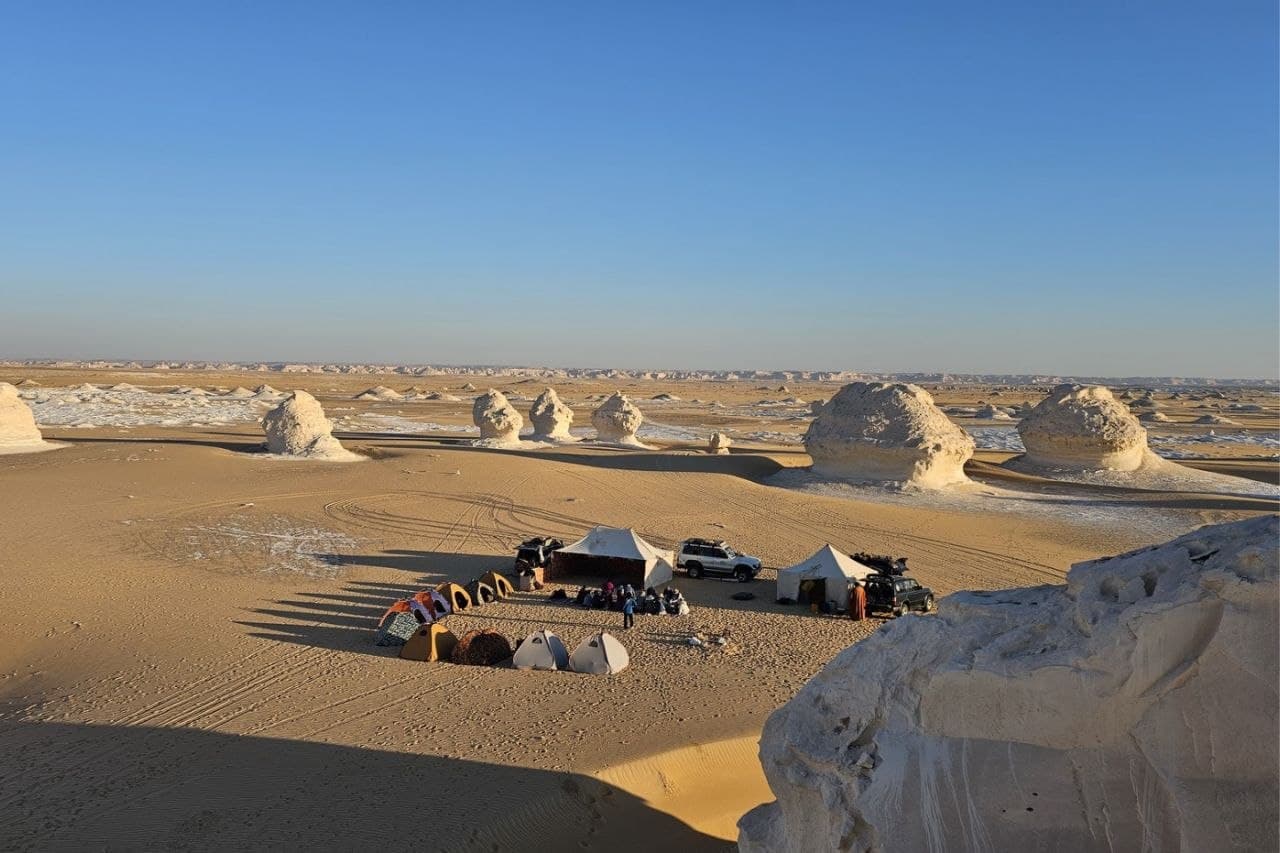
Bahariya is the closest Western Desert oasis to Cairo (about 4 hours by road), making it the logical first stop for any Western Desert expedition. From Bahariya, the Black Desert is 30–45 minutes south, Crystal Mountain another hour beyond, and the White Desert 1.5–2 hours further.
Bedouin Trails Tip: Don't just bypass Bahariya on your way to the White Desert. Plan to arrive by midday, have lunch in the oasis, visit the Golden Mummies Museum, take a quick dip in a hot spring, and then continue south to camp in the White Desert. It adds 2–3 hours to your day and enriches the journey dramatically.
A Brief History of Bahariya
Bahariya has been continuously inhabited for at least 5,000 years. During the Pharaonic era, it was a vital agricultural hub producing wine, dates, and olives for the Nile Valley cities. Several pharaonic temples and tombs have been unearthed across the area.
Under Greco-Roman rule, Bahariya flourished into a wealthy and cosmopolitan oasis. The 1996 discovery of the Valley of the Golden Mummies—more than 250 gilded mummies from this era—confirmed just how prosperous the oasis was during Roman times.
Today, Bahariya blends traditional oasis agriculture (dates, olives, palm products) with tourism, desert safaris being the largest contributor to the local economy.
Highlights of Bahariya
- 1. Golden Mummies Museum: The headline attraction. The Valley of the Golden Mummies was discovered in 1996 when a donkey stumbled into a tomb shaft. Subsequent excavations revealed over 250 Greco-Roman mummies, many adorned with gilded masks and intricate cartonnage. A curated selection is displayed in the small but excellent local museum in Bawiti. Allow 45–60 minutes. Modest entrance fee.
- 2. Tombs of the Nobles: Several rock-cut tombs dating back to the 26th Dynasty (c. 600 BC) are located in the hills surrounding Bawiti. The most famous is the Tomb of Bannentiu, decorated with vivid wall reliefs of Egyptian deities. Open to visitors accompanied by a guide.
- 3. Temple of Alexander the Great: A small yet historically significant temple built during Alexander’s brief presence in Egypt (c. 332 BC), situated a few kilometers outside Bawiti. It is the only known temple in Egypt dedicated to Alexander. Modest in scale, but wonderfully atmospheric.
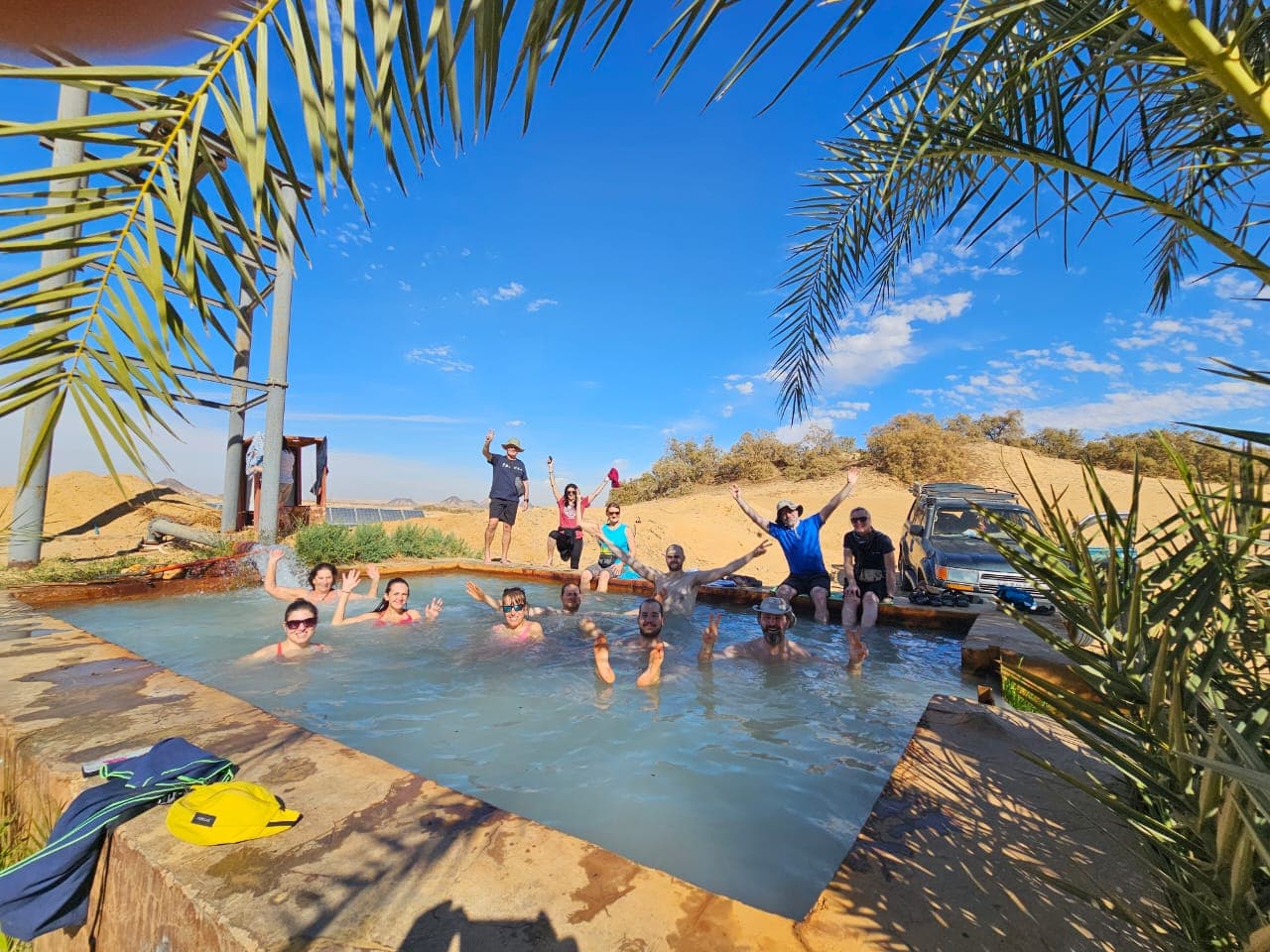
- 4. Hot Springs: Bahariya boasts dozens of natural thermal springs scattered across the oasis, with water temperatures ranging from 25°C to 45°C. Some are developed with simple basins and changing facilities; others are wild and open. Bir Al-Matar and Bir Sigam are among the most accessible. A short soak (10–20 minutes) provides a wonderful contrast to the desert heat.
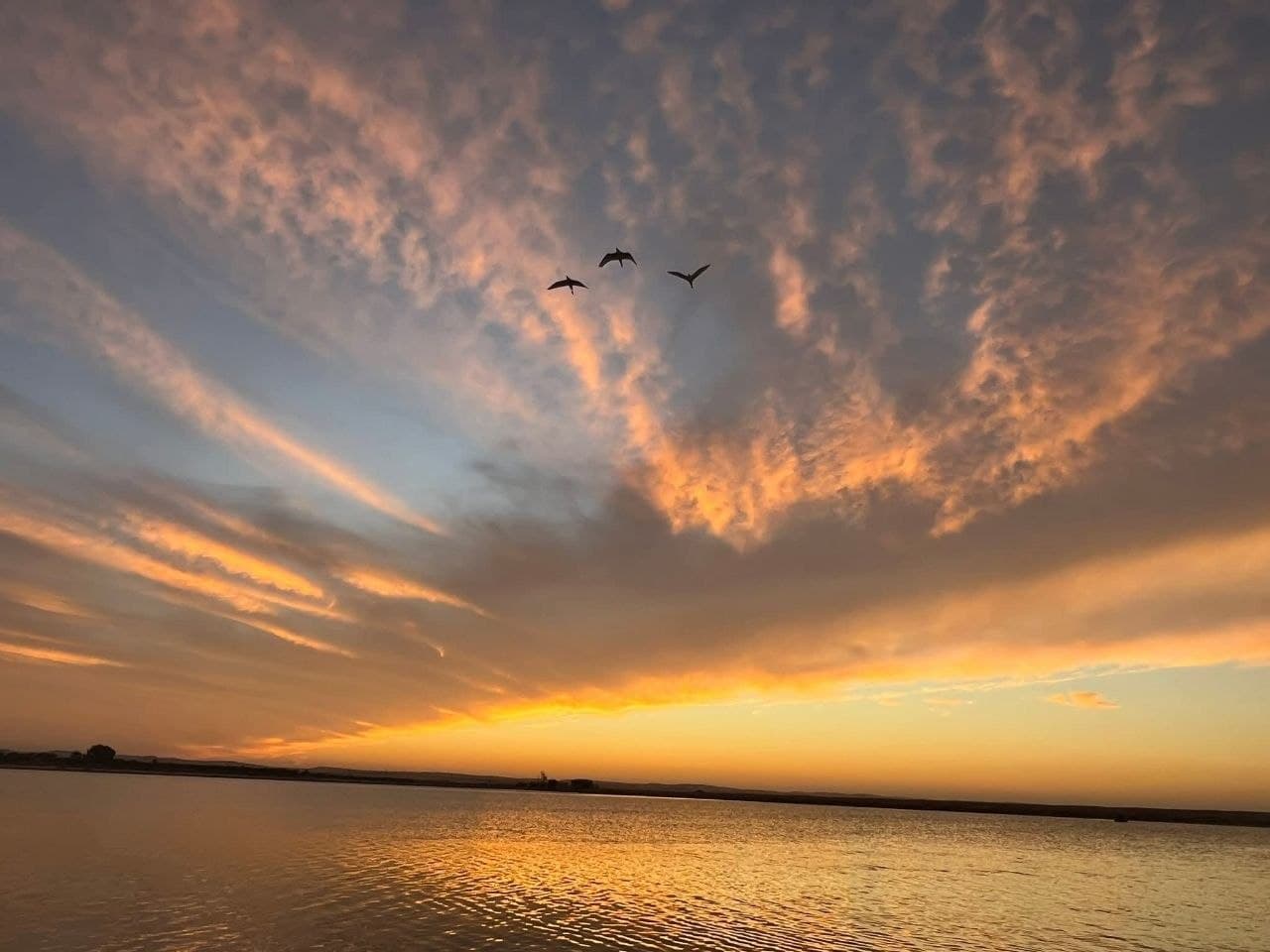
- 5. Salt Lake (Bahariya): A small saline lake on the oasis rim, bordered by a striking white salt crust. Less famous than Siwa's salt lakes, but well worth a quick visit.
- 6. Palm Groves: The oasis is filled with lush groves of date palms and olive trees. Walking through them in the late afternoon—the air thick with the scent of dates and dust, the sounds of children and birds—is one of the simple pleasures of visiting Bahariya. Several eco-lodges are nestled right within the groves, offering this serene atmosphere daily.
- 7. English Mountain (Gebel Al-Ingleez): A volcanic hill roughly 12 km from town, used as an observation outpost by British troops during World War I. The hike is moderate (25–35 minutes) and rewards you with panoramic vistas over the oasis and the start of the Black Desert. Consult the Black Desert Guide for more details.
Bahariya as the Gateway to the White Desert
For most travelers, Bahariya serves as the launchpad for desert adventures further south. Virtually every White Desert safari sets off from here. The infrastructure reflects this role:
- Vehicle Transfer: Standard highway cars from Cairo transfer luggage and passengers into rugged 4x4 desert vehicles in Bahariya for the off-road legs.
- Provisions: Food, drinking water, fuel, and last-minute supplies are all loaded here. Beyond Bahariya, there is practically nothing until you reach Farafra.
- Guide Handover: Local Bedouin desert guides typically join tours in Bahariya, bringing deep knowledge of the changing terrain and dunes.
- Last Lunch / First Dinner: Many itineraries schedule a meal stop here as a pleasant buffer between Cairo and the deep wilderness.
If you book a White Desert safari with Bedouin Trails, all of this is seamlessly coordinated, but understanding Bahariya's pivotal role helps appreciate why it is the cornerstone of any Western Desert itinerary.
Where to Stay in Bahariya
Bahariya offers a spectrum of accommodations, ranging from rustic guesthouses to truly charming eco-lodges nestled among date palms. Most accommodations are centered in or around the town of Bawiti. Notable options include traditional mudbrick lodges with gardens and plunge pools, intimate family-run guesthouses near hot springs, and a few mid-range town hotels.
For extended desert expeditions, Bedouin Trails arranges Bahariya stays as part of multi-day itineraries, either before or after desert wild camping. We match you with a lodge that fits your preferences and comfort level.
Food in Bahariya
Oasis cuisine centers on dates, olives, olive oil, and fresh seasonal vegetables. Typical dishes include grilled chicken served over fragrant rice, vegetable tagines, lentil soup, and freshly baked Egyptian flatbread. Most lodges serve home-style meals, and several independent eateries operate in Bawiti.
Be sure to sample local dates—Bahariya is renowned for several distinct cultivars. Also, don't miss freshly pressed olive oil from local mills if you visit during the harvest season (October to November).
Best Time to Visit Bahariya
Like the rest of the Western Desert, the optimal window is October through April. Daytime temperatures hover between 18°C and 28°C, perfect for exploring the oasis, hiking, and continuing deeper into the desert. The natural hot springs are especially delightful during cooler evenings. Avoid June through August, when summer temperatures routinely exceed 40°C, making outdoor activities uncomfortable.
For detailed monthly weather patterns, consult the guide on the Best Time to Visit Egypt's Desert.
FAQ
Is Bahariya worth visiting on its own?
Yes. Spending 1–2 days in Bahariya apart from a desert safari delivers a wonderfully relaxed oasis experience with thermal springs, ancient archaeological sites, verdant palm groves, and excellent food. However, most travelers combine it with a White Desert tour for the most rewarding overall journey.
How much time should I spend in Bahariya?
Half a day if you are merely passing through to the White Desert; 1–2 nights if Bahariya is a focal destination. Adding an overnight stay before or after your safari gives the oasis the time it truly deserves.
Are the hot springs safe for swimming?
Yes. The springs are natural mineral pools used by locals for generations. Modest swimwear is recommended (some springs have dedicated women's hours, so ask locally). Temperatures vary by spring, so test the water before stepping in.
Can I see the Golden Mummies?
A curated selection is on display at the small museum in Bawiti. Many of the original 250+ mummies remain in secure storage or in situ within their original tombs (closed to the public for conservation). The museum is compact yet exceptional.
Are there ATMs in Bahariya?
There are a few ATMs in Bawiti, but their reliability varies and cash outages happen. Bring adequate cash in Egyptian Pounds (EGP) for your stay. Most desert tours are pre-paid, so cash is primarily needed for extra meals, souvenirs, and tips.