Is Egypt Desert Safe to Visit? Honest Answers from Expert Desert Guides (2026)
Is the Egypt desert safe to visit? It is one of the most frequent questions we receive from travelers considering a White Desert safari, an Egypt desert tour, or an extended multi-day desert expedition. The honest answer—from the Bedouin Trails team, who have operated Egypt safari tours across Western Desert Egypt every season for over 15 years—is yes, with practical caveats that every traveler should understand.
This guide covers every dimension of Egypt desert safety: security, vehicle standards, wildlife, weather conditions, food, water, and emergency procedures. No marketing fluff—just operator-grade answers.
The Short Answer: Is Egypt Desert Safe?
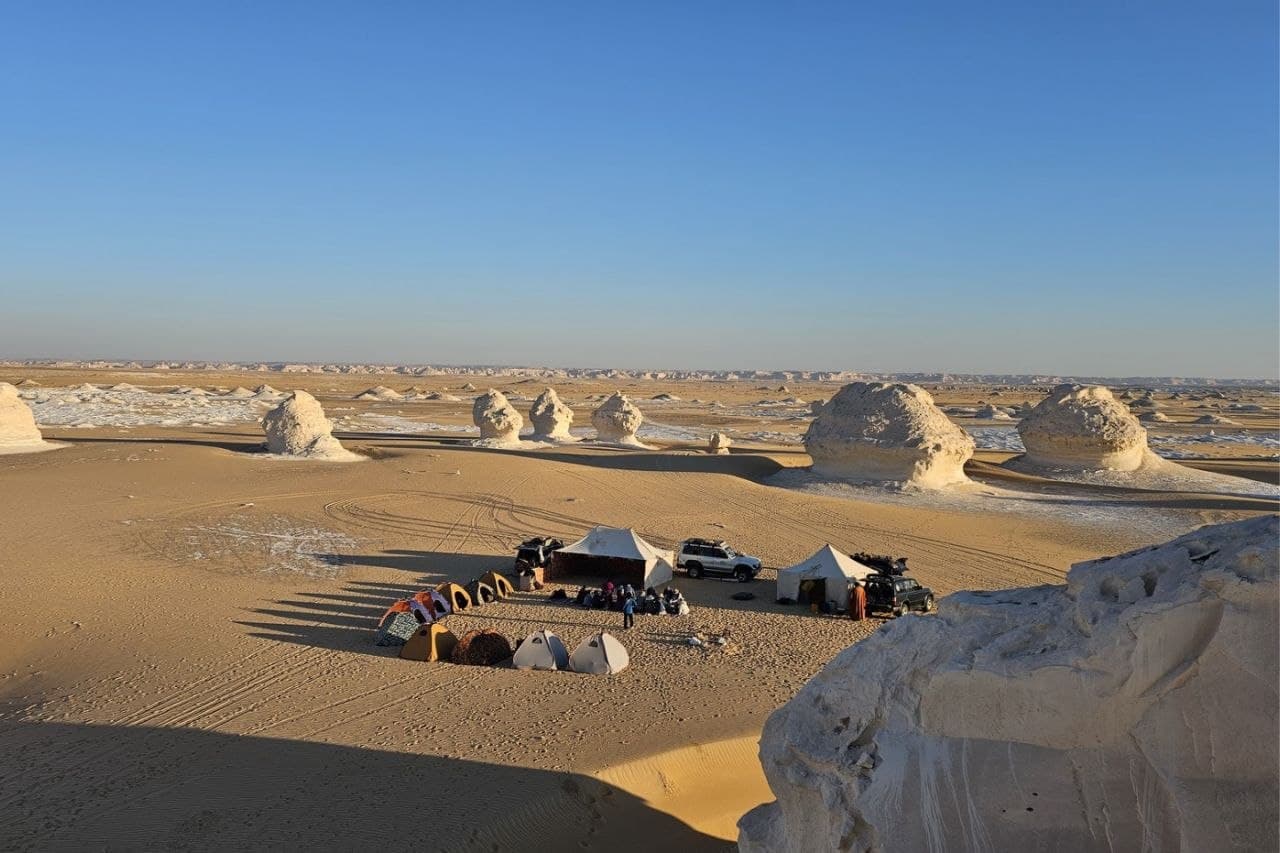
Yes. The Western Desert in Egypt, including White Desert National Park in Egypt, has an outstanding safety track record for tourism. Tens of thousands of travelers complete a White Desert safari or camel trekking in Egypt every season without incident.
The desert is safer than navigating Cairo traffic. It is safer than high-altitude alpine trekking in Europe. It is safer than urban tourism in almost any major metropolitan area. The actual risks that exist—dehydration, heat exhaustion, getting disoriented—are entirely manageable with a reputable operator and basic preparation.
Tip: The single biggest safety factor on any Egypt desert tour is operator quality. A reputable operator with experienced Bedouin guides eliminates 95% of theoretical hazards. Budget group tours that cut corners on vehicle maintenance, experienced drivers, and hydration supplies are where issues occur.
Security: Are There Terrorism or Crime Risks?
Western Desert Egypt—encompassing Bahariya Oasis, Farafra, and White Desert National Park—has recorded zero tourist-related security incidents for over 15 years. The Egyptian government treats desert security with the utmost seriousness: official checkpoints monitor all transit on the Cairo–Bahariya highway and along park entrances.
Safety concerns regarding Egypt often stem from past news coverage of the Sinai Peninsula (a completely separate geographic region hundreds of kilometers away). The Western Desert has consistently remained peaceful and sparsely populated. Local Bedouin communities have a profound vested interest in protecting sustainable tourism.
Petty crime during a White Desert safari is virtually zero. The desert is not an environment where opportunistic pickpockets operate. Standard urban precautions apply in Cairo hotels (use safe boxes, keep cash discrete), but out in Western Desert Egypt, you will experience remarkable serenity.
Vehicle Safety on Egypt Safari Tours
Historically, vehicle breakdowns or accidents—not crime or wildlife—represent the primary operational risk on any Egypt desert tour. Key factors to evaluate:
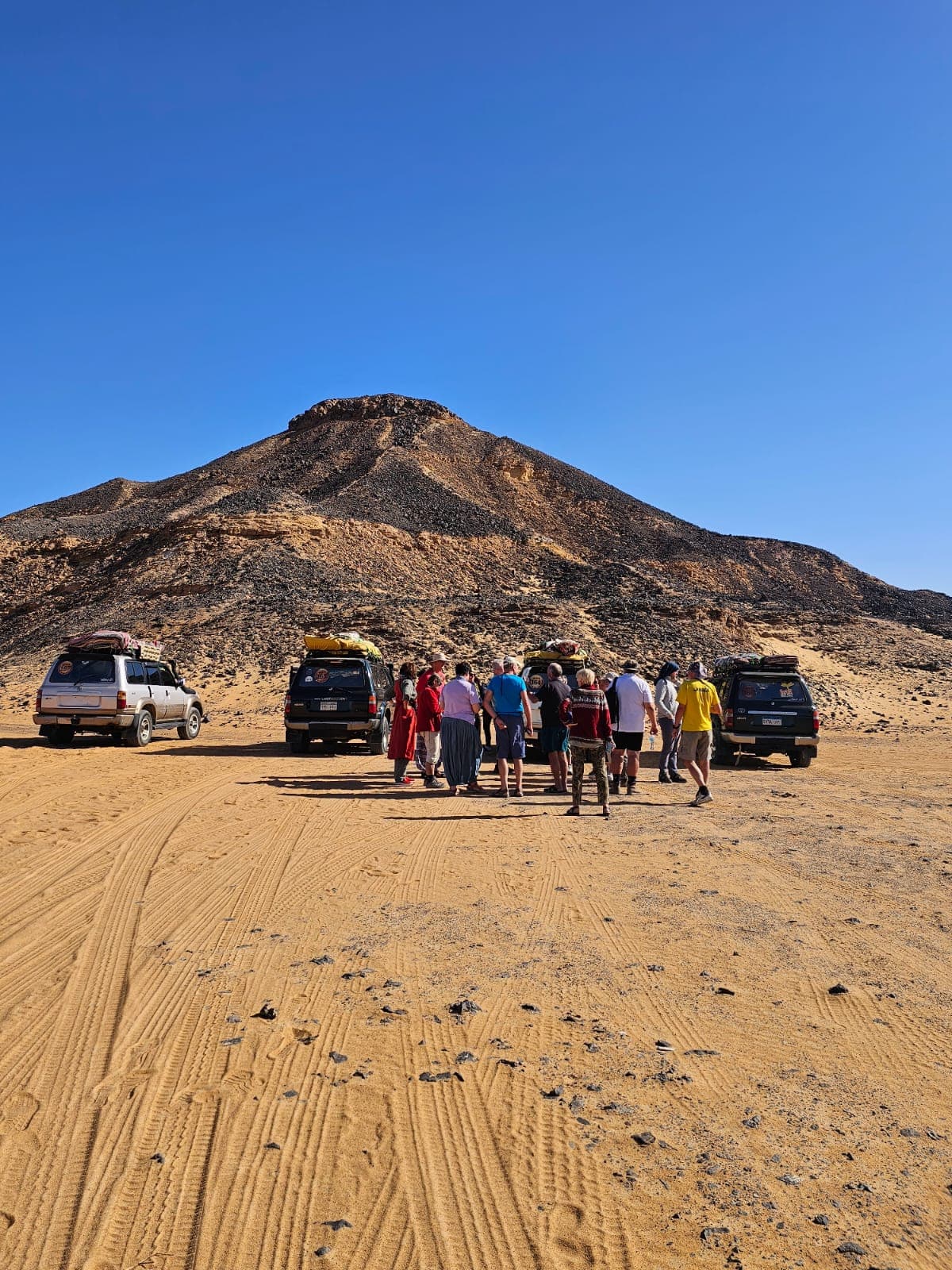
- Vehicle Type: Toyota Land Cruisers are the gold standard for desert terrain. Other 4x4 models work well if meticulously maintained. Avoid budget outfits utilizing light SUVs or aging vehicles.
- Driver Experience: Local Bedouin drivers know the dunes, soft sands, and chalk formations intimately. Drivers dispatched from Cairo without desert experience are a major red flag.
- Vehicle Maintenance: Rigorous maintenance schedules are vital. Do not hesitate to ask your tour provider about vehicle inspections.
- Two Vehicles for Remote Routes: Multi-day desert expeditions spanning 5+ days should always have a support/backup vehicle within reach. Bedouin Trails enforces this protocol on deep desert routes.
- Satellite Communication: For remote Egypt safari tours, emergency satellite communication devices are indispensable. Every Bedouin Trails expedition carries one.
Health and Heat Safety
The most tangible risk on a White Desert safari is extreme heat—but only if you travel during the wrong season. Western Desert Egypt regularly exceeds 45°C in the height of summer (June through August). This is genuinely hazardous, which is why reputable operators, including Bedouin Trails, suspend or strictly limit desert operations during mid-summer.
From October through April, the answer to whether the Egypt desert is safe is an unqualified yes—heat is not a severe hazard during these months.
- Dehydration is the most common issue: Drink 3–4 liters of water daily. Bedouin Trails supplies 4–5 liters per person per day on all Egypt safari tours.
- Sunburn and chapped lips: Pack SPF 50 sunscreen, a wide-brimmed hat, and SPF lip balm.
- Food safety: Food poisoning is extremely rare; meals are freshly prepared in camp using purified bottled water.
Wildlife and Insects
Western Desert Egypt hosts minimal dangerous fauna:
- Scorpions: Present in the broader desert ecosystem but exceptionally rare among the chalk formations where White Desert camping takes place. Shake out shoes in the morning as a standard precaution.
- Snakes: Strictly nocturnal and dormant during the winter high season. The horned viper exists in the region but is virtually never encountered by travelers.
- Insects: Largely absent. No mosquitoes (due to lack of standing water) and no biting flies during the cool months.
- Mammals: The iconic fennec fox occasionally approaches campsites at night looking for food scraps—they are completely harmless and shy.
Wildlife does not constitute an active safety concern on any Egypt desert tour we operate.
Weather Hazards
- Rainfall: Precipitation is extremely rare in Western Desert Egypt (under 5mm annually). Flash floods do not occur in the open chalk plateau of the White Desert.
- High Winds (Khamsin): Occasional spring sandstorms (March–April) can reduce visibility for 1–3 days. Our operations team tracks weather forecasts and adapts routes accordingly.
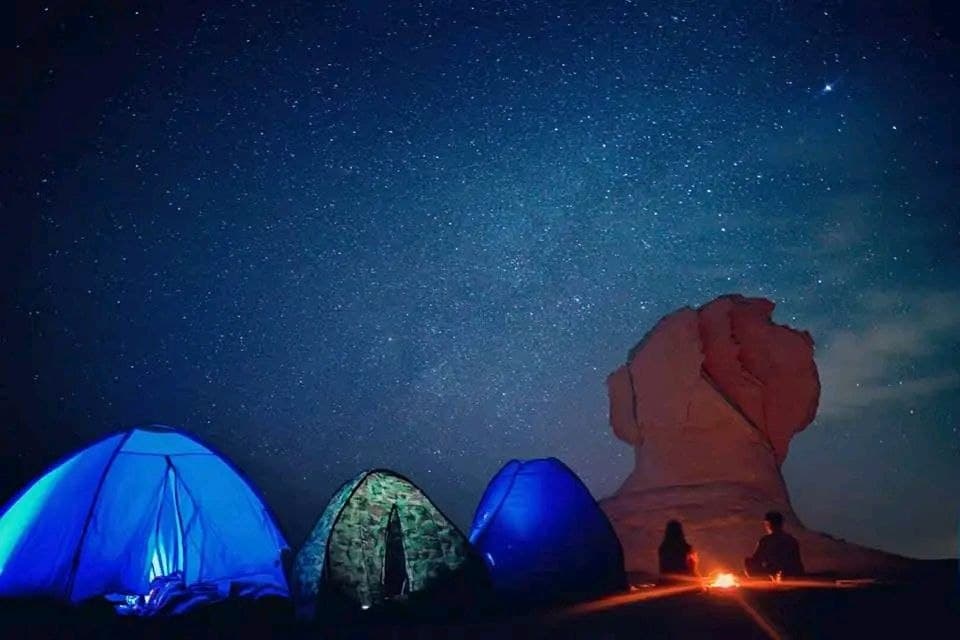
- Nighttime Cold: Winter night temperatures drop to 3–5°C, occasionally hitting 2°C in January. With adequate bedding and blankets provided, this is crisp and comfortable, not dangerous.
- Severe Storms / Lightning: Virtually non-existent in this geographical zone.
Cultural Considerations for Travelers
Egypt is a welcoming, moderate country. Key cultural tips for your journey:
- Dress Code: Modest clothing covering shoulders and knees is appreciated in oasis towns. Once inside the White Desert safari zone, functional outdoor comfort is the only rule.
- Photography: Always ask permission before photographing local residents, particularly women.
- Alcohol: Not widely available in oasis towns. Alcohol is not provided on Bedouin Trails tours, though guests may bring their own discreetly.
- Ramadan: May affect daytime food availability in towns (camp meals remain unaffected).
- Tipping (Baksheesh): Customary across Egypt. Plan $10–20 USD per person per day for the guiding and driving crew.
Is It Safe for Solo Travelers, Women, and Families?
- Solo Travelers: Absolutely. Private Egypt safari tours with Bedouin Trails are ideal for solo adventurers seeking tranquility in safe hands.
- Solo Female Travelers: Yes. Female travelers regularly book our White Desert safari and camel trekking in Egypt tours. Bedouin hospitality treats all guests with profound respect.
- Families with Children: Children aged 6+ thrive on 2-day White Desert camping trips—dunes, stars, and open spaces make it unforgettable.
- Senior Travelers (60s & 70s): Highly accessible. Vehicle-based safaris require minimal physical exertion, while camel trekking can be tailored to individual stamina.
FAQ
Is Western Desert Egypt impacted by terrorism?
No. The Western Desert has recorded zero terrorism incidents involving tourists for over 15 years. Concerns about Egypt typically refer to remote border or northern Sinai areas far away.
What happens in case of a medical emergency during a White Desert safari?
Bedouin Trails carries comprehensive first-aid kits and satellite communication on all tours. Evacuation routes to medical facilities in Bahariya (under 2 hours) are established and tested.
Is the drinking water provided on an Egypt desert tour safe?
Yes. We exclusively supply factory-sealed bottled mineral water (4–5 liters per person per day). Never drink from unverified local taps or oasis springs unless advised.
Is there a police presence in the desert?
Official checkpoints secure main highways and park entrances. Park rangers patrol the national park. Professional tour operators maintain full registration with tourism authorities.
What is the single most common safety issue on a desert safari?
Sunburn. Travelers frequently underestimate the strength of the Egyptian sun. Apply SPF 50 liberally throughout the day.
Do I need travel insurance for camel trekking in Egypt?
Yes. We always recommend comprehensive travel insurance that explicitly covers outdoor adventure activities and desert excursions.