
Fayoum in Two Days: Your Quick Escape from Cairo's Chaos
There's a specific kind of tired that only Cairo traffic can produce. It's not physical exhaustion — it's the slow mental static that builds up after weeks of car horns, construction noise, and the particular chaos of a city of twenty million people going about its business all at once. The usual advice is to book a flight somewhere and "get away." Fewer people realize the fix might be less than two hours down the road.
Fayoum doesn't get talked about the way the pyramids or the Red Sea coast do, and that's a little strange, because it has waterfalls, a massive desert lake, a petrified forest, and one of the most important fossil sites on the planet — all within a single short trip from the capital. It's the kind of place that locals in the know treat as a reliable weekend reset button, while most first-time visitors to Egypt never hear its name at all.
Why Fayoum Works as a Short Trip
Most of Egypt's major destinations ask for a real time commitment. Luxor and Aswan mean flights or long drives. The desert programs further west mean multiple days minimum just to make the distance worthwhile. Fayoum is different — it's close enough to Cairo that you can be standing at a waterfall by early afternoon on the same day you left, which makes it one of the only places in the country where a genuine "two-day escape" actually works as described, rather than being two days that are mostly spent getting there and back.
That proximity also means the contrast hits fast. You leave behind traffic and concrete, and within roughly ninety minutes you're looking at a landscape that doesn't feel like it belongs anywhere near a city of twenty million people.
What's Actually in Fayoum
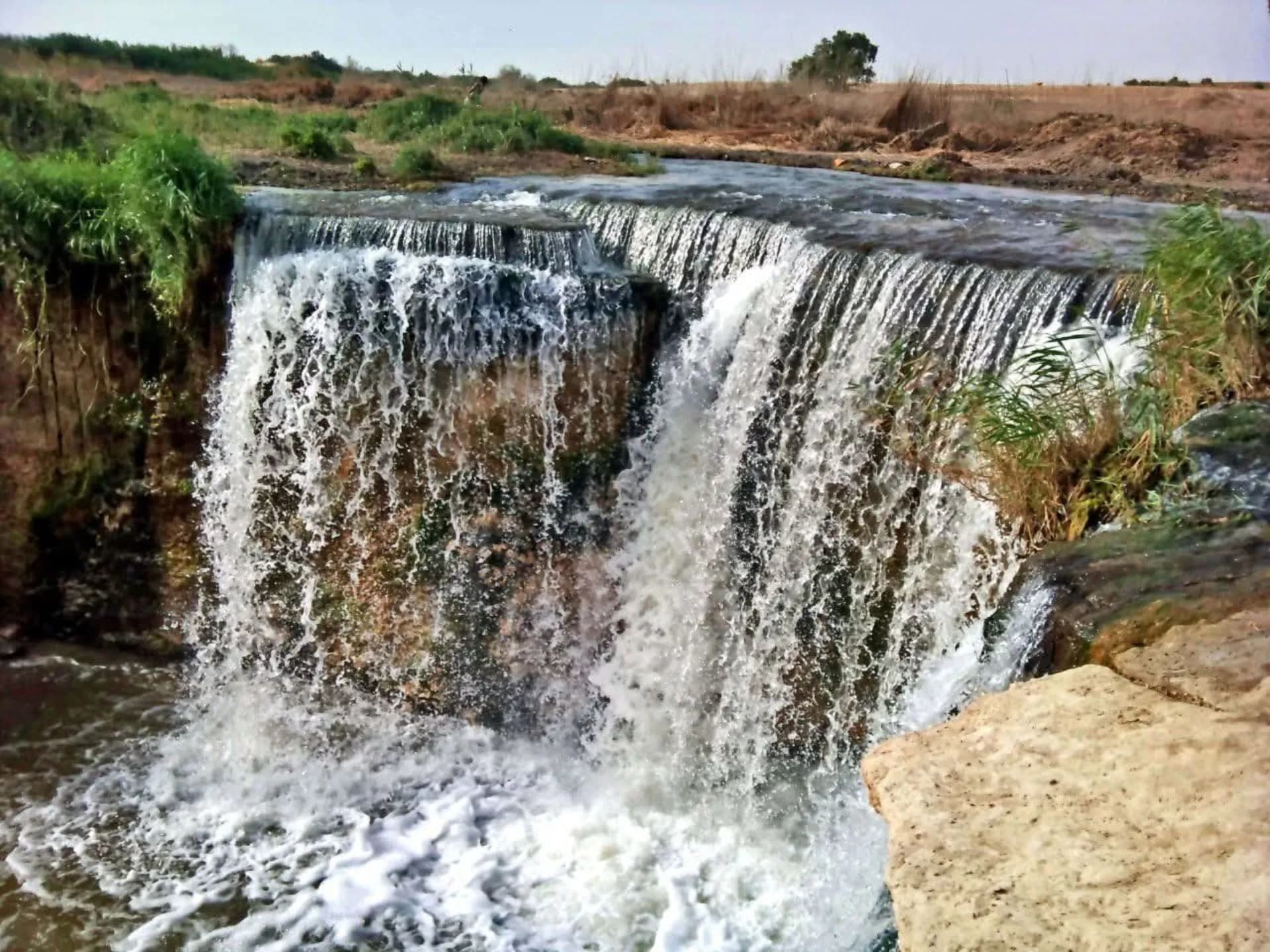
Wadi El Rayan is the headline attraction, and for good reason. It's a protected area built around two artificial lakes connected by Egypt's only waterfalls — not enormous by global standards, but genuinely striking set against the surrounding desert, and the sound of running water in the middle of this terrain feels almost disorienting in the best way. The lakes themselves are popular for swimming, kayaking, and sandboarding on the dunes that border them, and the whole protected area is one of the better spots in the country for watching the sun set over open water with nothing but desert on every other side.
Lake Qarun is one of the oldest natural lakes in the world and sits at the edge of the Fayoum depression. It's a major stopover for migratory birds, which makes it a quiet but genuinely rewarding spot for birdwatching outside of the main summer heat. The lake has a slightly salty, slightly surreal quality — a large open body of water surrounded almost entirely by desert.
Wadi Al-Hitan (Valley of the Whales) is the one that surprises people most. It's a UNESCO World Heritage Site containing some of the best-preserved fossils on Earth of early whales that still had hind legs — physical evidence of the evolutionary transition from land mammal to sea creature, scattered across a desert landscape millions of years before any of this was desert at all. Walking among fossilized skeletons the size of buses, in the middle of what is now bone-dry terrain, is the kind of thing that reframes how you think about deep time.
The petrified forest and surrounding rock formations round out the area's strange geological resume — ancient tree trunks turned to stone over millions of years, scattered across open desert, alongside wind-carved rock formations that look almost deliberately sculpted.
How the Two Days Actually Flow
A short trip like this works best with a loose but intentional structure. Day one is usually built around Wadi El Rayan — arriving by early-to-mid afternoon, enough time to see the waterfalls, get on the water or into the dunes, and watch the sunset from the lakeshore before settling in for the night nearby, often under a genuinely dark sky with the kind of stars that simply don't exist within Cairo's light pollution. Day two shifts toward Lake Qarun and Wadi Al-Hitan, with the fossil valley usually saved for the cooler morning hours before the return drive to Cairo in the afternoon.
It's not a packed, exhausting itinerary. That's rather the point. Fayoum works precisely because it doesn't try to cram in everything — it gives you two unhurried days, a genuine change of scenery, and a trip home short enough that you're not spending your "recovery" time commuting.
Best Time to Go, and What to Bring
Fayoum is workable almost year-round, which is part of what makes it such a reliable weekend option, but the shoulder seasons — autumn through spring, roughly October to April — are genuinely more comfortable. Summer in the depression can get intensely hot during the day, which makes the midday hours at Wadi Al-Hitan particularly rough since there's little shade across the fossil site. Winter mornings, by contrast, can be cool enough that a light jacket is worth packing even though you're only a couple of hours from Cairo's milder microclimate. A few practical essentials go a long way: sturdy shoes for walking across the fossil valley's loose terrain, sun protection regardless of season since the open desert offers no real shade, and a swimsuit if a dip in Wadi El Rayan's lakes is on the agenda. Photographers in particular tend to rate Fayoum highly — the combination of water, dunes, and strange rock formations in a single compact area gives you more visual variety per kilometer than almost anywhere else this close to Cairo.
Who This Trip Actually Suits
This is a strong fit for Cairo residents and long-term expats who need a reset without burning vacation days on travel logistics. It also works well for first-time visitors to Egypt who have a few spare days before or after a longer Nile Valley or desert itinerary and want to add something genuinely different without derailing their main plans. Families tend to do well here too — the pace is gentle, the activities range from passive (just sitting by the water) to active (sandboarding, kayaking), and there's enough variety that a two-day trip doesn't feel like one long drive to look at one thing.
It's a weaker fit for travelers chasing hardcore desert expedition energy — multi-day camel trekking or deep Western Desert camping. Fayoum is calmer than that, closer to a nature retreat with some genuinely strange geology thrown in than a true desert expedition.
The Reset That's Closer Than You Think
Most people planning a trip to "get away from it all" default to distance — a flight, a different country, maximum separation from daily life. Fayoum makes the case that sometimes the better fix is proximity done right: close enough to actually be feasible on a tight schedule, different enough that it genuinely resets your head, and interesting enough — fossils of ancient whales, waterfalls in the middle of the desert, a petrified forest — that it doesn't feel like a consolation prize next to Egypt's bigger, more famous destinations.
FAQ
How far is Fayoum from Cairo?
Fayoum is roughly 90 minutes by car from central Cairo, making it one of the closest genuine nature escapes from the capital.
Is Wadi Al-Hitan (Valley of the Whales) worth visiting?
Absolutely. It's a UNESCO World Heritage Site with some of the best-preserved early whale fossils on Earth. Walking among bus-sized fossilized skeletons in the middle of the desert is genuinely unforgettable.
Is this trip suitable for families with children?
Yes. The pace is gentle and activities range from passive (sitting by the water) to active (sandboarding, kayaking). There's enough variety that kids stay engaged without anyone feeling exhausted.