Jara Cave: Egypt's Hidden Prehistoric Rock Art Gallery
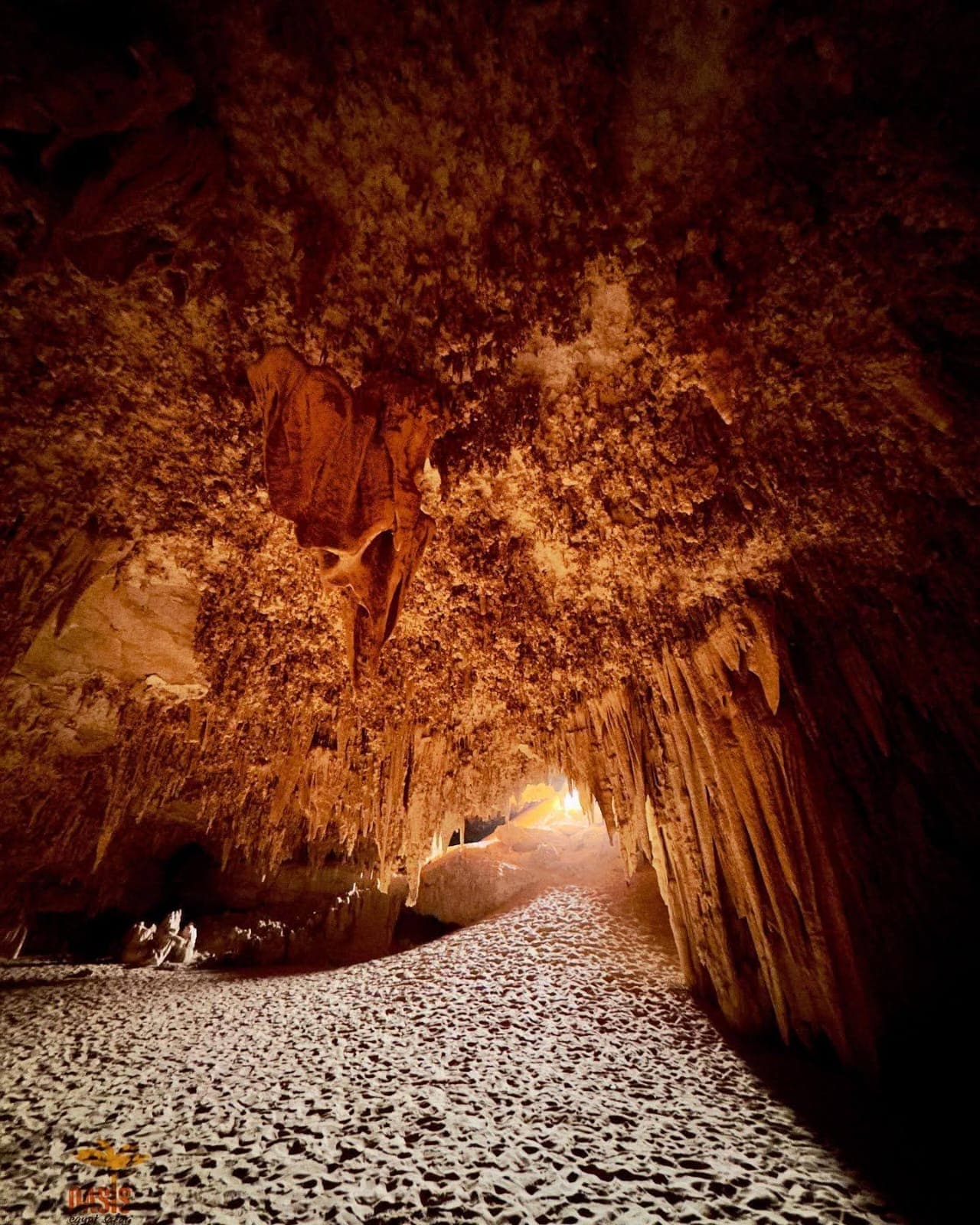
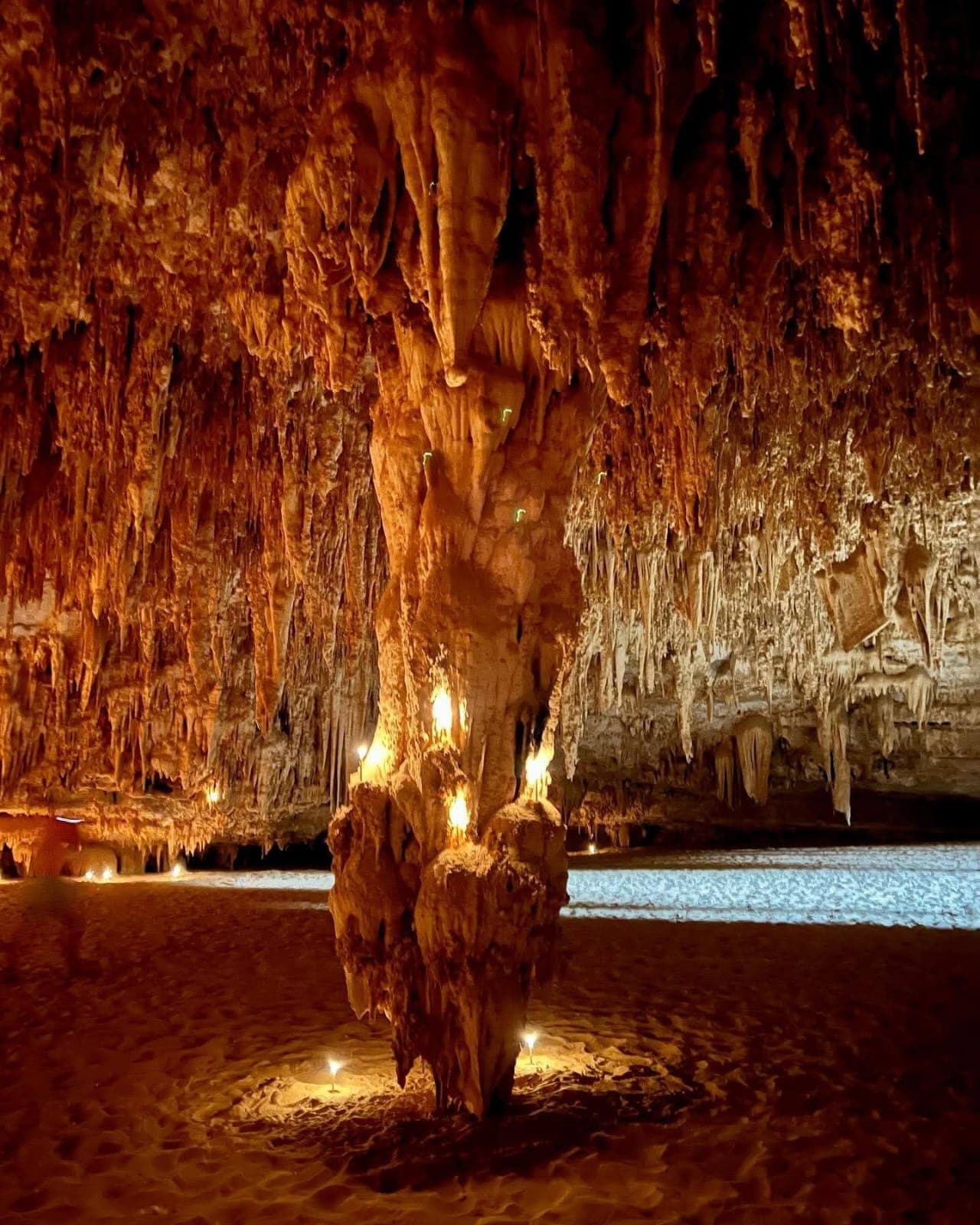
Jara Cave (also known as Djara Cave) is one of Egypt's most extraordinary and least-visited archaeological sites. Located deep in the Western Desert, this prehistoric cave contains Neolithic rock art dating back to 7700–5300 BC — images painted when the Sahara was a green, inhabited landscape with rivers, lakes, and abundant wildlife.
The Green Sahara
To understand why Jara Cave exists where it does, you need to understand the Sahara's remarkable climatic history. Between approximately 11,000 and 5,000 years ago, the Sahara was dramatically wetter than today — a period known as the African Humid Period or "Green Sahara." Monsoon rains reached much further north, filling rivers, creating lakes, and supporting grassland savannas where today there is only desert.
The people who painted Jara Cave lived in this green Sahara. They were hunter-gatherers and early pastoralists who herded cattle, hunted gazelle and buffalo, and lived a life that would be utterly unrecognizable in today's desert environment. Their art is a window into a world that vanished 5,000 years ago.
What You'll See
The cave contains hundreds of paintings and engravings depicting:
- Human figures — hunters with bows and arrows, people in ceremonial poses, hand stencils
- Animals — cattle, gazelle, ibex, crocodiles, fish, hippopotamuses (animals that no longer exist in the Western Desert)
- Hunting scenes — dynamic compositions showing the hunt in action
- Abstract symbols — geometric patterns whose meaning is debated by scholars
The art varies in age — some paintings are superimposed on older ones, showing the cave was used as a canvas across thousands of years. Ochre (red and yellow iron oxide) and white chalk were the primary pigments used.
How to Get There
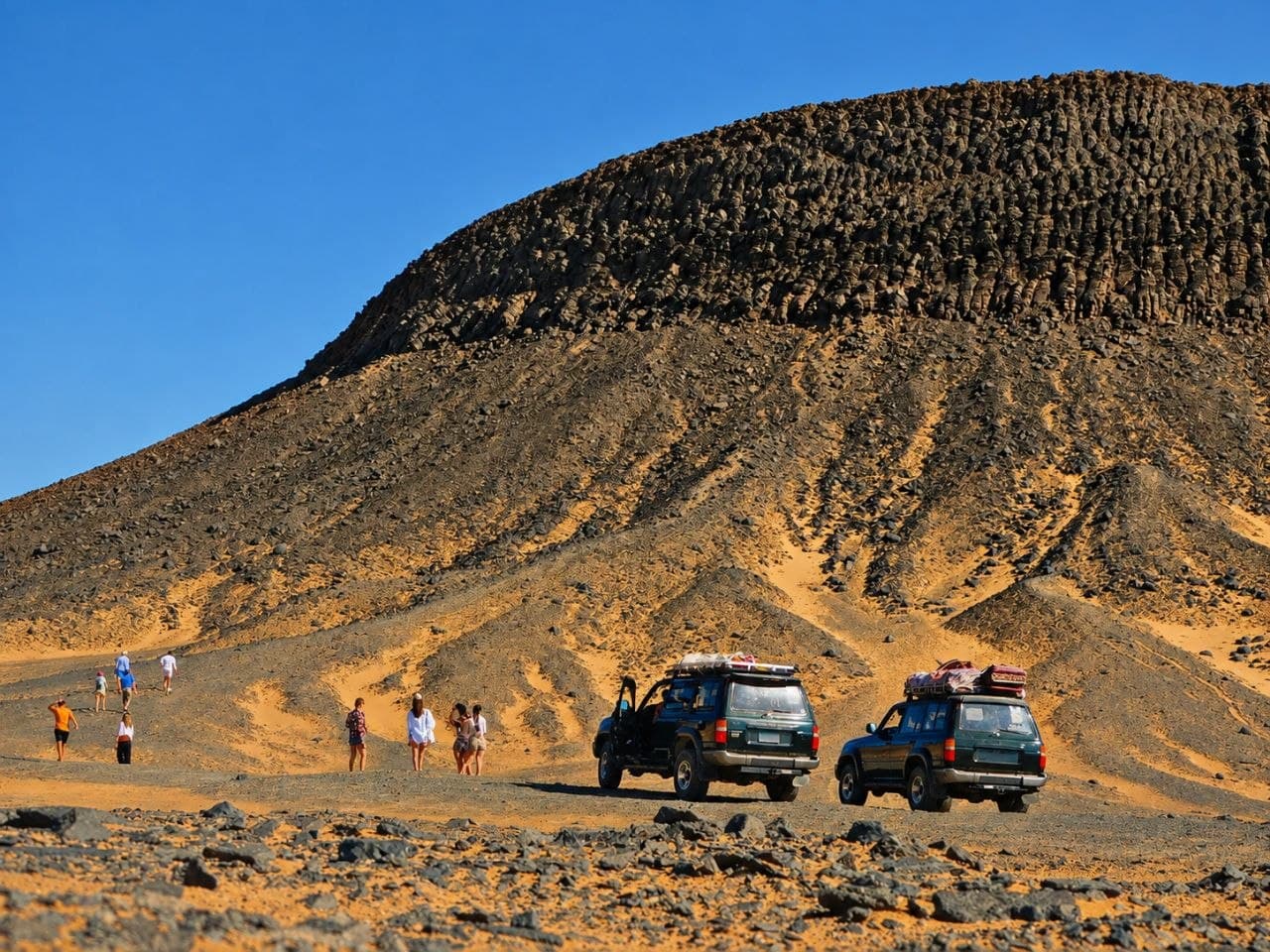
Jara Cave is not accessible independently — it requires a licensed desert guide with a 4x4 vehicle and knowledge of the desert navigation required to reach the site. The cave is typically visited as part of a longer multi-day desert tour, most commonly as a full-day excursion from a basecamp near Bahariya Oasis, or incorporated into a 3+ day itinerary.
The journey involves approximately 90 minutes of off-road driving from the main desert highway. The landscape en route is itself remarkable — vast, silent, and utterly empty of any human presence.
Conservation and Responsible Visiting
Jara Cave is a fragile, irreplaceable site. Visitors must:
- Never touch the rock art (skin oils cause deterioration)
- Not use flash photography (the light can damage pigments over time)
- Not attempt to copy or trace the art
- Take nothing — not a stone, not a pottery fragment
- Stay within designated areas near the art
Bedouin Trails takes conservation seriously. Our guides brief all visitors before entering the cave and ensure these guidelines are followed. The site's survival for future generations depends on responsible tourism today.
Combining Jara Cave with the White Desert
Most visitors to Jara Cave combine it with a White Desert safari for an extraordinary contrast: the geologically ancient white formations and the historically ancient cave art, both set within the same vast desert landscape. Our multi-day desert expeditions can incorporate both sites within a 3–5 day itinerary.
Preguntas Frecuentes
Is Jara Cave open to the public?
Yes, but visits require a licensed desert guide and 4x4 transport. The cave cannot be visited independently. Bedouin Trails includes Jara Cave on select multi-day itineraries. The remote location means visitor numbers remain low, preserving the site's integrity.