Bedouin Culture in Egypt: Traditions, Hospitality, and Desert Life
When you travel with Bedouin Trails, you're not just booking a tour — you're stepping into a living culture that has thrived in Egypt's desert for centuries. The Bedouin people of Egypt's Western Desert are the custodians of this extraordinary landscape, and their traditions of hospitality, navigation, and ecological knowledge are central to the experience.
Who Are the Bedouin?
The term "Bedouin" (from the Arabic word "Badu," meaning "desert dweller") refers to nomadic and semi-nomadic Arab peoples who have inhabited the deserts of North Africa and the Middle East for millennia. Egypt's Western Desert Bedouin communities are based primarily around Bahariya Oasis, from which they guide desert expeditions into the surrounding wilderness.
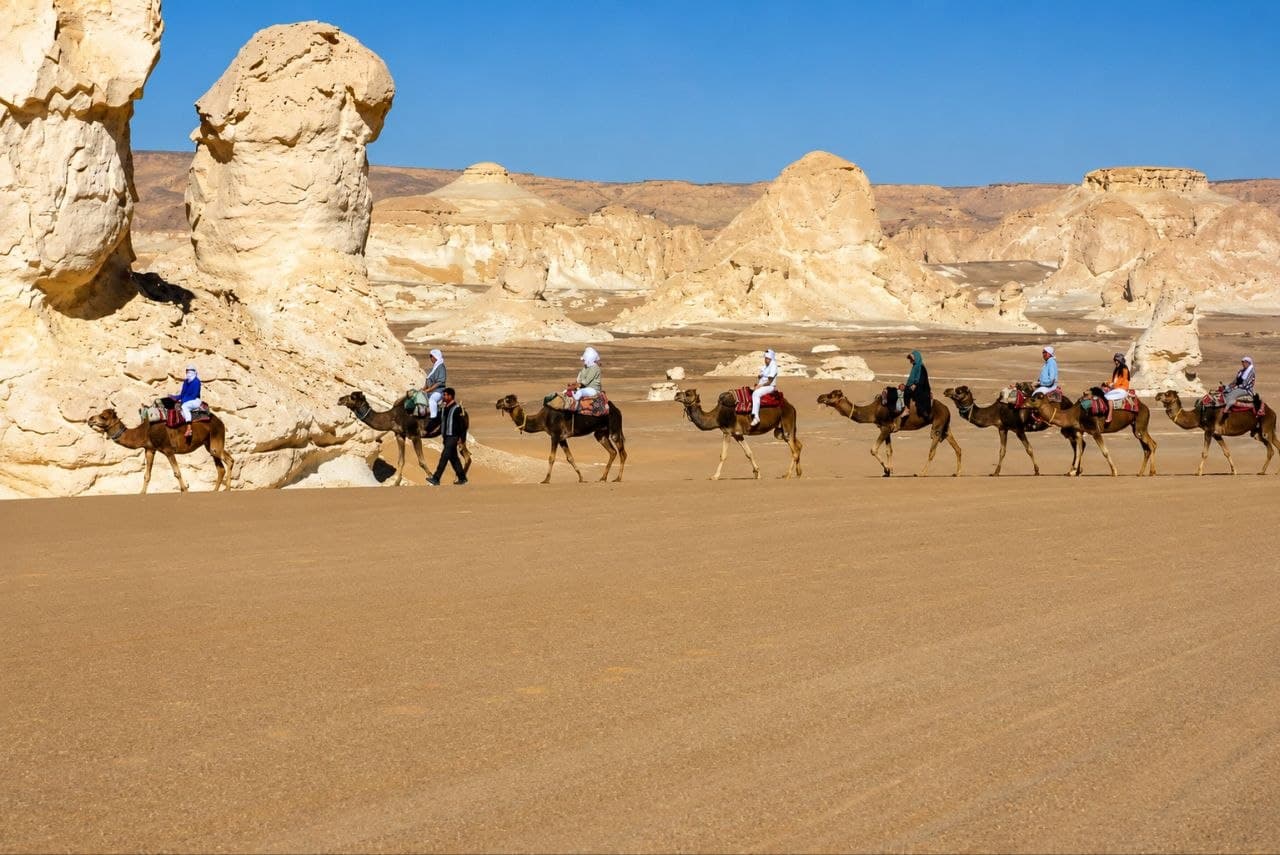
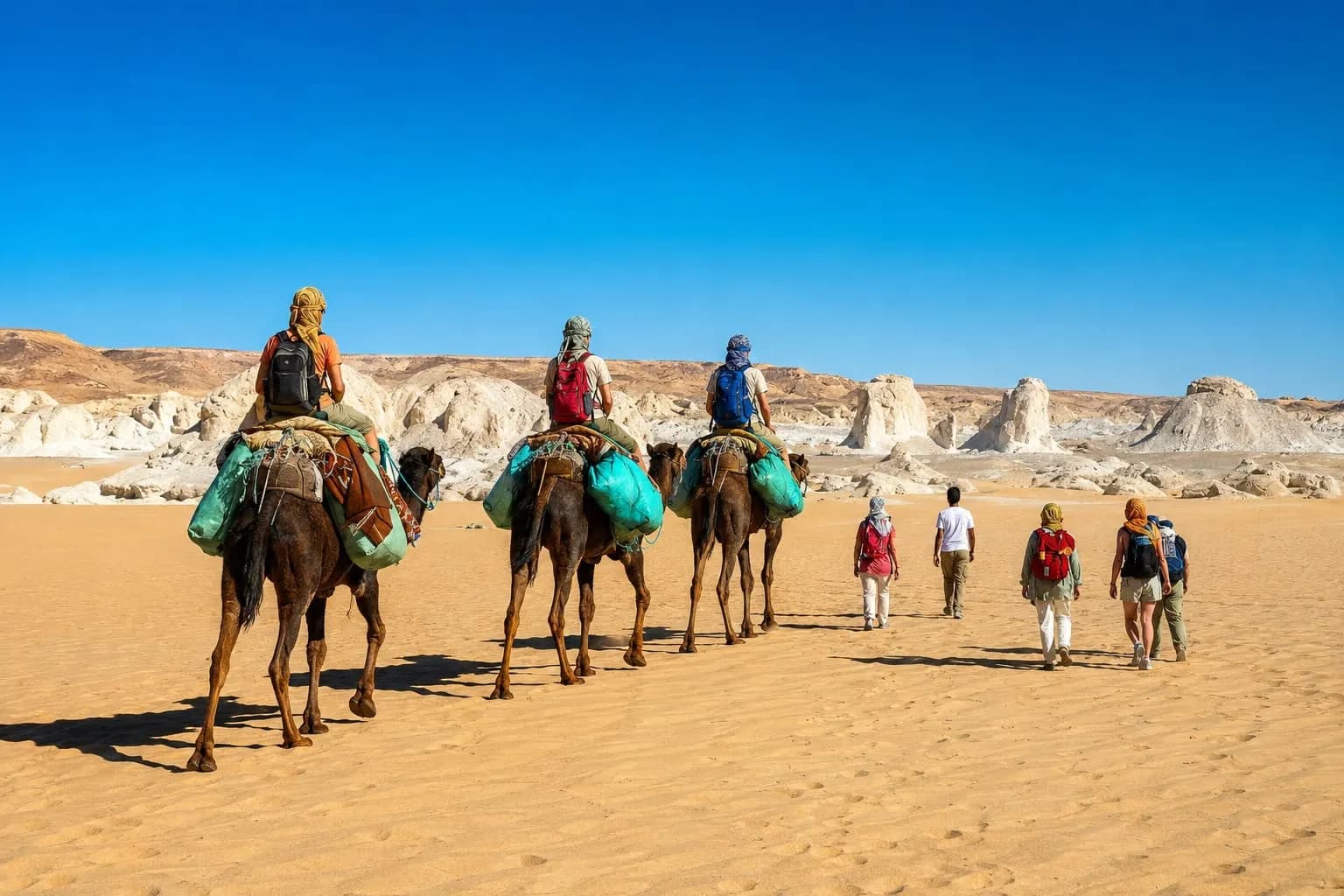
Historically, Bedouin tribes were the masters of long-distance desert travel, maintaining trade routes that connected sub-Saharan Africa with the Mediterranean world. Their knowledge of water sources, safe campsites, and desert navigation was invaluable — and remains so today.
The Desert Code of Hospitality
At the heart of Bedouin culture is karam — generosity and hospitality. In the desert, where survival depends on mutual aid, welcoming a stranger is not just courtesy but a moral obligation. Guests are never turned away, and food is always shared.
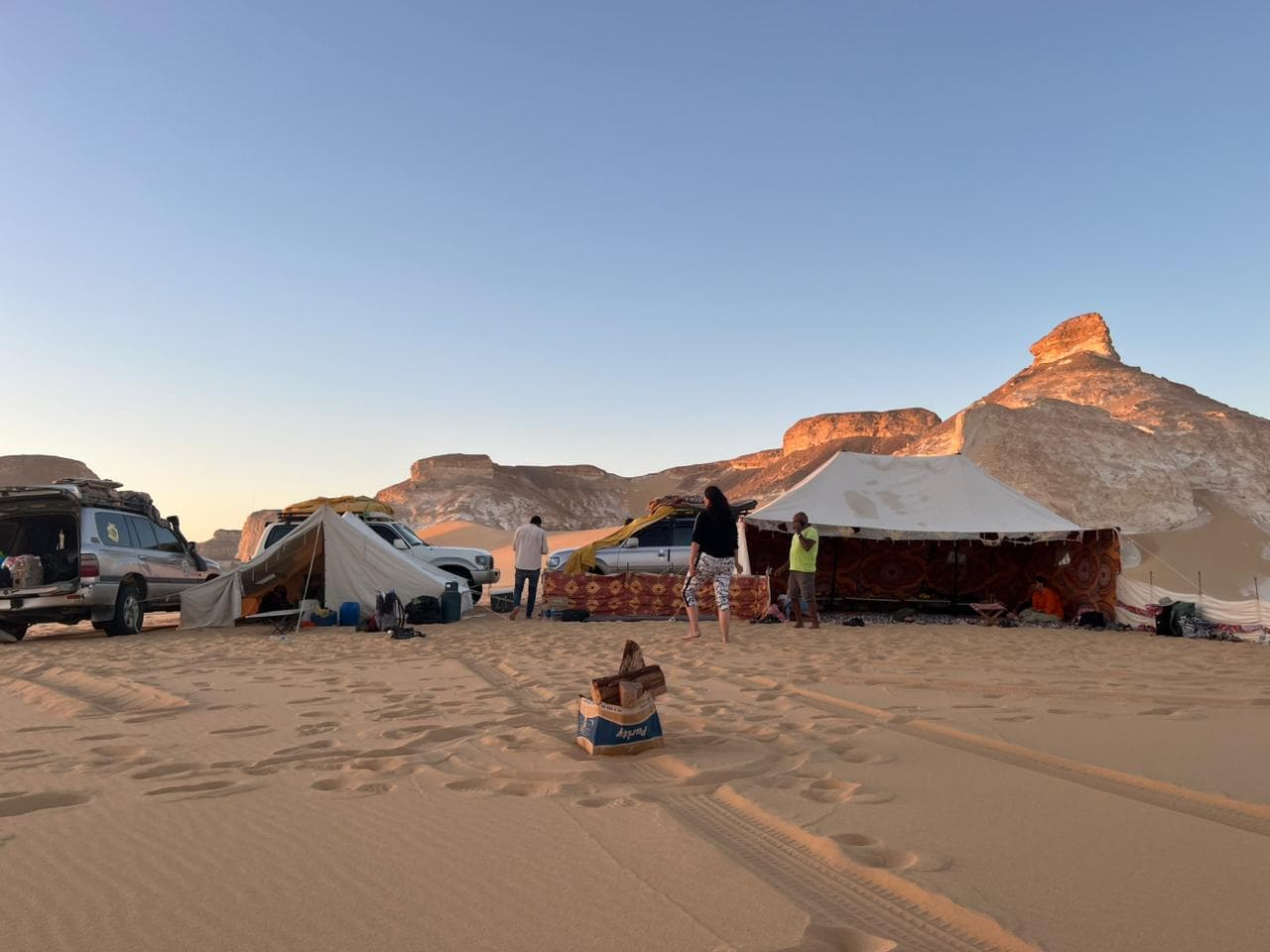
On a Bedouin Trails tour, you'll experience this hospitality firsthand. Desert camp meals — often a spread of fresh bread baked in the sand, grilled meats, salads, and sweet tea — are not just sustenance but a ritual of connection. Sharing tea around the campfire, listening to stories under the stars, is the defining experience of a desert safari.
Tea Culture
Bedouin tea is its own ceremony. Strong black tea, heavily sweetened with sugar, is poured from a height to create foam and then sipped from small glasses. Refusing a cup of tea is considered impolite — the ritual is as much about social bonding as it is about the drink itself. A second cup is customary; a third signals you are full and satisfied.
Navigating by Stars
Before GPS, Bedouin guides navigated the featureless desert landscape using the stars, wind direction, and subtle variations in sand dunes. This knowledge, passed down through generations, remains part of Bedouin identity even as modern technology has supplemented it. On clear desert nights, your guide may point out the stars and constellations used for desert navigation — a humbling reminder of human ingenuity in extreme environments.
Traditional Crafts
Bedouin craft traditions include weaving (rugs and clothing), embroidery, and jewelry-making using semi-precious stones. When visiting markets in Bahariya Oasis, look for handmade items produced by local artisans. Purchasing these crafts directly supports Bedouin livelihoods and helps preserve traditional skills.
Responsible Tourism and Bedouin Communities
Bedouin Trails is founded and operated by Bedouin guides from the Western Desert. Every tour directly supports local families and helps preserve both the natural landscape and the cultural heritage of the region. When you choose community-based tourism, you become part of a cycle of cultural preservation rather than simply extracting an experience.
常见问题
Do Bedouin guides speak English?
Yes. All Bedouin Trails guides are fluent in English and can communicate clearly throughout your tour. Many also speak French, German, or Italian. Language is never a barrier to a rich cultural experience.