Why Winter Is the Best Time to Visit Egypt's White Desert
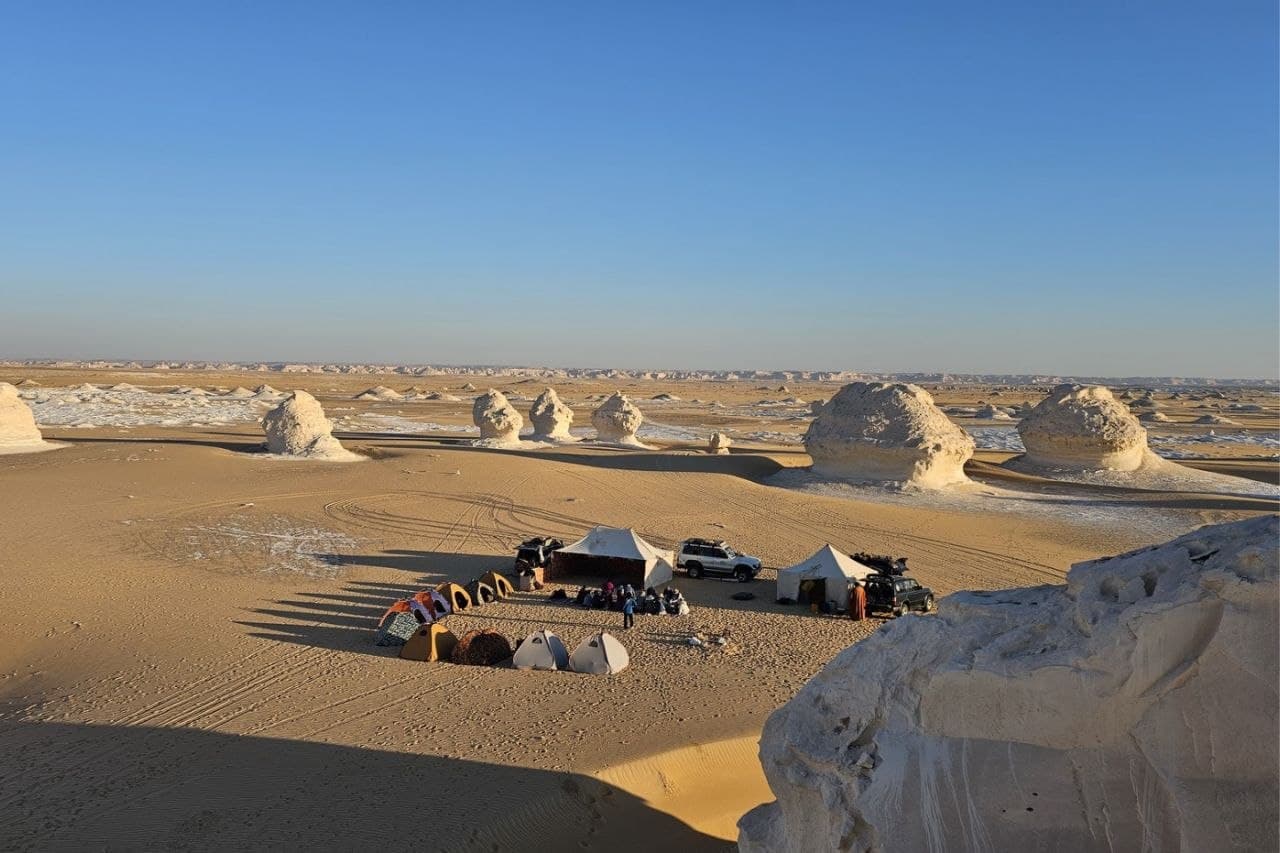
If you're planning a trip to Egypt's White Desert, the single most important decision you can make is when to go. And if you have any flexibility, the answer is clear: visit in winter.
The Perfect Climate Window
Egypt's Western Desert experiences extreme temperature variation across the year. In summer (June–August), midday temperatures can reach 45°C or higher — conditions that make outdoor exploration genuinely dangerous, requiring very early starts and long midday shelter. In winter (October–March), daytime temperatures settle into the ideal 15–25°C range — warm enough for light clothing during the day, cool enough for comfortable hiking and exploration.
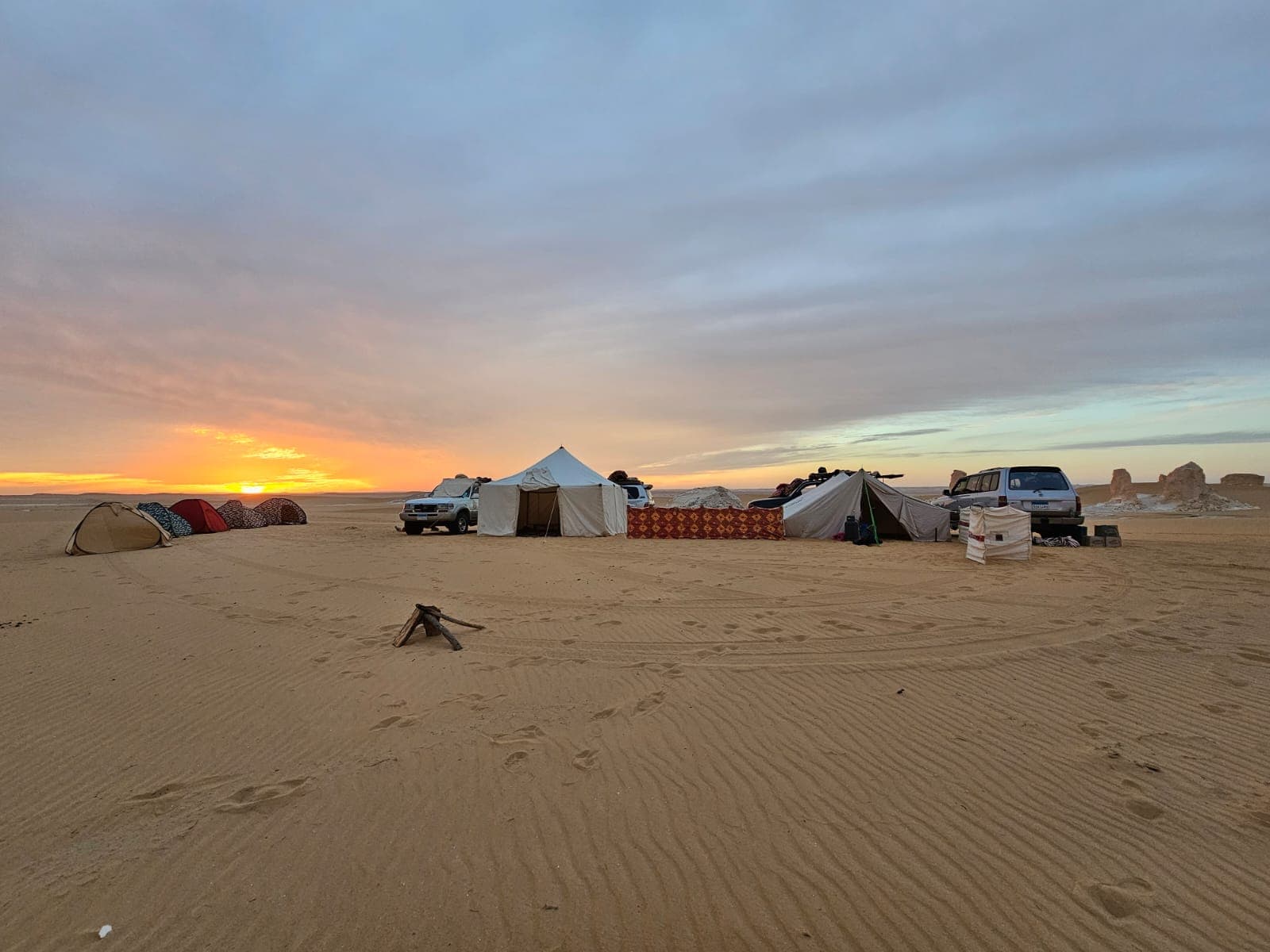
Nights are cold — dropping to 5–10°C in December and January. But this is part of what makes winter desert camping magical: wrapped in a sleeping bag under a brilliant, frost-clear sky, with the silence of the desert all around you, the cold feels like an invitation to feel truly alive.
Unbeatable Stargazing Conditions
Winter brings the clearest skies of the year to Egypt's desert. The combination of cold, dry air (which holds less water vapor and therefore less atmospheric haze), new moon periods, and minimal humidity creates astronomical conditions that rival some of the world's dedicated dark-sky reserves.
In winter, the constellations of Orion, Taurus, Gemini, and Canis Major dominate the sky — along with the Milky Way stretching in a brilliant arc from horizon to horizon. Planet conjunctions and meteor showers (the Geminids in December are spectacular from the desert) add to the celestial spectacle.
Comfortable Exploration
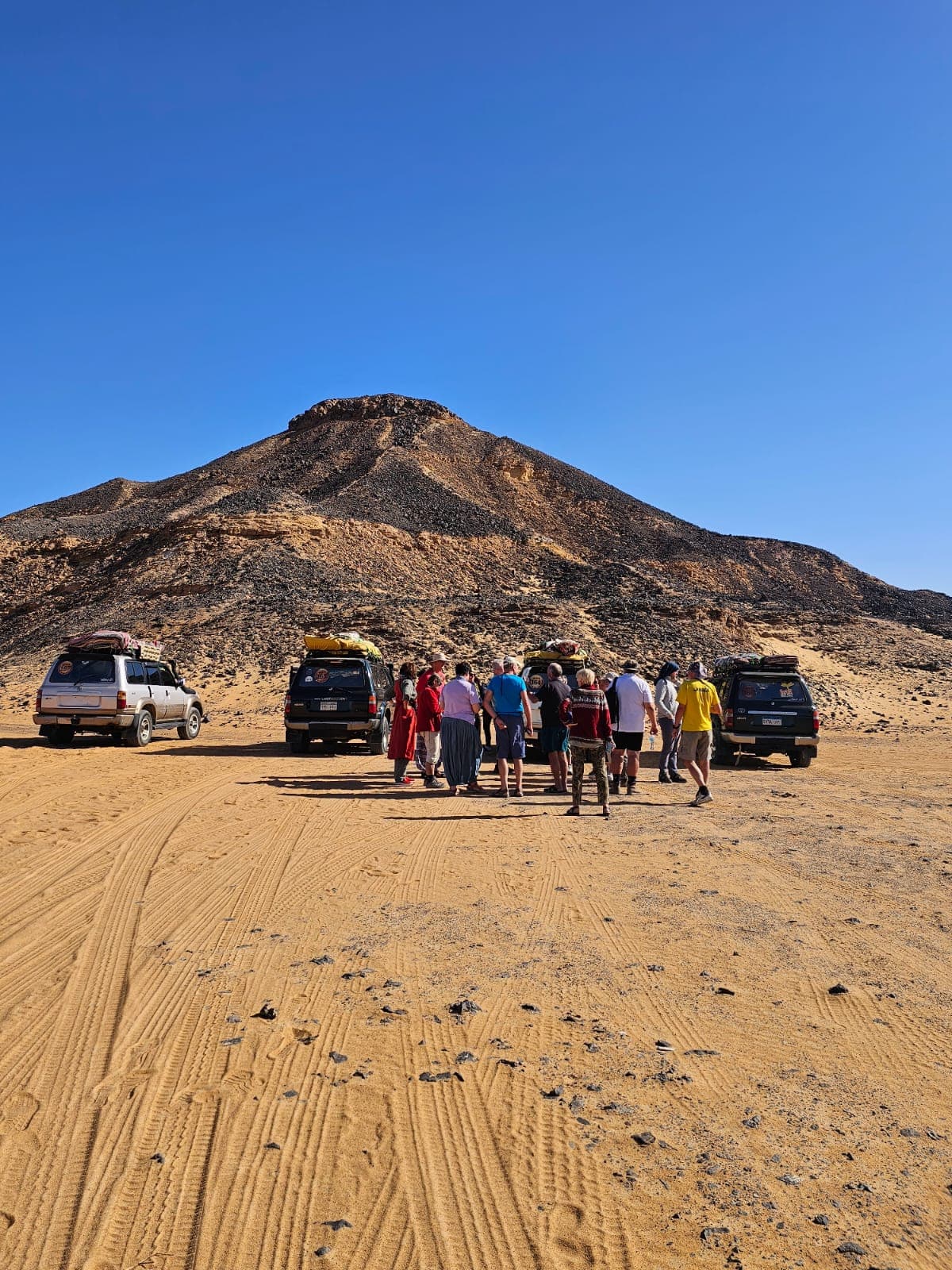
Summer in the White Desert means limiting outdoor time to early morning and late afternoon. In winter, you can explore freely throughout the day — walking between formations, climbing dunes, and taking your time composing photographs without the threat of heat exhaustion.
This extended exploration time matters. The White Desert reveals itself slowly. The more time you spend moving through the formations, discovering hidden valleys, and watching the light shift across the chalk surfaces, the more extraordinary the experience becomes.
Wildlife Activity
Winter is also the most active season for the desert's wildlife. The fennec foxes, Dorcas gazelles, and desert hares that shelter through summer heat are more active and visible during the cooler months. Bird migration peaks in October–November and March–April, bringing additional species through the desert.
What to Bring for Winter Desert Camping
- Warm sleeping bag (rated to at least -5°C)
- Thermal base layers for night
- Fleece mid-layer and windproof outer shell
- Hat and gloves for evening and early morning
- Sunscreen still essential for daytime
- Layered clothing you can add and remove as temperatures change through the day
The Crowds Question
Winter — particularly December through February — is peak season for Egypt tourism overall. The White Desert does see more visitors in these months, but "crowded" is a relative term in a landscape this vast. Your guide will know how to position your camp away from other groups, preserving the sense of solitude that makes the desert experience so powerful.
Domande Frequenti
Can you visit the White Desert in summer?
Yes, but with important caveats. Midday summer temperatures can reach 45°C or higher. All activities must be completed by 10am or after 5pm, and midday is spent in the shade. Experienced Bedouin guides know how to manage summer desert conditions safely. That said, winter is strongly recommended for the best experience.