Jara Cave (Djara Cave) in Egypt: The Hidden Underground Wonder of the Western Desert (2026)
Hidden beneath a limestone plateau between Asyut and the White Desert, Jara Cave in Egypt (sometimes called Djara Cave) is one of the most extraordinary and least-known wonders in Egypt's Western Desert. It is a vast underground chamber filled with delicate stalactites, ancient rock art carved 8,000 years ago, and an atmosphere unlike anything else in Egypt.
Few travellers have ever heard of Jara Cave in Egypt. Fewer still visit. But for travellers willing to add a detour to a standard White Desert safari, it is one of the most rewarding additions to any Egypt desert tour. This guide tells you what is there, how to visit it, and how to combine Jara Cave in Egypt with a broader Egyptian Western Desert trip.
What Is Jara Cave in Egypt?
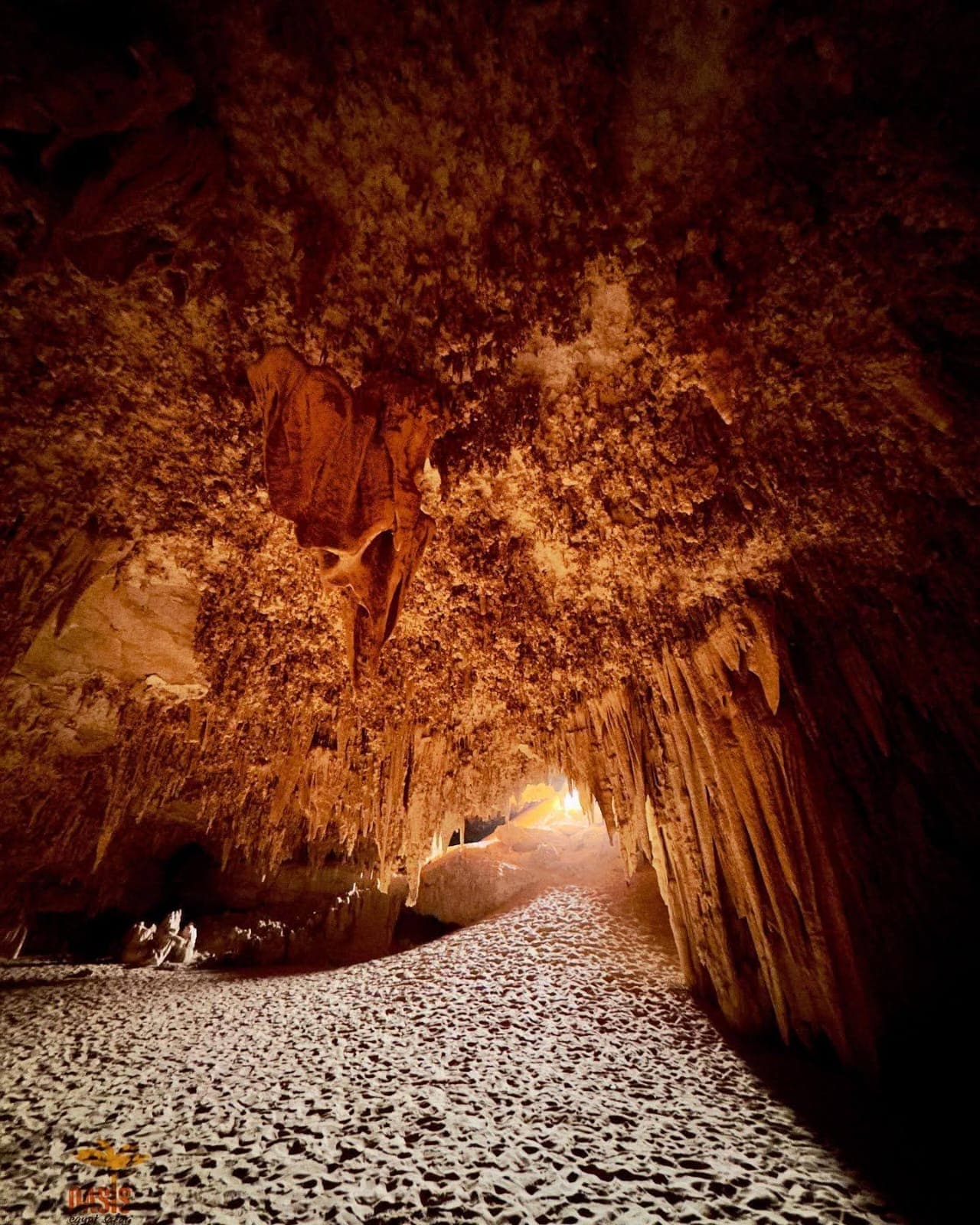
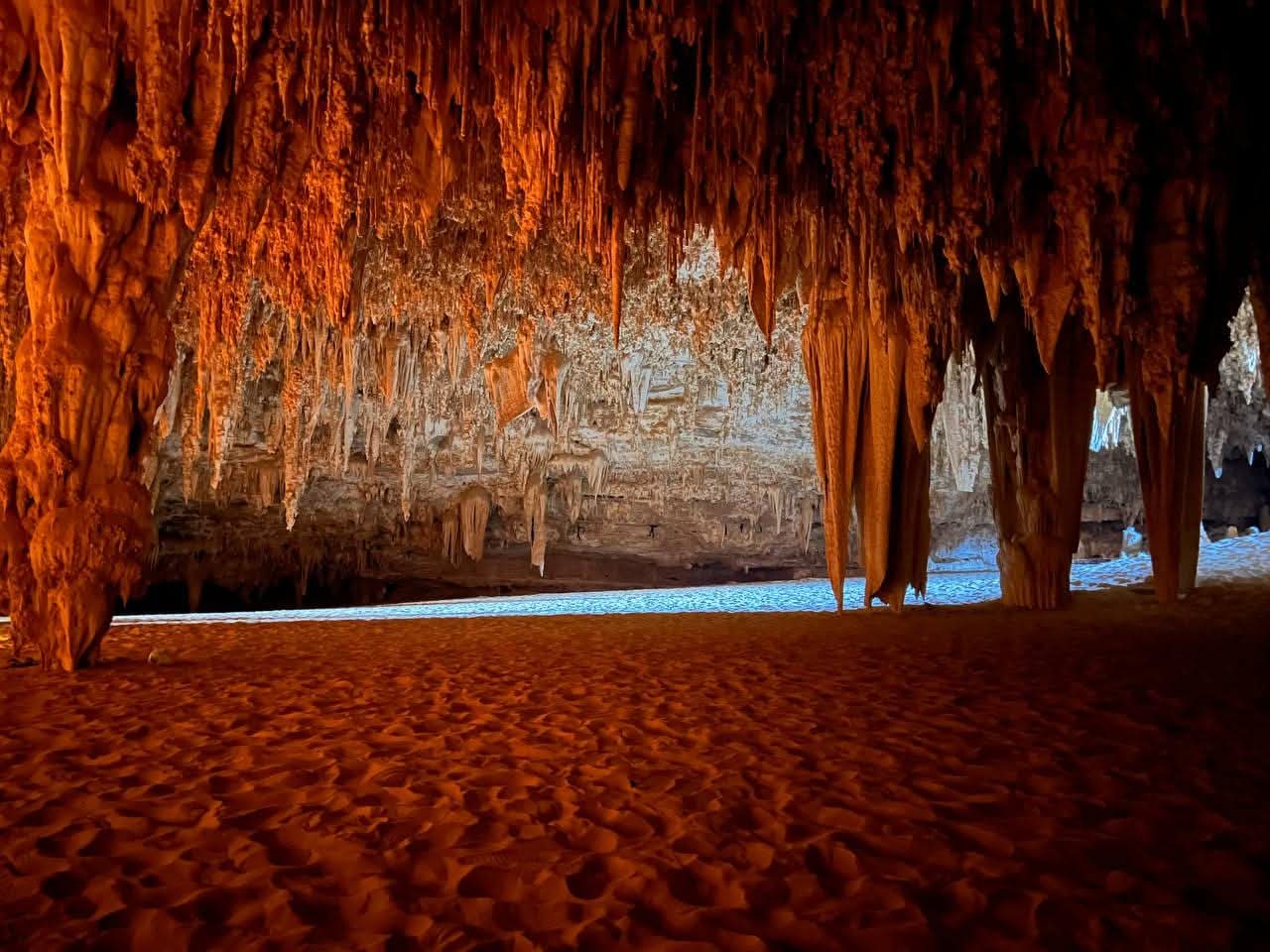
Jara Cave in Egypt — or Djara Cave — is a karst limestone cave located in the Western Desert approximately 200 km west of Asyut, between the Farafra and Bahariya oases. It was carved by groundwater over millions of years and contains a single vast chamber roughly 50 metres long, 15 metres wide, and 5 metres high.
What makes Jara Cave in Egypt unique is the combination of three things:
- Stalactites and stalagmites — extensive calcium carbonate formations, some thousands of years in the making.
- Ancient rock art — carved into the cave walls, depicting hunting scenes, animals (including extinct species), and human figures dating to approximately 6,000–8,000 BC.
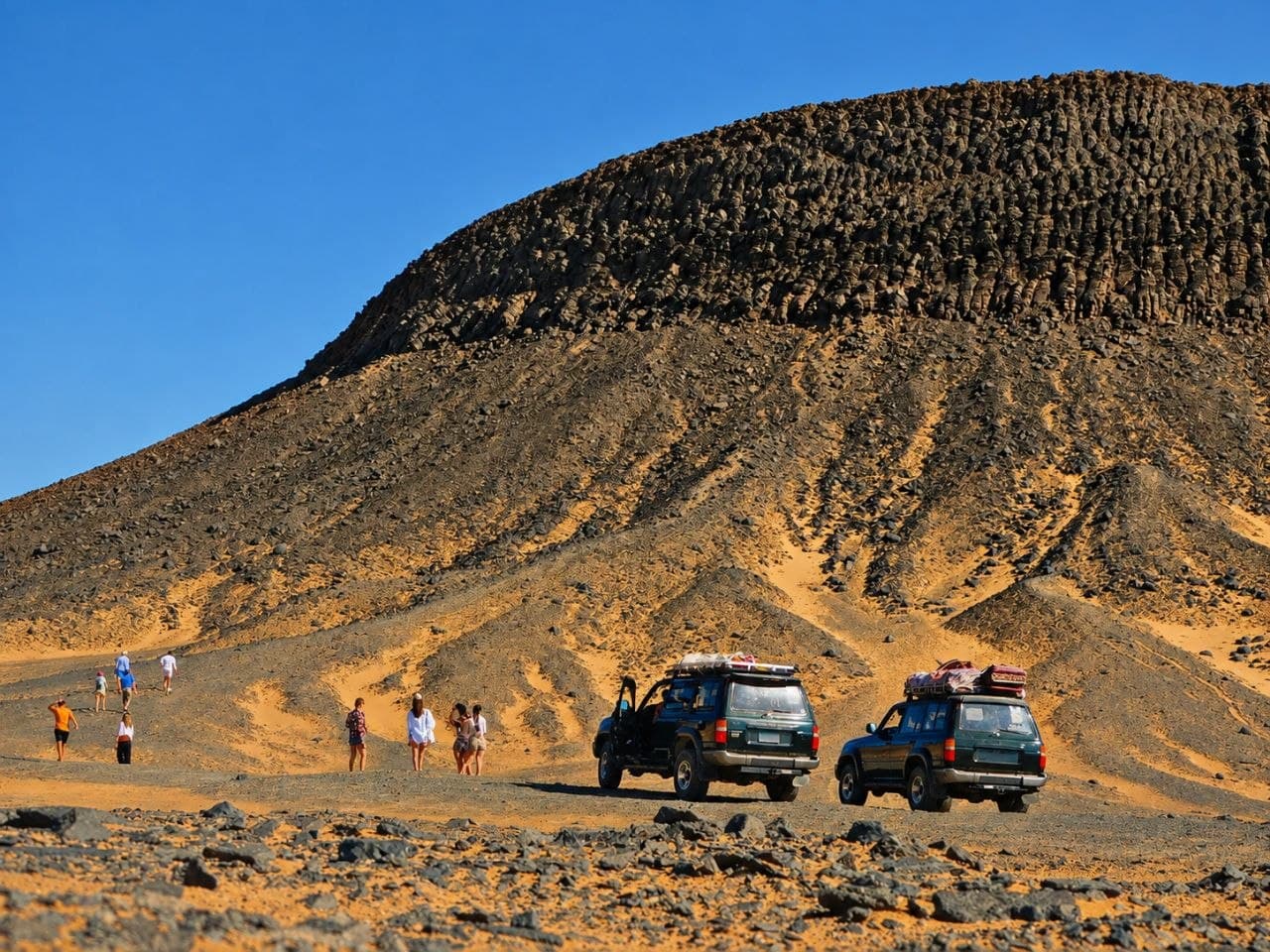
- Complete seclusion — no roads, no facilities, no other tourists. Reaching Jara Cave in Egypt requires off-road 4x4 travel from the nearest settlement.
Bedouin Trails tip: Jara Cave in Egypt is genuinely one of the most underappreciated stops in the Egyptian Western Desert. Visit it as a detour from a 3+ day White Desert safari. Few Egypt safari tour operators include it; we do as part of our specialist programmes.
History of the Cave
Jara Cave in Egypt was discovered in the modern era in 1873 by German explorer Gerhard Rohlfs, who passed through during his Western Desert expedition. The rock art inside dates to a period when the Western Desert was significantly wetter and supported game animals — giraffes, gazelles — no longer found in the region.
The cave was most likely used by prehistoric peoples as shelter, a ritual site, and a waystation on ancient trade routes. The rock art represents one of the most important collections of prehistoric rock art in Egypt outside the Nile Valley.
Modern archaeological work continues, and the cave remains under partial protection. Visiting requires a knowledgeable guide — both for navigation and out of respect for the fragility of the formations and art.
What to See Inside Jara Cave
The Main Chamber
Enter through a small opening that gives way to the main chamber. Bring a powerful torch — there is no lighting inside. The contrast between the desert surface and the cool, dark cave is striking.
Stalactite Formations
The ceiling and walls are covered with slender stalactites, some hanging for several metres. Touching or breaking them is prohibited and causes irreversible damage to a process that took thousands of years.
Rock Art Panels
Several walls contain prehistoric engravings — most visible on cave walls near the entrance. Bring a camera with good low-light capability. A tripod is useful but optional.
Acoustics and Atmosphere
The cave's natural acoustics are remarkable. Sounds reverberate softly. Some travellers spend time in silence inside, which becomes a meditative experience in itself.
How to Visit Jara Cave in Egypt
Jara Cave in Egypt is not on any standard tourist route. To visit, you need:
- A guided 4x4 trip — there are no signs and no official access. An Egypt desert tour with Bedouin Trails that includes Jara as a specialist add-on is the most practical way to visit.
- At least one extra day on a White Desert safari itinerary — the Jara detour is not on the direct Cairo–White Desert route.
- A permit — sometimes informal arrangements are needed. We handle this for our guests.
Most travellers visit Jara Cave in Egypt as part of an extended 3–4 day Egyptian Western Desert trip. From the White Desert area, it is approximately 3–4 hours of off-road driving.
What to Bring
- A powerful torch (200+ lumens preferred) — the cave is completely dark
- A camera with good low-light capability — a tripod is useful but optional
- Long trousers and closed shoes — cave floor is uneven
- Water — desert temperatures during the drive
- Respect — do not touch the formations or the rock art
Combining Jara Cave with Other Egypt Safari Tours
Most Jara Cave visits are part of broader Egyptian Western Desert trips:
- Jara + 3-day White Desert safari: Add one extra day for the cave detour. See our 3-day White Desert + Jara Cave programme.
- Jara + multi-day desert journey: For serious explorers, combine the cave with a desert walking journey across the surrounding limestone plateau.
- Jara + Egypt camel trek: Rare but possible — the cave area can be approached by camel for a deeper experience.
- Jara + photography trip: An Egypt desert photography focus including underground cave photography.
Frequently Asked Questions
Is Jara Cave in Egypt open to tourists?
Yes, but informally. There is no ticket office or visitor centre. A guided Egypt desert tour that includes Jara is the only practical way to visit. Bedouin Trails arranges access.
Is it safe to enter the cave?
Yes — the cave is structurally stable and straightforward to walk through. Wear closed shoes and bring adequate lighting. Do not touch the formations.
Can I see the rock art clearly?
Some panels are clear; others have eroded. A guide who knows the cave will point out the best-preserved art. Photography requires good low-light equipment.
How much does adding the Jara Cave stop cost on a White Desert safari?
Typically one extra day in time and $150–250 per person in additional costs (for extra vehicle time, guide, and meals).
Are there bats or other wildlife in the cave?
Very little — Jara is dry and lacks the food sources that attract bat colonies. You will find the cave largely uninhabited.
Can children visit Jara Cave in Egypt?
Yes — the cave is safe for children aged 7+. Younger children may find the darkness unsettling. The walking inside is short and easy.
Closing Thoughts
Jara Cave in Egypt is the kind of destination travellers don't realise they want to see until they are inside it. The combination of geological wonder (stalactites), human history (rock art), and complete seclusion — no other tourists — makes it one of the most unforgettable possible additions to any Egyptian Western Desert experience.
If you're booking a 3+ day Egypt desert tour and want something genuinely off the beaten track, ask about adding Jara Cave in Egypt. You won't regret it.